How to Identify and Buy Intact Wiring Connectors and Relays
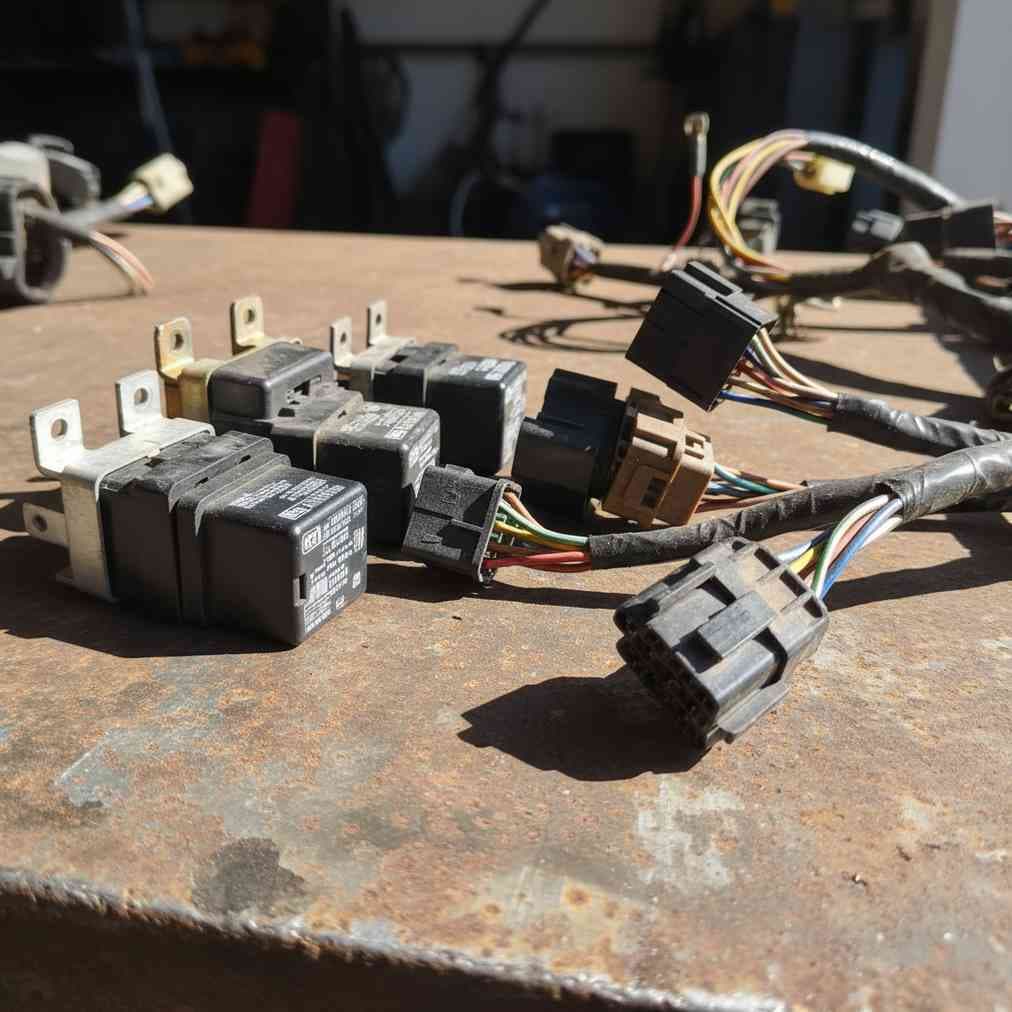
The Smart Way to Source Automotive Electrical Parts When your vehicle's electrical system fails, finding the right wiring connectors and relays can be both expensive and challenging. For savvy car owners and professional mechanics, salvage yards near me offer an excellent alternative to costly dealership parts. By learning how to properly identify and purchase intact [...]
Article image
The Smart Way to Source Automotive Electrical Parts
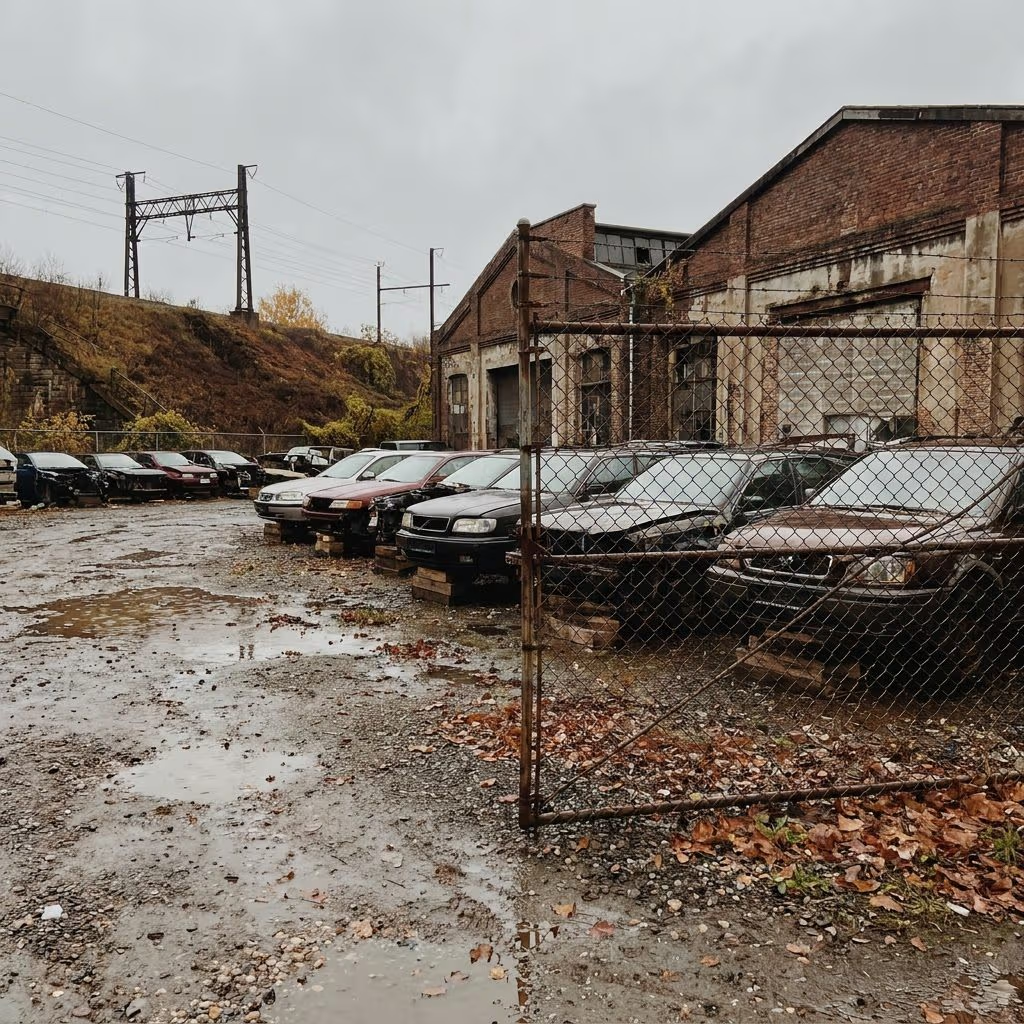
When your vehicle's electrical system fails, finding the right wiring connectors and relays can be both expensive and challenging. For savvy car owners and professional mechanics, salvage yards near me offer an excellent alternative to costly dealership parts. By learning how to properly identify and purchase intact electrical parts from auto recyclers, you can save significant money while maintaining your vehicle's reliability.
This comprehensive guide will walk you through the essential steps to successfully source high-quality used wiring connectors and relays, ensuring you get dependable parts at fraction of the cost of new ones.
Why Choose Used Wiring Connectors and Relays
Purchasing used automotive electrical parts from reputable salvage yards offers numerous advantages that make it an attractive option for both DIY enthusiasts and professional repair shops.
Cost-Effectiveness and Availability
Significant savings: Used parts typically cost 50-70% less than new OEM parts
Access to obsolete parts: Find Original Equipment Manufacturer (OEM) parts no longer in production
Immediate availability: Most salvaged parts are ready for pickup, eliminating shipping delays
Environmental benefits: Reduces manufacturing demand and keeps electronic waste out of landfills
Similar to other OEM car parts from junkyards, electrical connectors and relays maintain their original specifications when properly salvaged, often providing reliable performance equal to new parts.
Complete Inspection Guide for Wiring Connectors
Properly evaluating wiring connectors requires a systematic approach to ensure you're purchasing parts that will provide reliable service. Here's your comprehensive inspection checklist:
Inspection Area
What to Look For
Action Required
Housing/Body
Cracks, burns, melting, deformation
Verify plastic housing integrity and locking tabs
Wiring Insulation
Frayed, cut, pinched, or chafed wires
Check wire condition near connector entry points
Terminals/Pins
Corrosion, discoloration, bent or loose pins
Test pin fit and electrical continuity
Seals/Grommets
Missing, torn, or improperly seated rubber seals
Ensure moisture protection is intact
Compatibility
Pin count, wire colors, connector shape
Match specifications to your vehicle's requirements
Critical Visual Inspection Points
When examining wiring connectors, focus on these essential areas that commonly indicate potential failure:
Terminal corrosion: Look for rust, green oxidation, or white powdery deposits on metal pins
Heat damage: Check for discolored plastic, melted areas, or burn marks indicating overheating
Physical integrity: Ensure locking tabs are present and functional for secure connections
Wire attachment: Verify wires aren't cut too close to the connector body
Professional Relay Testing and Evaluation
Automotive relays are critical switching devices that control various electrical systems. Understanding how to properly test and evaluate these parts ensures you purchase reliable units that won't fail prematurely.
Check continuity between pins 30 and 87a (unenergized)
Low resistance (closed circuit)
Switching Function
Apply 12V to coil, test continuity 30 to 87
Should close when energized
Mechanical Operation
Listen for audible “click” when energizing coil
Clear clicking sound indicates proper operation
“Understanding relay terminal identification and proper testing procedures is crucial for successful salvage yard purchases. A simple multimeter test can save you from installing a defective relay that could cause system failure.”
Step-by-Step Buyer's Evaluation Process
When visiting salvage yards to source electrical parts, follow this systematic approach to ensure you select only the highest quality intact wiring connectors and relays:
Pre-Purchase Checklist
Bring essential tools: Digital multimeter, flashlight, electrical contact cleaner, small wire brush
Research part numbers: Know exact specifications for your vehicle's requirements
Plan testing time: Allow adequate time for thorough inspection and testing
On-Site Evaluation Protocol
Step
Action
Notes
1. Visual Inspection
Check housing, pins, wires for damage
Reject if cracked, heavily corroded, or melted
2. Pin Integrity
Confirm pins are straight and clean
Oxidized pins may cause poor connections
3. Label Verification
Ensure voltage/current ratings are visible
Match specifications to vehicle requirements
4. Resistance Testing
Measure coil resistance (pins 85 & 86)
Normal range: 75-100 Ω for 12V relays
5. Switching Test
Verify NO and NC terminal operation
Use multimeter to confirm proper switching
6. Cleaning Assessment
Evaluate cleaning requirements
Minor corrosion can often be cleaned
7. Final Compatibility
Cross-reference part numbers and pinouts
Ensure exact match to avoid installation issues
Professional Cleaning and Restoration Techniques
Proper cleaning and restoration of salvaged electrical parts can significantly improve their reliability and lifespan. Here are industry-proven methods for preparing your purchased parts:
Connector Cleaning Procedures
Contact cleaner application: Use electrical contact cleaner to remove oxidation and debris
Gentle abrasion: Use fine wire brush or sandpaper for stubborn corrosion
Seal inspection: Replace damaged rubber seals to prevent future moisture ingress
Continuity verification: Test all circuits after cleaning to ensure proper function
Relay Restoration Best Practices
For relays requiring restoration, focus on these critical areas:
Terminal cleaning: Clean relay pins with contact cleaner and fine abrasive if necessary
Housing inspection: Ensure relay case integrity and proper sealing
Mounting bracket preservation: Save original mounting hardware when possible
Function verification: Re-test all electrical parameters after cleaning
Common Pitfalls and How to Avoid Them
Learning from common mistakes can save you time, money, and frustration when sourcing electrical parts from salvage yards. Here are the most frequent issues and their solutions:
Identification Errors
Pin count mismatch: Always verify exact pin configuration before purchase
Voltage rating confusion: Ensure relay voltage ratings match your vehicle's electrical system
Wire gauge compatibility: Check that connector accommodates your harness wire size
Hidden Damage Recognition
Some damage isn't immediately visible but can cause future failures. Watch for these warning signs:
Internal relay contacts: High resistance readings may indicate contact wear
Understanding the true value proposition of used electrical parts helps justify the time investment in proper selection and testing:
Factor
New Parts
Quality Used Parts
Initial Cost
$50-200+ per part
$15-60 per part
Availability
May require ordering
Often immediately available
Quality Assurance
Factory warranty
Buyer inspection required
Environmental Impact
High manufacturing footprint
Minimal additional impact
Installation Compatibility
Guaranteed fit
OEM fit when properly selected
Industry Trends and Future Considerations
The automotive recycling industry continues to evolve, with several trends affecting the availability and quality of electrical parts:
Modern Vehicle Complexity
Newer vehicles increasingly use specialized connectors and smart relays that require more sophisticated testing equipment. However, this trend creates opportunities for salvaging parts from late-model vehicles that might otherwise be scrapped.
Electric Vehicle Impact
As electric vehicle adoption increases, traditional automotive electrical parts remain in high demand for internal combustion engine vehicles, potentially increasing their value in the used parts market.
Final Recommendations for Success
Successfully sourcing intact wiring connectors and relays from salvage yards requires patience, knowledge, and proper testing equipment. By following the systematic approach outlined in this guide, you can confidently purchase reliable electrical parts that will serve your vehicle for years to come.
Remember that investing time in proper inspection and testing pays dividends in reliability and safety. Whether you're a professional mechanic looking to reduce costs or a DIY enthusiast maintaining an older vehicle, quality used electrical parts offer an excellent balance of economy and performance.
For those ready to start their search, consider getting an instant quote for your junk car to offset the cost of parts for your current project vehicle. This approach allows you to maximize your automotive budget while maintaining high standards for electrical system reliability.
The key to success lies in thorough preparation, systematic evaluation, and never compromising on safety-critical electrical parts. With these skills and knowledge, you'll be well-equipped to find high-quality used electrical parts that deliver professional results at budget-friendly prices.