How to Identify Quality Used Auto Parts: A Consumer Guide
What Every Buyer Needs to Know About Quality Used Auto Parts Purchasing used auto parts can be a cost-effective and environmentally conscious decision for vehicle maintenance and repair. However, ensuring the quality and reliability of these parts is crucial to avoid future problems and potential safety hazards. With used auto parts saving consumers over £1.6 [...]
Article image
What Every Buyer Needs to Know About Quality Used Auto Parts
Purchasing used auto parts can be a cost-effective and environmentally conscious decision for vehicle maintenance and repair. However, ensuring the quality and reliability of these parts is crucial to avoid future problems and potential safety hazards. With used auto parts saving consumers over £1.6 billion annually in the UK alone and offering up to 50% cost savings compared to new parts, knowing how to identify quality components is essential for every car owner.
Finding Reputable Sellers: Your First Line of Defense
Industry Certifications: Look for sellers with credentials from the Automotive Recyclers Association (ARA) or ASE (Automotive Service Excellence) certification
Customer Reviews: Check online testimonials and ratings from previous customers
Warranty Policies: Quality sellers offer clear return policies and warranties on their parts
Experience: Established businesses with years of industry experience typically provide better service
According to automotive recycling experts, reputable sellers will always provide detailed information about part history and offer some form of guarantee on their inventory.
Verifying Compatibility: The Critical First Step
Before examining any used part, ensuring compatibility with your vehicle is paramount. OEM (Original Equipment Manufacturer) parts are generally preferred for their guaranteed fit and function.
Verification Method
Description
Reliability
VIN Cross-Reference
Use your Vehicle Identification Number for exact matching
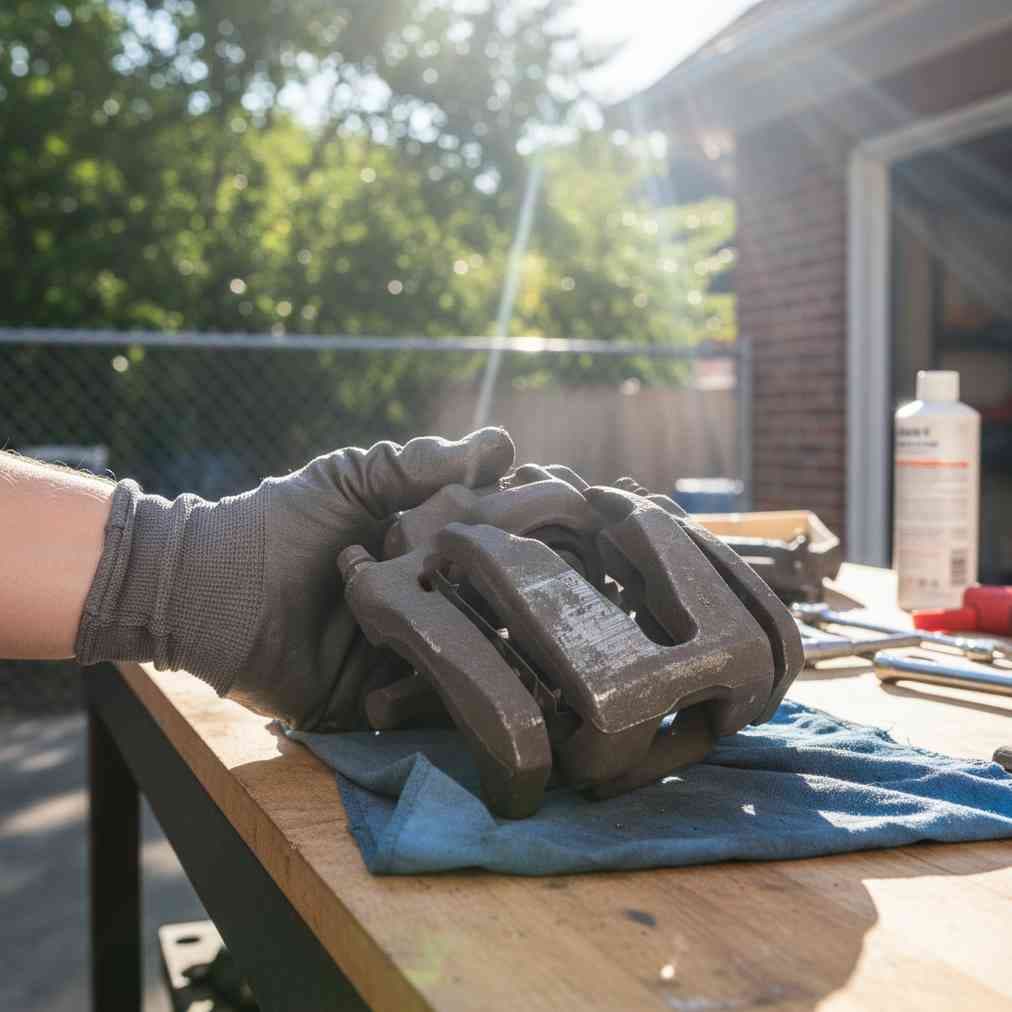
Body Panels: Check for dents, deep scratches, rust, and corrosion
Paint Condition: Look for consistent color and finish quality
Mounting Points: Ensure all attachment points are intact and undamaged
Glass Components: Inspect for cracks, chips, or fissures, especially on windshields
When shopping for crash repair parts like fenders, pay special attention to structural integrity and proper alignment capabilities.
Mechanical Parts Assessment
Engine Components: Look for oil leaks, excessive rust, or missing parts
Transmission Parts: Check for fluid leaks and smooth operation of moving components
Electrical Components: Inspect terminals for corrosion and wires for fraying
Suspension Parts: Ensure smooth movement without resistance or excessive wear
“Quality and condition of parts are the cornerstones of safety. Check for any visible wear, rust, or damage to prevent performance issues.”
– Automotive Industry Expert
Functional Testing: Verifying Performance
Whenever possible, test the functionality of used parts before purchase. This step is crucial for electrical components and mechanical parts with moving elements.
Component Type
Testing Method
Key Indicators
Starters
Voltage application test
Smooth engagement, proper rotation
Alternators
Bench test or multimeter check
Proper voltage output, no grinding noise
Transmissions
Shift mechanism operation
Smooth gear changes, no binding
Engine Blocks
Manual rotation check
Free movement, no seized components
For complex components like turbochargers or transmissions, consider professional evaluation to confirm functionality before purchase.
Understanding Part History and Mileage
The backstory of used auto parts significantly impacts their reliability and longevity. Parts from lower-mileage vehicles or well-maintained fleet vehicles generally offer better performance and durability.
Vehicle Mileage: Lower mileage typically means less wear and longer remaining life
Maintenance History: Well-maintained source vehicles produce higher quality parts
Accident History: Non-accident parts generally have better structural integrity
Environmental Factors: Parts from areas with harsh weather may show accelerated wear
As noted by industry professionals, knowing the part's provenance, including mileage and maintenance history, mirrors the due diligence required when purchasing used vehicles.
Authenticity Verification: Avoiding Counterfeit Parts
With the rise of counterfeit auto parts in the market, verifying authenticity has become increasingly important for consumer safety and part reliability.
Identifying Authentic Parts
Packaging Quality: Authentic parts feature high-quality packaging with clear, accurate branding
Serial Numbers: Genuine parts often have traceable serial numbers and proper documentation
Security Features: Look for holograms, watermarks, or other anti-counterfeiting measures
Manufacturing Marks: Check for proper casting marks, part numbers, and manufacturer logos
“Authentic auto parts are typically packaged in high-quality packaging with clear branding and labeling. Counterfeit parts often exhibit discrepancies in packaging.”
– Auto Parts Authentication Expert
Specific Part Categories: Targeted Inspection Tips
Different types of auto parts require specialized inspection approaches. Understanding these nuances helps ensure you get quality components for your specific needs.
For electrical components like starters and alternators:
Test functionality with appropriate voltage
Check for corrosion on terminals and connections
Verify proper amperage output for charging systems
Ensure all mounting brackets and hardware are included
Body Parts and Glass
When selecting doors, windows, or other body components:
Match paint codes for color consistency
Check glass for safety compliance markings
Test door mechanisms and window regulators
Verify proper fitment with existing body lines
Warranty and Return Policies: Your Safety Net
A quality seller will always offer some form of protection for their used parts. Understanding warranty terms and return policies protects your investment and provides recourse if issues arise.
Policy Type
Typical Coverage
Duration
Warranty
Manufacturing defects, functionality
30-90 days
Return Policy
Incompatibility, wrong part
7-30 days
Exchange Policy
DOA (Dead on Arrival) parts
24-72 hours
Quality auto recyclers understand that customer satisfaction depends on reliable parts and will stand behind their inventory with appropriate guarantees.
Red Flags: What to Avoid
Recognizing warning signs can save you from purchasing poor-quality or potentially dangerous used parts. Certain safety-critical components should never be purchased used without extreme caution.
Sellers with no return policy or warranty offerings
Parts with obvious structural damage or poor repair attempts
Electrical components with burnt or melted connections
Safety systems like airbags or seat belts from unknown sources
Prices that seem too good to be true – often indicate quality issues
Cost Considerations and Value Assessment
While cost savings are a primary motivation for buying used parts, understanding true value requires considering multiple factors beyond the initial price tag.
Installation costs: Factor in labor for parts that require professional installation
Remaining lifespan: Calculate cost per year of expected service
Warranty value: Parts with warranties offer additional protection worth
The source of your used auto parts significantly impacts quality and reliability. Different types of sellers offer varying levels of service and quality assurance.
The rise of online marketplaces has expanded access to used auto parts but requires additional vigilance from consumers. Digital inspection techniques become crucial when you can't physically examine parts before purchase.
Request multiple high-resolution photos showing all angles and potential problem areas
Ask for videos demonstrating functionality for electrical or mechanical components
Verify seller credentials through reviews and business registration
Understand shipping and return policies before committing to purchase
Use secure payment methods that offer buyer protection
Environmental and Regulatory Considerations
Quality used parts come from environmentally responsible sources that follow proper disposal and recycling regulations. This not only benefits the environment but often indicates better business practices overall.
Choose sellers who properly handle hazardous materials like fluids and batteries
Look for environmental certifications and compliance documentation
Verify that catalytic converters and other emissions components meet local standards
Ensure proper documentation for regulated parts like airbags
Making the Final Decision: A Summary Checklist
Before making your final purchase decision, use this comprehensive checklist to ensure you're getting a quality used auto part that meets your needs and expectations.
✓ Seller reputation verified through reviews and credentials
✓ Part compatibility confirmed using VIN or OEM numbers
✓ Visual inspection completed with no deal-breaking defects
✓ Functional testing passed where applicable
✓ Part history understood including mileage and maintenance
✓ Authenticity verified through proper markings and documentation
✓ Warranty or return policy clearly understood
✓ Total cost calculated including installation and potential issues
Following these guidelines helps ensure that your investment in used auto parts provides reliable service while delivering the cost savings and environmental benefits that make used parts an attractive option. Remember, thorough inspection and verification are your best tools for identifying quality components that will serve your vehicle well.
Whether you're looking for high-value components or basic replacement parts, taking the time to properly evaluate quality ensures you get the best value for your automotive repair and maintenance needs.