How to Pull a Complete Shifter Assembly from a Junkyard
Understanding Shifter Assembly Basics When visiting a junkyard to pull a complete shifter assembly, understanding the fundamental differences between automatic and manual transmission systems is crucial for a successful extraction. The removal process almost always begins with accessing the center console, making this one of the most labor-intensive parts retrieval projects you'll undertake at any [...]
Article image
Understanding Shifter Assembly Basics
When visiting a junkyard to pull a complete shifter assembly, understanding the fundamental differences between automatic and manual transmission systems is crucial for a successful extraction. The removal process almost always begins with accessing the center console, making this one of the most labor-intensive parts retrieval projects you'll undertake at any junkyard near you.
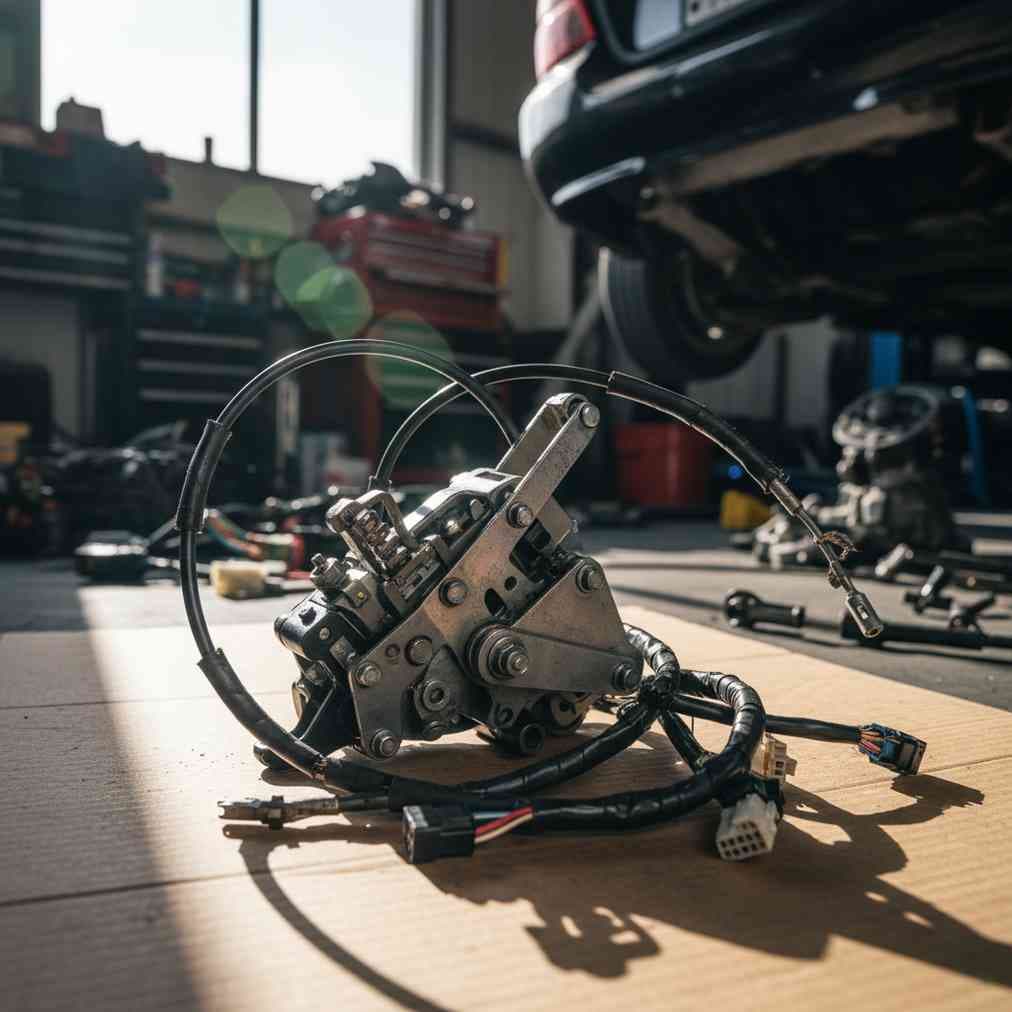
A shifter assembly represents the complete mechanism that allows drivers to change gears, including all mounting hardware, linkages, and electrical connections. Unlike simpler parts removal, extracting a shifter assembly requires methodical disassembly of interior components and careful disconnection of multiple systems.
Shifter handle, shift gate/indicator, main housing
Connection Method
Direct mechanical linkage to transmission
Cable linkage system
Electrical Systems
Minimal (reverse light switches)
Park/Neutral safety switch, mode buttons
Mounting Style
Bolts directly to transmission case
Multiple fasteners to floor/tunnel
Manual Transmission Shifter Parts
Manual transmission shifters connect directly to the transmission through a shift tower/housing that bolts to the transmission case. The internal mechanism includes shift forks and shift rods that physically move the transmission's gear selection mechanism. Key wear points include:
Shift lever bushings – Often worn and causing sloppy shifting
Flexible trunion joint – Critical connection point in the linkage
Shift housing mounting points – Must be crack-free for proper installation
Internal shift mechanism – Generally non-serviceable once removed
Automatic Transmission Shifter Parts
Automatic shifters feature more complex electrical systems and use cable linkages rather than direct mechanical connections. The assembly typically contains:
Shift lock mechanism – Prevents shifting out of park without brake application
Park/Neutral safety switch – Critical for starting the vehicle
Mode selection switches – For overdrive, sport modes, or manual shift gates
Shift position indicator – Shows current gear selection
Essential Tools and Safety Preparation
Before beginning your shifter assembly removal, gather the necessary tools and take proper safety precautions. Most salvage yards require you to bring your own tools and may charge tool rental fees for specialty equipment.
Required Tools
Socket set with extensions (10mm, 12mm, 13mm most common)
Phillips and flathead screwdrivers (various sizes)
Torx bit set (T15, T20, T25, T30)
Plastic pry tools for trim removal
Wire cutters/strippers for electrical connections
Flashlight or headlamp for interior work
Magnetic tray for small fasteners
Safety and Preparation Steps
Engage parking brake fully before beginning work
Disconnect negative battery terminal to prevent electrical issues
Use shift lock release (automatic) to move shifter to neutral position
Document electrical connections with photos before disconnecting
Wear safety glasses when working under dashboard areas
Step-by-Step Removal Process
The removal process follows a consistent pattern regardless of vehicle make and model, though specific fastener locations and trim pieces will vary. Research techniques can help you identify vehicle-specific procedures before heading to the yard.
Phase 1: Interior Trim Removal
Begin by removing all trim pieces and accessories surrounding the shifter assembly. This typically involves the most time-consuming portion of the job.
Remove shifter knob – May require removing hidden screws or trim rings
Extract trim panels around shifter base using plastic pry tools
Remove cup holder assemblies and storage compartments
Disconnect armrest assemblies that may obstruct console access
Remove side panels held by push clips or screws
Phase 2: Center Console Access
With trim pieces removed, you can access the main console structure and its mounting points.
Locate console mounting bolts – Usually found at front and rear of console
Disconnect electrical harnesses for power outlets, seat controls, and lighting
Remove console-to-floor fasteners – Often hidden under carpet or trim
Lift console carefully over parking brake handle if necessary
Support console weight to prevent damage to remaining connections
Phase 3: Shifter Assembly Disconnection
With the console removed, you can access the shifter assembly mounting points and connections.
Manual Transmission Disconnection
Position transmission in 3rd or 4th gear before removing housing
Disconnect shift linkage at transmission end using ball clips or cotter pins
Remove shift housing bolts securing assembly to transmission case
Extract entire assembly including shift tower and internal mechanism
Remove floor pan grommet where linkage passes through
Automatic Transmission Disconnection
Disconnect shift cable(s) at transmission end using squeeze tabs or clips
Remove electrical connectors for safety switches and indicator lights
Unbolt shifter assembly base from floor/transmission tunnel
Remove cable retaining clips along tunnel and firewall routing
Extract complete assembly with cables and electrical harnesses
Critical Inspection Points for Junkyard Parts
When evaluating a used shifter assembly, focus on wear patterns and damage that could affect functionality. Unlike buying used transmissions, shifter assemblies allow for visual inspection of most critical parts.
For automatic transmissions, electrical functionality is crucial for proper operation and vehicle safety.
Switch housing integrity – Check for cracks or water damage
Connector condition – Look for corrosion, bent pins, or melted plastic
Wiring harness – Inspect for cuts, rodent damage, or repairs
Button functionality – Test overdrive and mode switches if accessible
Position indicator – Verify smooth operation and proper alignment
“Every part of the shift linkage plays a role in how the gear lever moves. Even a small amount of looseness at one connection point can cause extra movement in the shifter, making gear changes feel soft or sloppy.”
Common Problem Areas and Solutions
Understanding typical failure points helps you evaluate whether a junkyard shifter assembly will be a worthwhile investment for your repair project.
Bushing Deterioration
Shifter bushings represent the most common wear point in both manual and automatic systems. Replacement bushings typically cost $15 to $50 for parts alone, making this an affordable fix for sloppy shifters.
Inspection: Look for cracking, hardening, or complete deterioration
Solution: Often replaceable separately from main assembly
Cable Stretch and Damage
Automatic transmission shift cables can stretch over time or suffer damage from heat and environmental exposure.
Symptoms: Incorrect gear indication, hard shifting, inability to reach all positions
Inspection: Check cable routing, end connections, and housing integrity
Solution: Usually requires complete cable replacement
Pricing and Value Considerations
Shifter assembly pricing at junkyards varies significantly based on vehicle popularity, age, and condition. Understanding market values helps you make informed purchasing decisions.
Typical Junkyard Pricing
Assembly Type
Junkyard Price Range
New Part Cost
Savings
Manual Shifter
$25 – $75
$150 – $400
60-80%
Automatic Shifter
$40 – $120
$200 – $600
65-85%
Performance/Short-throw
$35 – $100
$60 – $150
40-60%
Value Assessment Factors
Donor vehicle mileage – Lower mileage typically indicates less wear
Service history indicators – Check transmission fluid condition if possible
Completeness – Ensure all necessary brackets, cables, and switches are included
Compatibility verification – Confirm exact fitment for your specific vehicle year and trim
Modern Electronic Integration Challenges
Recent developments in automotive technology have made shifter assemblies increasingly complex, with many modern systems featuring electronic actuation and integration with vehicle control modules. Current research methods in automotive electronics show this trend continuing.
Even manual transmissions now often include electronic systems for hill-hold assist, rev-matching, and integration with stability control systems. This electronic integration means that extracting a complete, functional shifter assembly requires careful attention to:
Control module compatibility – Ensuring electronic systems match your vehicle's programming
Wiring harness integrity – Complete electrical connections for all integrated systems
Sensor calibration – Position sensors that may require programming after installation
Network communication – CAN bus integration with other vehicle systems
Installation Considerations and Professional Tips
Successfully installing a junkyard shifter assembly requires attention to detail and proper procedure following. Many DIY mechanics underestimate the complexity of reassembly, particularly for automatic transmissions with multiple electrical connections.
Electrical programming – Some systems need computer relearning procedures
Linkage alignment – Manual systems must be properly synchronized with transmission position
Safety verification – Park/neutral safety switches must function correctly
For automatic transmissions, buying a used unit often involves a “complete guess on your part as whether or not you want to use it,” so visual inspection of the external linkage is crucial.
Maximizing Your Junkyard Visit Success
Planning your shifter assembly removal visit maximizes your chances of success and minimizes wasted time. Popular salvage yards can be busy, making efficiency important for a successful parts-pulling experience.
Pre-Visit Research
Inventory checking – Call ahead to verify donor vehicles are available
Part compatibility research – Confirm fitment across model years and trim levels
Tool preparation – Ensure you have all necessary tools and fasteners
Weather consideration – Interior work can be challenging in extreme temperatures
Efficient Removal Strategy
Start early – Shifter removal can take 2-4 hours depending on vehicle complexity
Work systematically – Remove trim pieces in logical order to avoid damage
Document connections – Take photos of electrical connections before disconnecting
Keep hardware organized – Use labeled containers for different fastener types
Inspect thoroughly – Check condition before completing removal
When to Consider Alternatives
While junkyard shifter assemblies offer significant savings, certain situations warrant considering alternative solutions or walking away from a potential purchase.
Red Flags for Rejection
Flood damage indicators – Water stains, corrosion, or musty odors
Accident damage – Bent or cracked housing from impact
Previous repair attempts – Evidence of poor-quality modifications
Incomplete assemblies – Missing critical switches, cables, or mounting hardware
Excessive wear – Bushings completely deteriorated or linkages severely worn
Alternative Solutions
When junkyard parts don't meet your needs, consider these alternatives:
Rebuild services – Professional reconditioning of your existing assembly
Aftermarket upgrades – Performance shifters with warranties
Individual part replacement – Replacing only worn bushings or switches
Remanufactured units – Factory-rebuilt assemblies with warranties
If your current vehicle has reached the end of its useful life and requires expensive shifter repairs, you might consider getting an instant quote for junk car removal instead of investing in major repairs.
Environmental and Economic Benefits
Choosing used shifter assemblies from junkyards provides both environmental and economic advantages. The automotive recycling industry prevents millions of tons of automotive waste from entering landfills annually while providing affordable repair solutions for vehicle owners.
By selecting quality used parts over new replacements, you're participating in the circular economy for automotive parts while achieving substantial cost savings. This approach particularly benefits older vehicle owners who might otherwise face economically challenging repair decisions.
Successfully pulling a complete shifter assembly from a junkyard requires patience, proper tools, and systematic approach. With careful inspection and proper removal techniques, you can obtain a quality replacement part at a fraction of new part costs while contributing to sustainable automotive repair practices.