Finding and Inspecting a Used Car Hood Replacing a damaged hood doesn't have to break the bank. Used car hoods offer significant savings while maintaining the quality and functionality you need. The key to success lies in knowing where to look and how to properly evaluate potential candidates. Where to Source Quality Used Car Hoods [...]
Article image
Finding and Inspecting a Used Car Hood
Replacing a damaged hood doesn't have to break the bank. Used car hoods offer significant savings while maintaining the quality and functionality you need. The key to success lies in knowing where to look and how to properly evaluate potential candidates.
Where to Source Quality Used Car Hoods
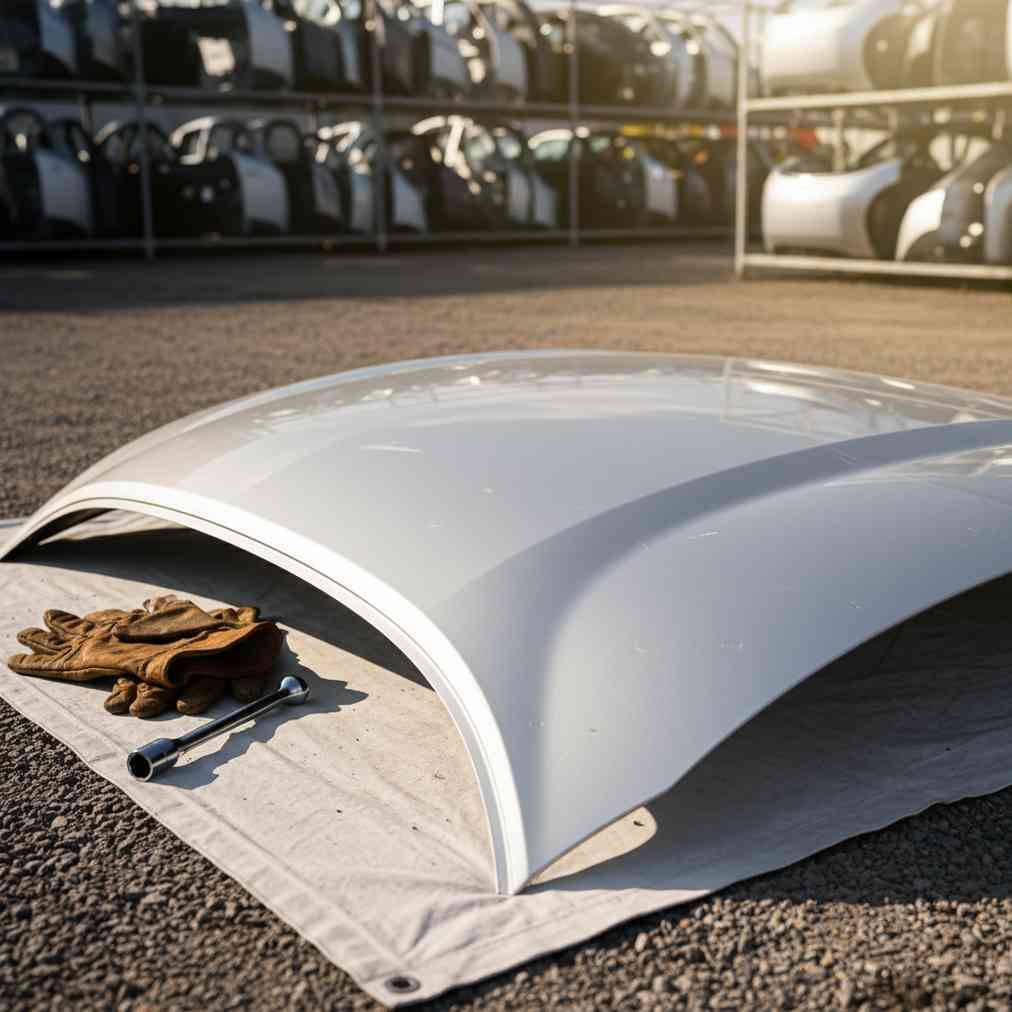
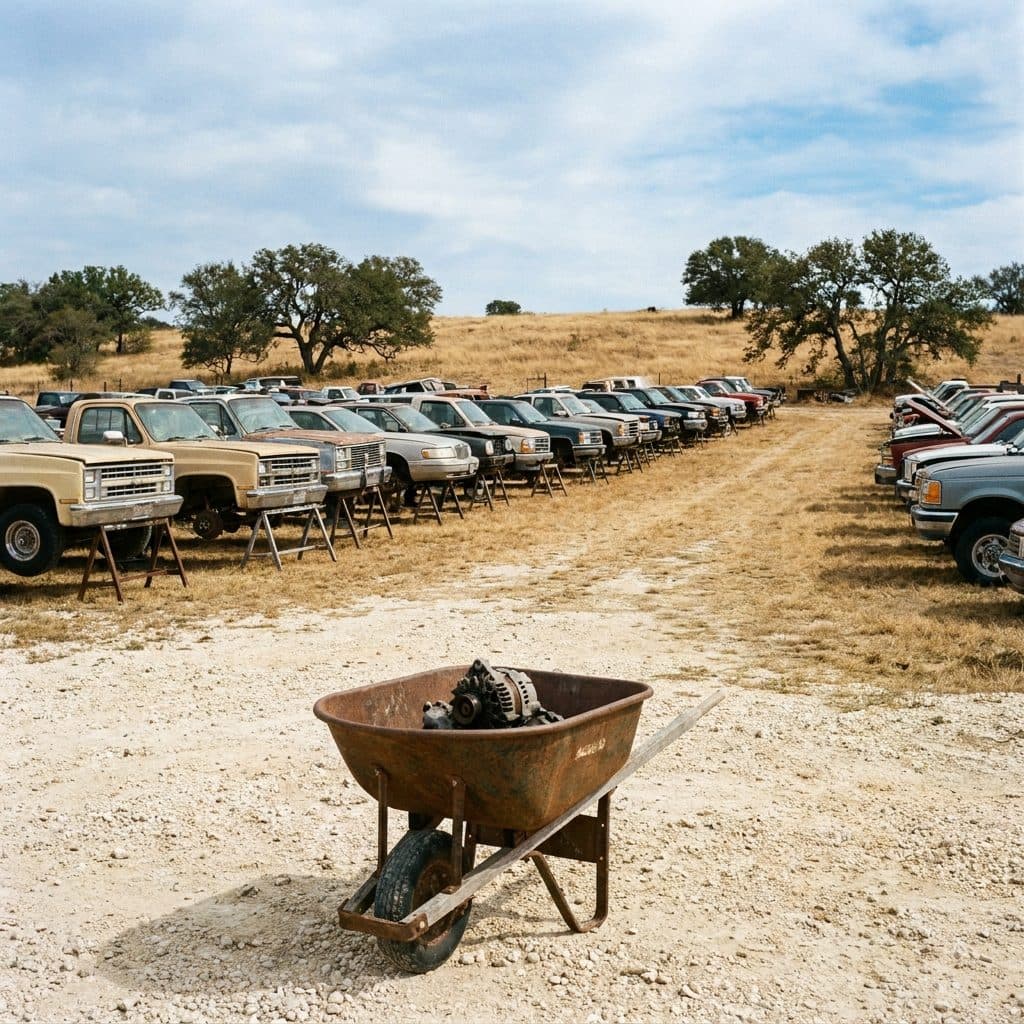
Auto salvage yards – Your best bet for finding authentic OEM parts at competitive prices. Many local U-Pull-It auto salvage yards offer extensive inventories with self-service options
Online marketplaces – eBay and specialized auto parts retailers provide wide selection and delivery options
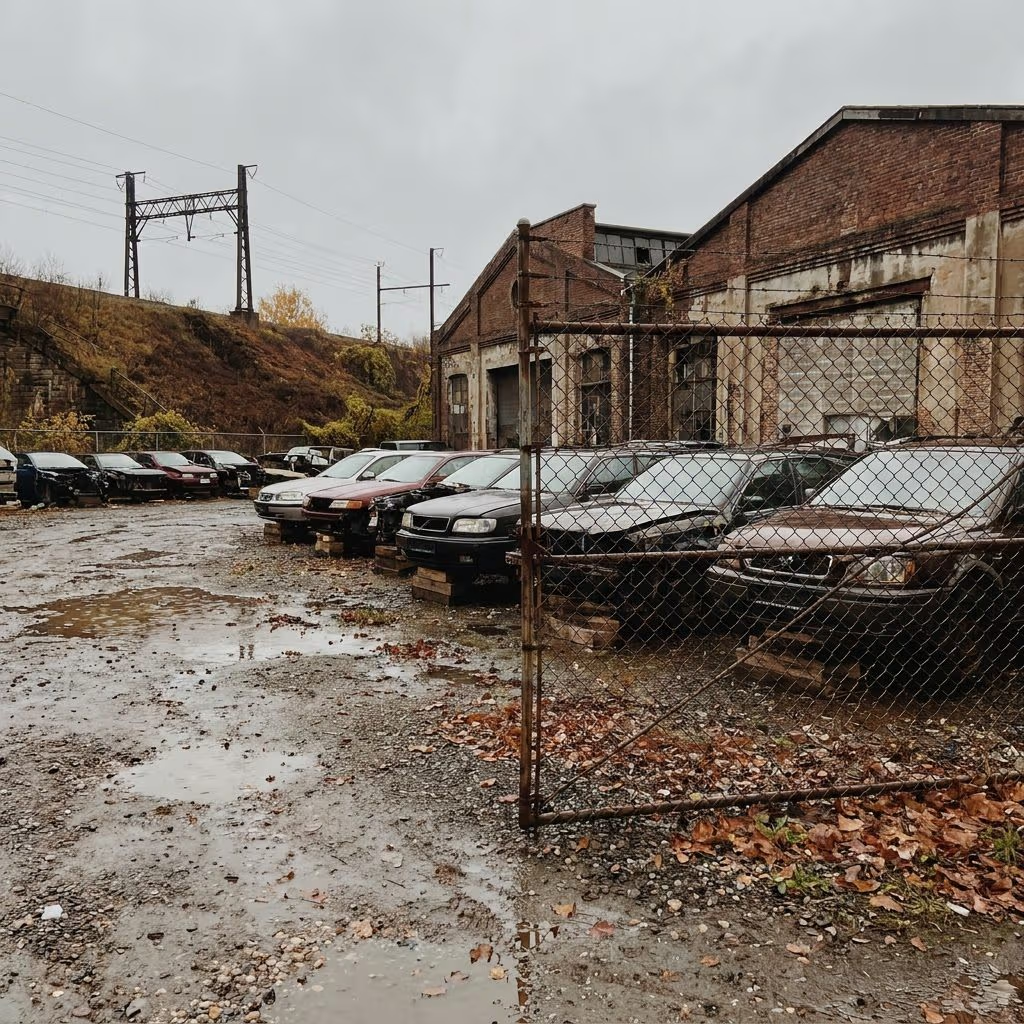
Junkyards and pick-a-part facilities – Pick-and-pull junkyards let you inspect parts firsthand before purchase
Auto recyclers – Professional auto recyclers often provide quality guarantees and compatibility verification
Essential Inspection Checklist
Inspection Area
What to Check
Red Flags
Structural Integrity
Frame rails, mounting points, overall shape
Cracks, severe rust, bent areas
Surface Condition
Paint, dents, scratches
Deep rust, multiple collision damage
Hinge Areas
Bolt holes, threaded inserts
Stripped threads, enlarged holes
Underside
Reinforcement bars, insulation
Missing brackets, rodent damage
When shopping for OEM car parts, compatibility is crucial. Always verify the part number matches your vehicle's year, make, and model. OEM car parts meaning Original Equipment Manufacturer ensures proper fit and finish.
Tools and Safety Equipment Required
Before beginning your hood removal and installation project, gathering the right tools is essential for both safety and efficiency. Mechanics recommend having this set of tools to ensure professional-quality results.
Essential Tool List
Socket wrench set – 10mm and 12mm sockets are most commonly needed
Adjustable wrenches – For various bolt sizes and tight spaces
Screwdrivers – Both flathead and Phillips for clip removal
Trim removal tools – For disconnecting plastic clips without damage
Helper/assistant – Hoods are heavy and require two-person handling
Safety Precautions
Disconnect battery – Prevents electrical shorts from hood-mounted sensors
Secure hood support – Use proper hood stands or have assistant maintain control
Protect surrounding surfaces – Cover windshield and fenders with towels
Wear safety equipment – Gloves and safety glasses are non-negotiable
“Proper fitment is extremely important when buying a replacement hood. You'll need one that's specifically designed for your vehicle to ensure secure and precise alignment with adjacent parts, like your fenders and front bumper cover.”
– CarParts.com Expert
Step-by-Step Hood Removal Process
Removing a car hood safely requires methodical approach and attention to detail. This process is similar to other DIY panel replacement projects but has unique considerations due to the hood's size and weight.
Preparation Steps
Park safely – Choose level ground with adequate workspace around vehicle
Engage parking brake – Ensure vehicle stability during work
Disconnect battery – Remove negative terminal to prevent electrical issues
Gather tools – Have all necessary equipment within reach
Disconnection Process
Start by opening the hood fully and securing it with the factory prop rod. Video tutorials can provide visual guidance for this process. Locate all connections that must be disconnected:
Wiring harnesses – Disconnect any hood-mounted lights or sensors
Washer fluid lines – Remove hoses carefully to avoid spillage
Support cables – Detach hood release cables if present
Insulation clips – Remove any hood liner or insulation attachments
Bolt Removal Technique
The hood typically attaches to the vehicle via hinge bolts. Professional installation guides emphasize the importance of proper bolt removal sequence:
Locate hinge bolts – Usually 2-4 bolts per hinge side
Loosen gradually – Slightly loosen all bolts before removing any completely
Support hood weight – Have assistant hold hood or use proper support
Remove systematically – Take out one side completely, then the other
Installing Your Used Car Hood
Installation reverses the removal process but requires careful attention to alignment and fit. Similar to crash repair using junkyard parts, proper installation ensures safety and functionality.
Initial Positioning
Before attempting installation, inspect your used hood one final time. Professional body shops recommend this final check to avoid installation problems:
Clean mounting surfaces – Remove dirt and debris from hinge areas
Check hardware – Ensure all bolts and washers are present
Test fit hinges – Verify hinge compatibility before lifting hood
Prepare workspace – Clear area for safe maneuvering
Alignment and Adjustment
Gap Area
Target Measurement
Adjustment Method
Hood to Fender
3-5mm consistent
Loosen hinge bolts, shift position
Hood to Headlights
Even alignment
Adjust front edge position
Hood to Grille
Factory spacing
Fine-tune hinge placement
Final Connections
Once alignment is satisfactory, reconnect all previously disconnected components. Installation guides emphasize the importance of this final step:
Wiring harnesses – Reconnect hood lights and sensors
Washer lines – Ensure secure connection to prevent leaks
Hood latch – Verify proper engagement and release
Battery connection – Reconnect negative terminal
Performance Upgrades and Special Considerations
Some enthusiasts prefer aftermarket hoods for performance benefits. Carbon fiber hoods offer weight reduction advantages but require special handling considerations.
Precise drilling – Measure twice, drill once for pin placement
Proper spacing – Ensure pins don't interfere with other components
Quality hardware – Use corrosion-resistant pins and brackets
Professional appearance – Align pins symmetrically for best results
Cost Savings and Budget Considerations
Choosing used auto parts for hood replacement offers substantial savings compared to new components. Understanding the financial benefits helps justify the DIY approach and parts selection.
Hood Type
New Price Range
Used Price Range
Potential Savings
Economy Car OEM
$300-600
$75-150
Up to 75%
Mid-size Sedan
$400-800
$100-200
Up to 70%
Truck/SUV
$500-1200
$125-300
Up to 65%
Premium/Luxury
$800-2000
$200-500
Up to 60%
The reasons people buy used auto parts extend beyond cost savings to include environmental benefits and parts availability for older vehicles.
Additional Cost Factors
Professional installation – Can add $150-300 to total cost
Paint matching – May require $200-500 for proper color match
Prep work – Cleaning and minor repairs add time and materials
Transportation – Factor delivery or pickup costs for large parts
Common Mistakes and How to Avoid Them
Learning from common installation errors saves time and prevents damage. Understanding these pitfalls helps ensure successful hood replacement project completion.
Compatibility Issues
Wrong model year – Verify exact fit before purchase
Trim level differences – Base vs. premium models may have different hoods
Regional variations – Some markets have unique specifications
Aftermarket modifications – Previous owner modifications may affect fitment
“Removing a hood isn't difficult, per se. The steps are simple. But having a helper around does make it easier to lift.”
– Pull-A-Part Expert
Installation Errors
Inadequate support – Never work under unsecured hood
Rushed alignment – Take time to achieve proper gaps
Forgotten connections – Double-check all electrical and fluid connections
Proper maintenance extends the life of your installed hood and maintains vehicle appearance. Regular car maintenance includes hood-specific care items.
Regular Inspection Points
Hinge operation – Lubricate hinges annually or as needed
Latch mechanism – Ensure proper engagement and release
Weather sealing – Replace worn rubber seals to prevent water intrusion
Paint condition – Address chips and scratches promptly to prevent rust
Understanding common car problems helps identify when hood-related issues may be developing, allowing for proactive maintenance.
Environmental Impact and Recycling Benefits
Choosing used car parts contributes to environmental sustainability by reducing manufacturing demands and keeping functional components out of landfills. Recycled auto parts offer both economic and environmental advantages.
Reduced mining – Less demand for raw materials
Energy savings – Manufacturing new parts requires significant energy
Waste reduction – Extends useful life of automotive components
The growing market for used auto parts continues to expand as more consumers recognize these benefits and seek cost-effective repair solutions.
Professional vs. DIY Installation
While hood installation is within reach of many DIY enthusiasts, some situations may warrant professional installation. Understanding when to tackle the job yourself versus seeking professional help ensures optimal results.
DIY Appropriate
Professional Recommended
Direct OEM replacement
Collision damage repair
Basic tool availability
Frame alignment needed
Helper available
Paint work required
Time and patience
Insurance claim involved
When choosing professional installation, research qualified auto repair shops that have experience with your vehicle make and model.
Conclusion and Final Tips
Successfully pulling and installing a used car hood requires careful planning, proper tools, and attention to detail. The process offers significant cost savings while providing valuable hands-on automotive experience.
Key success factors include thorough parts inspection, proper safety precautions, careful alignment during installation, and complete reconnection of all components. Visual guides and step-by-step tutorials provide additional support for DIY installers.
Whether sourcing parts from U-Pull-It junkyards or purchasing from specialized retailers, the investment in quality used parts and careful installation pays dividends in both cost savings and vehicle reliability. Remember that patience and methodical approach are your best tools for achieving professional-quality results.