How to Recycle Vehicle Fluids (oil, coolant, refrigerant) Responsibly
Understanding Vehicle Fluids and Their Environmental Impact Vehicle fluids contain toxic chemicals and heavy metals that can severely contaminate water and soil if improperly discarded. Motor oil, coolant (antifreeze), and refrigerant are among the most hazardous automotive fluids requiring proper disposal. A single quart of used motor oil can contaminate up to 250,000 gallons of [...]
Article image
Understanding Vehicle Fluids and Their Environmental Impact
Vehicle fluids contain toxic chemicals and heavy metals that can severely contaminate water and soil if improperly discarded. Motor oil, coolant (antifreeze), and refrigerant are among the most hazardous automotive fluids requiring proper disposal. A single quart of used motor oil can contaminate up to 250,000 gallons of water, making responsible recycling crucial for environmental protection.
The Environmental Protection Agency (EPA) classifies these fluids as hazardous materials due to their potential to harm both human health and ecosystems. When shopping for replacement parts, consider visiting junkyards near me to find environmentally responsible options while supporting the circular economy.
Motor Oil Recycling: Best Practices and Procedures
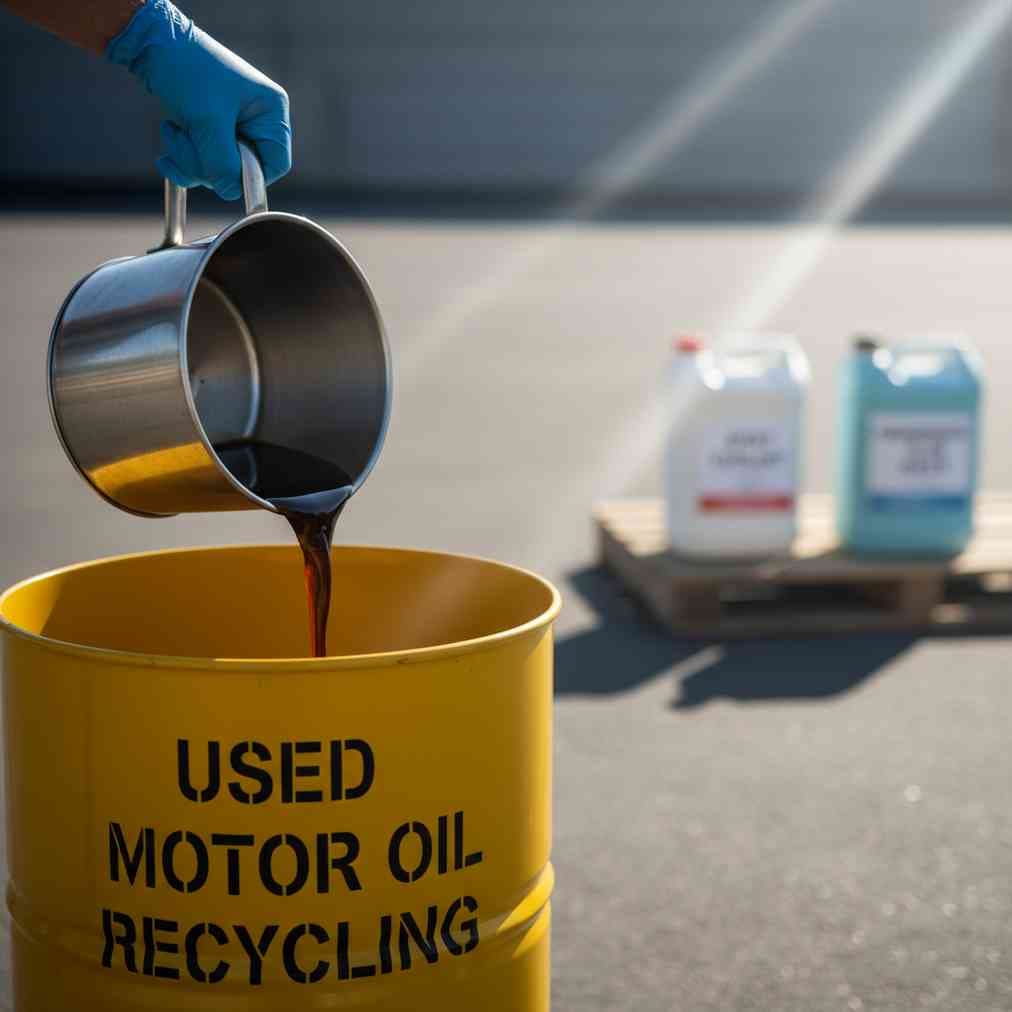
Used motor oil recycling is one of the most established automotive fluid recycling programs. According to Westchester County Environmental guidelines, proper oil disposal prevents groundwater contamination and supports the production of new lubricants.
Safe Motor Oil Collection Steps
Use clean, leak-proof plastic containers with tight-fitting lids
Never mix motor oil with other fluids like coolant, brake fluid, or gasoline
Drain oil filters completely by puncturing while hot (above 60°F)
Allow filters to drain for at least 12 hours before disposal
Store containers in shaded areas away from children and pets
The AutoZone recycling guide emphasizes that contaminated oil cannot be recycled effectively, making proper collection procedures essential.
Where to Take Used Motor Oil
Location Type
Acceptance Limits
Additional Services
Auto Parts Stores
2-5 gallons per day
Oil filter recycling
Service Stations
5 gallons per visit
Free disposal
Quick Lube Shops
Customer oil only
Filter disposal included
Municipal Centers
Varies by location
Other automotive fluids
According to Middlesex County MUA guidelines, many states require retailers selling motor oil to accept used oil free of charge, making disposal convenient for consumers.
Coolant and Antifreeze Disposal Guidelines
Coolant disposal requires special attention due to its sweet taste that attracts animals and children, despite being highly toxic. Both ethylene glycol and propylene glycol-based antifreezes pose serious environmental and health risks when improperly disposed of.
Wait for engine to cool completely before draining
Use separate containers clearly labeled “Used Coolant”
Store in tightly sealed, chemical-resistant containers
Keep away from children, pets, and heat sources
Never mix with other automotive fluids
Approved Coolant Disposal Locations
Household Hazardous Waste (HHW) facilities
Special collection events organized by municipalities
Some automotive service centers and parts stores
Authorized hazardous waste disposal companies
According to NYC Department of Sanitation, residents should check local regulations as acceptance policies vary significantly between jurisdictions.
Refrigerant Recovery and Recycling Regulations
Automotive refrigerant recovery requires EPA-certified technicians and specialized equipment due to federal regulations protecting the ozone layer. Refrigerants like R-134a and newer R-1234yf are potent greenhouse gases that must be properly captured and recycled.
The NYC 311 special waste guidelines specify that refrigerant-containing appliances and vehicle components must be handled by certified professionals.
Legal Requirements for Refrigerant Handling
Only EPA Section 609 certified technicians can handle vehicle refrigerants
Recovery equipment must meet EPA standards
Refrigerant cannot be vented to atmosphere
Proper documentation required for disposal or recycling
Violations carry significant federal penalties
“Automotive refrigerant systems require professional handling due to environmental regulations and safety concerns. DIY enthusiasts should leave refrigerant work to certified technicians.”
Step-by-Step Fluid Draining Procedures
Proper fluid draining techniques ensure safety and prevent environmental contamination. These procedures, demonstrated in this comprehensive video guide, should be followed carefully for each fluid type.
Workspace Preparation
Work on impervious surfaces like concrete floors
Use tarps or plastic sheets to catch spills
Have absorbent materials (kitty litter, vermiculite) ready
Ensure adequate ventilation in enclosed spaces
Keep fire extinguisher nearby when working with flammable fluids
Fluid-Specific Draining Steps
Fluid Type
Preparation
Draining Method
Safety Notes
Motor Oil
Warm engine, gather containers
Remove drain plug, drain filter
Wear gloves, avoid hot surfaces
Coolant
Cool engine completely
Open radiator drain, remove cap
Never open hot system
Refrigerant
Professional service only
Recovery machine required
EPA certification mandatory
Local Regulations and Compliance Requirements
Local recycling regulations vary significantly across jurisdictions, making it essential to understand area-specific requirements. The Rockaway Borough 2025 recycling guide provides an example of municipal-specific guidelines that residents must follow.
Common Regulatory Requirements
Mandatory acceptance laws requiring retailers to take used fluids
Volume limits for individual drop-offs (typically 2-5 gallons)
Prohibition against mixing different fluid types
Required use of original containers or approved alternatives
Documentation requirements for commercial generators
Environmental benefits of proper fluid recycling extend far beyond pollution prevention. Used motor oil can be re-refined into new lubricants, coolant can be reclaimed for reuse, and refrigerants can be purified and recharged into other systems.
One gallon of used oil produces 2.5 quarts of new lubricant
Recycling prevents contamination of up to 1 million gallons of water per gallon of oil
Proper refrigerant recovery prevents ozone depletion and reduces greenhouse gas emissions
Coolant recycling reduces the need for new ethylene glycol production
Supporting the recycled parts market reduces manufacturing demand
Supporting the Circular Economy Through Used Parts
Purchasing used auto parts complements fluid recycling efforts by extending component lifecycles and reducing waste. When you need replacement parts, getting a cash for cars online quote for your old vehicle ensures all fluids are properly handled during the dismantling process.
Benefits of Buying Used Auto Parts
Cost savings of 50-80% compared to new parts
Environmental conservation through resource reuse
Availability of discontinued parts for older vehicles
OEM quality assurance from original manufacturers
Support for responsible automotive recycling industry
Evaluating Used Parts Quality
Inspection Category
What to Check
Red Flags
Visual Condition
Cracks, corrosion, wear patterns
Hidden damage, fresh paint
Compatibility
OEM numbers, vehicle specifications
Mismatched part numbers
Fluid-Related Parts
Seals, gaskets, internal cleanliness
Leaks, contamination, deposits
Service History
Mileage, maintenance records
Unknown or suspicious origin
Emergency Spill Response and Cleanup
Spill response procedures are critical for preventing environmental contamination during fluid handling. Quick action can minimize damage and ensure compliance with environmental regulations.
Immediate Response Steps
Stop the source of the spill immediately
Contain the spill with absorbent materials
Prevent fluid from entering storm drains or waterways
Use appropriate personal protective equipment
Document the incident for regulatory reporting if required
Disposal requirements: Contaminated materials must be treated as hazardous waste
Professional help: Large spills may require environmental remediation services
Future Trends in Automotive Fluid Recycling
Emerging technologies and regulatory changes continue to shape automotive fluid recycling. Electric vehicle adoption is reducing traditional fluid needs while creating new recycling challenges for battery coolants and specialized lubricants.
Eco-friendly refrigerant alternatives with lower environmental impact
Expanded municipal collection programs improving public access
Digital tracking systems ensuring proper fluid disposal documentation
Integration with automotive recycling operations for comprehensive waste management
Conclusion: Taking Action for Environmental Responsibility
Responsible vehicle fluid recycling requires understanding proper procedures, following local regulations, and utilizing appropriate disposal facilities. By combining fluid recycling with used parts purchasing and proper disposal practices, automotive enthusiasts and professionals can significantly reduce their environmental impact while supporting sustainable transportation practices.
The key to successful fluid recycling lies in preparation, proper storage, and utilizing established collection networks. Whether you're a DIY mechanic or professional technician, following these guidelines ensures compliance with environmental regulations while protecting public health and natural resources for future generations.