How to Remove and Sell Catalytic Converter Cores Legally
Understanding the Legal Requirements for Selling Catalytic Converter Cores The legal removal and sale of catalytic converter cores has become increasingly regulated due to rising theft rates across the United States. Before attempting to sell any catalytic converter, it's crucial to understand the comprehensive documentation requirements and legal processes involved in legitimate transactions with recycling [...]
Article image
Understanding the Legal Requirements for Selling Catalytic Converter Cores
The legal removal and sale of catalytic converter cores has become increasingly regulated due to rising theft rates across the United States. Before attempting to sell any catalytic converter, it's crucial to understand the comprehensive documentation requirements and legal processes involved in legitimate transactions with recycling centers.
Essential Documentation for Legal Sales
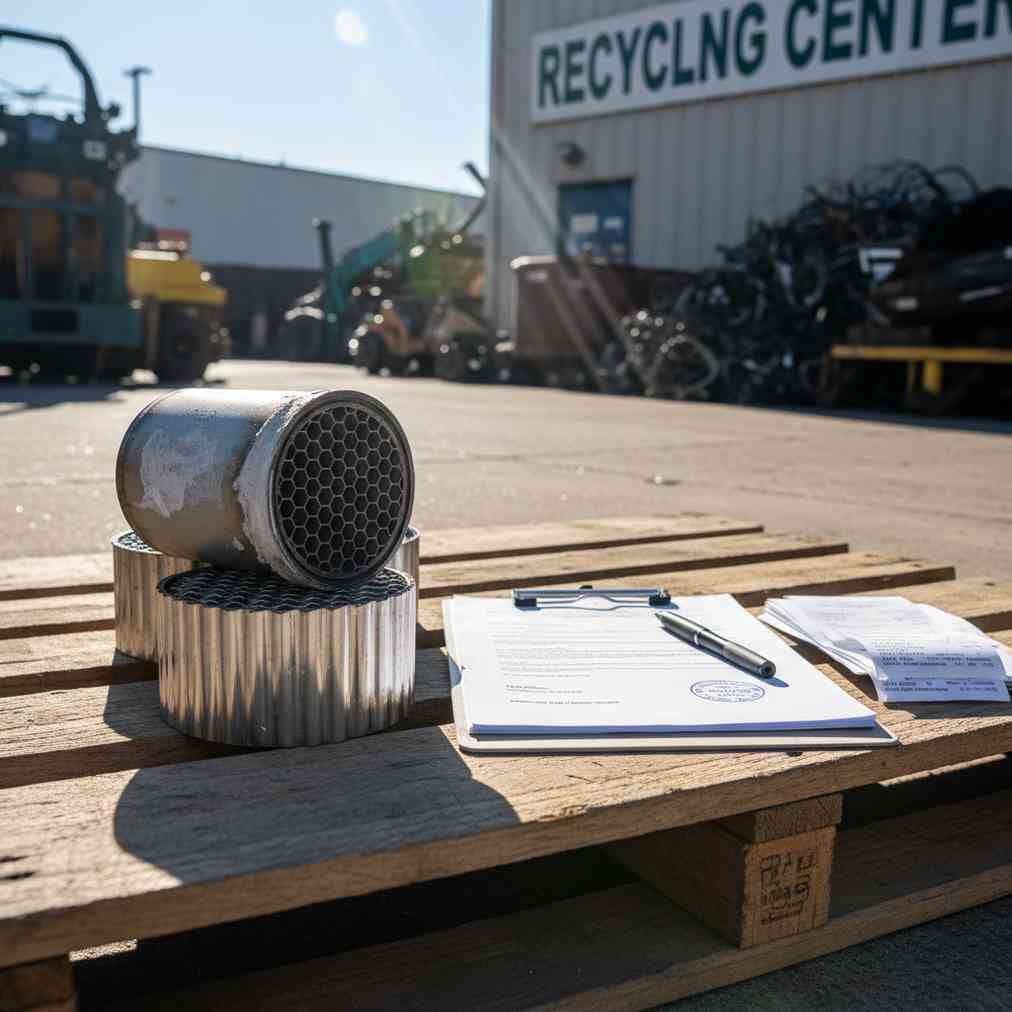
When selling catalytic converter cores to certified recycling facilities, proper documentation serves as the foundation for legal compliance and theft prevention. The documentation requirements vary by state but generally include several key components.
Proof of Ownership: Valid vehicle title, registration, or mechanic's receipt showing converter replacement
Government-issued Photo ID: Driver's license or passport for seller verification
Vehicle Information: Year, make, model, and VIN of the source vehicle
Transaction Records: Signed statements and bills of sale as required by state law
Fingerprint/Thumbprint: Some states mandate biometric identification for high-value transactions
“Catalytic converter recycling must comply with legal requirements and regulations. This includes adhering to environmental regulations regarding the proper handling, transportation, and processing of used converters.”
State-Specific Legal Requirements
State
Key Requirements
Additional Notes
California
State ID, ownership statement, licensed dismantler restrictions
Heavy regulation of private sales
Texas
VIN verification, proof of vehicle ownership
Specific documentation for source vehicle
New Jersey
Licensed buyer verification of ownership
Buyer responsibility for verification
According to California scrap metal laws, sellers must present valid identification and sign statements affirming their legal right to sell the converter, with strict penalties for violations.
Safe and Proper Removal Techniques
Before beginning the removal process, ensure you have the legal right to remove the catalytic converter and the proper safety equipment. Professional-grade tools and safety precautions are essential for both personal safety and maintaining the core's value.
Required Tools and Safety Equipment
Safety glasses and gloves: Protection from metal fragments and heat
Jack and jack stands: Secure vehicle lifting for undercarriage access
Reciprocating saw or cutting torch: For pipe cutting (depending on attachment method)
Socket wrench set: For bolted connections
Wire brush: For cleaning connection points
Similar to the precision required when working with other OEM car parts, catalytic converter removal demands careful attention to preserve the integrity of the ceramic honeycomb core inside.
Step-by-Step Removal Process
The removal process must be executed carefully to maintain the converter's value and ensure safety. Never attempt to disassemble the core or remove internal components, as this significantly reduces its recycling value.
Step 1: Secure the vehicle on level ground with proper jack stands
Step 2: Locate the catalytic converter in the exhaust system
Step 3: Remove oxygen sensors if attached to the converter
Step 4: Cut exhaust pipes or remove bolts at connection points
Step 5: Carefully lower the converter, avoiding damage to the casing
Step 6: Trim excess pipe to approximately 3 inches on each end
For those working with various automotive components, understanding proper removal techniques is as crucial as knowing high-value used auto parts identification in salvage operations.
Understanding Catalytic Converter Core Valuation
The value of catalytic converter cores is determined primarily by their Platinum Group Metals (PGMs) content rather than their weight as base scrap metal. Professional recycling facilities use sophisticated assaying methods to determine precise metal content and fair market pricing.
Primary Value Factors
Factor
Impact on Price
Typical Range
Platinum Content
High
0.5-2 grams per unit
Palladium Content
Very High
1-3 grams per unit
Rhodium Content
Extremely High
0.1-1 gram per unit
Core Condition
Moderate
Intact vs. damaged
Understanding these valuation factors helps sellers maximize their returns, much like knowing what car body parts to buy at a junkyard when shopping for replacement components.
Vehicle-Specific Pricing Variations
Different vehicle makes and models use varying PGM formulations in their catalytic converters, resulting in significant price differences between units. Hybrid vehicles and luxury cars typically contain the highest concentrations of precious metals.
Converter Type
Typical Price Range
PGM Content Level
Hybrid Vehicles (Prius, etc.)
$400 – $1,000+
Very High
Truck Converters (OEM)
$250 – $800+
High
Domestic Car Converters
$100 – $325
Medium
Foreign Car Converters
$75 – $250
Medium
Aftermarket Converters
Under $50
Low
Finding Reputable Recycling Centers
Selecting the right recycling facility is crucial for both legal compliance and fair pricing. Certified recyclers follow environmental regulations and provide transparent pricing based on actual metal content rather than arbitrary assessments.
When searching for legitimate buyers, consider facilities that offer real-time pricing tools and transparent assaying processes. These modern recycling centers often provide mobile applications for instant quotes and part identification.
Red Flags to Avoid
No documentation requirements: Legitimate buyers always require proper ID and paperwork
Cash-only transactions: Reputable recyclers provide detailed receipts and payment records
Below-market pricing: Significantly low offers may indicate illegal operations
No business license: Verify the facility's proper licensing and certifications
Pressure tactics: Legitimate buyers allow time for verification and comparison shopping
Just as you would research junkyards near you for quality parts, finding reputable recyclers requires due diligence and verification of their credentials.
Environmental and Regulatory Compliance
The Environmental Protection Agency (EPA) strictly regulates catalytic converter disposal and recycling under the Clean Air Act. Selling converters for reuse in vehicles is illegal, making proper recycling through certified facilities the only legal disposal method.
“Recycling old catalytic converters is the best way to guarantee a fair price and an environmentally friendly disposal.”
Facilities requiring proper certification ensure that precious metals recovery meets environmental standards while preventing contamination from improper handling.
Benefits of Proper Recycling
Resource Conservation: Nearly 100% metal recovery reduces mining demands
Environmental Protection: Prevents toxic material contamination
Economic Value: 80% of recycled metals return to automotive manufacturing
Energy Savings: Recycling requires less energy than new metal production
Legal Compliance: Avoids EPA violations and associated penalties
Maximizing Your Catalytic Converter Core Value
To achieve the highest possible return on your catalytic converter cores, several strategies can significantly impact your final payout. Preparation, identification, and timing all play crucial roles in maximizing value.
Pre-Sale Preparation Steps
Document Everything: Photograph the converter with visible part numbers and serial codes
Research Your Unit: Use online databases to identify make, model, and year specifications
Monitor Metal Prices: Track daily PGM commodity prices for optimal selling timing
Clean the Exterior: Remove dirt and debris to reveal part numbers and condition
Measure and Weigh: Record dimensions and weight for accurate quotes
The preparation process mirrors the attention to detail required when getting an instant quote for junk cars, where accurate information directly impacts valuation.
Negotiation Strategies
Strategy
Implementation
Expected Impact
Multiple Quotes
Contact 3-5 recycling facilities
10-20% price increase
Part Identification
Provide exact part numbers
15-30% accuracy improvement
Condition Documentation
Photos of intact honeycomb
5-15% value protection
Timing
Monitor PGM market prices
Variable based on market
Current Market Trends and Future Outlook
The catalytic converter recycling market continues evolving due to technological advances, regulatory changes, and shifting automotive trends. Electric vehicle adoption and enhanced security measures represent significant long-term factors affecting the industry.
Recent Industry Developments
Enhanced Tracking Systems: Digital documentation and blockchain verification
Mobile Technology: Real-time pricing apps and instant identification tools
Stricter Regulations: Increased penalties for theft and illegal sales
Market Volatility: PGM price fluctuations due to global supply chain issues
Sustainable Practices: Improved recovery rates and environmental compliance
Understanding these trends helps sellers make informed decisions about timing and facility selection, much like staying updated on practices at various materials recycling centers across different regions.
Legal Consequences of Improper Sales
The legal ramifications of improperly selling catalytic converters extend far beyond simple fines. Federal and state penalties for violations can include substantial financial penalties, criminal charges, and permanent legal consequences.
Potential Legal Issues
Violation Type
Potential Consequences
Severity Level
EPA Clean Air Act Violation
Federal fines up to $37,500 per violation
Severe
Selling Stolen Property
Felony charges, imprisonment
Severe
Documentation Fraud
Criminal charges, fines
Severe
State Scrap Metal Violations
Fines, license revocation
Moderate
For those concerned about official permits for catalytic converter recycling, consulting with legal professionals and certified recycling facilities ensures full compliance with all applicable regulations.
Conclusion: Best Practices for Legal Catalytic Converter Sales
Successfully navigating the legal sale of catalytic converter cores requires comprehensive understanding of regulatory requirements, proper documentation, and selection of reputable recycling partners. Compliance with all applicable laws protects both sellers and the environment while ensuring fair compensation for valuable materials.
The key to successful catalytic converter recycling lies in preparation, documentation, and working with certified facilities that prioritize legal compliance and environmental responsibility. By following these guidelines and staying informed about current regulations, sellers can confidently participate in the legitimate catalytic converter recycling market while contributing to sustainable resource conservation.
Remember that proper recycling of catalytic converters not only provides immediate financial benefits but also supports the broader automotive recycling ecosystem that keeps valuable materials in circulation and reduces environmental impact for future generations.