How to Salvage and Sell Convertible Tops and Mechanisms
Understanding the Convertible Top Salvage Market The process of salvaging and selling convertible tops and their mechanisms represents a specialized niche within auto recycling, driven by the high cost and complexity of these parts when purchased new. This market has grown significantly as more car owners seek affordable alternatives to expensive dealership replacements, with buyers [...]
Article image
Understanding the Convertible Top Salvage Market
The process of salvaging and selling convertible tops and their mechanisms represents a specialized niche within auto recycling, driven by the high cost and complexity of these parts when purchased new. This market has grown significantly as more car owners seek affordable alternatives to expensive dealership replacements, with buyers typically saving 30-50% compared to new parts.
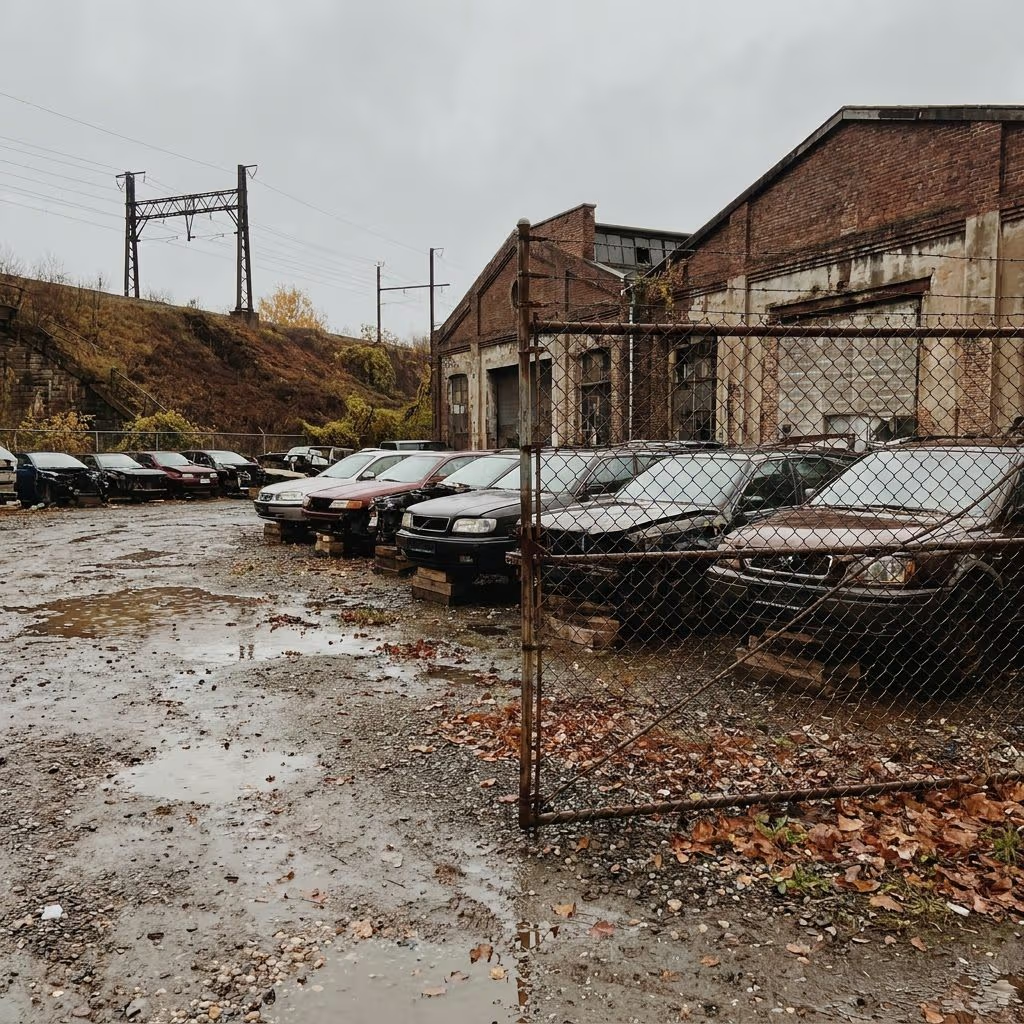
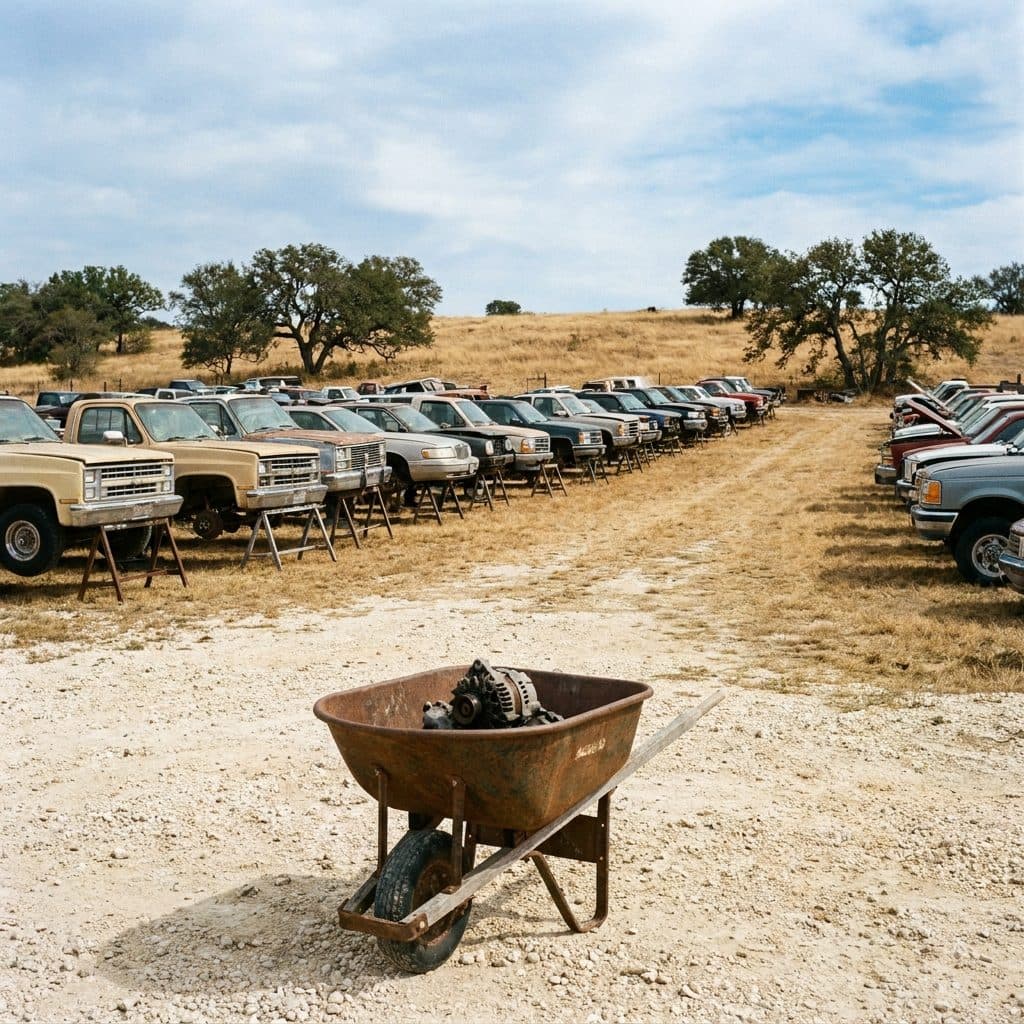
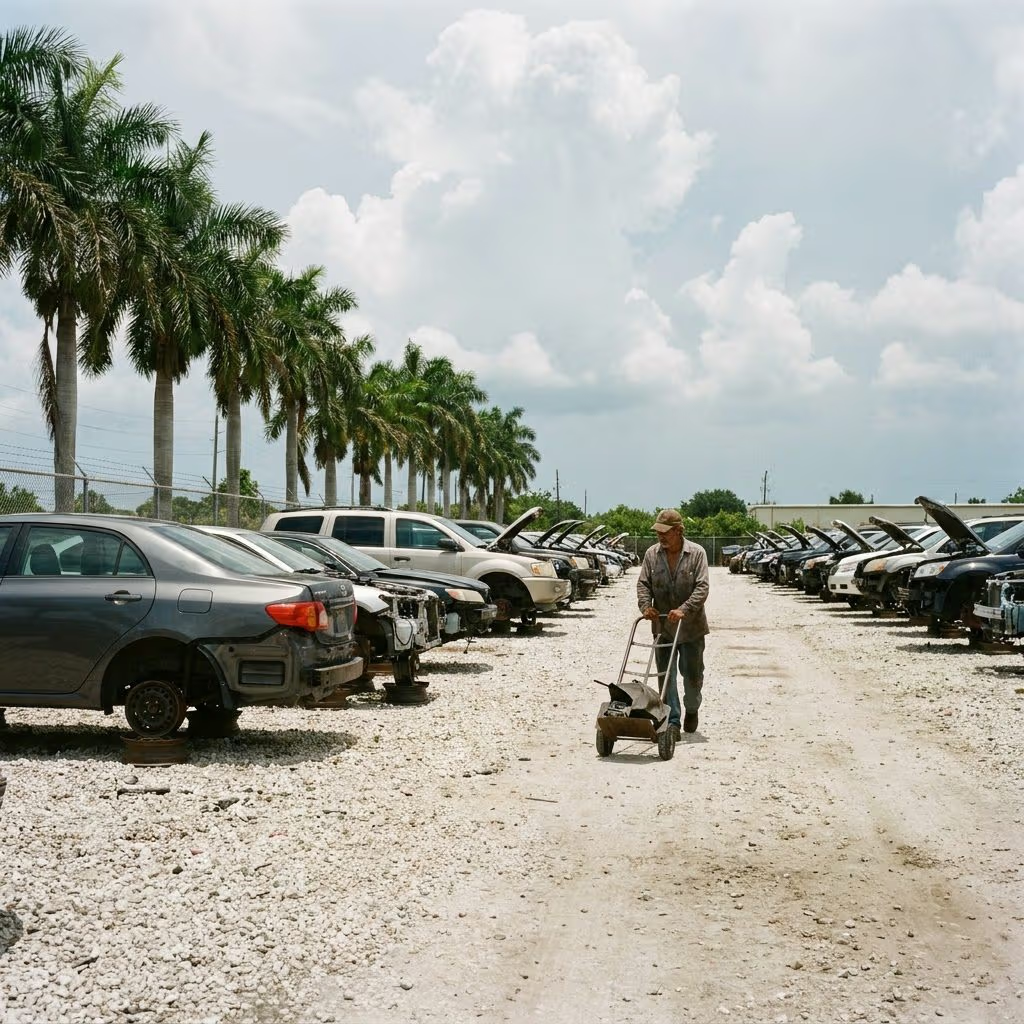
The convertible top system is complex, involving mechanical, hydraulic, and electrical elements that make salvaged parts highly sought after, especially for older or discontinued models. When sourcing these parts, many buyers turn to their closest junk yard to find quality OEM parts at fraction of retail cost.
Most Valuable Salvageable Parts
Understanding which parts hold the highest value is crucial for successful salvaging operations. The most profitable salvageable elements include:
Frame assemblies – The structural foundation of the convertible top system
Seals and weatherstripping – Critical for preventing water leaks and maintaining cabin comfort
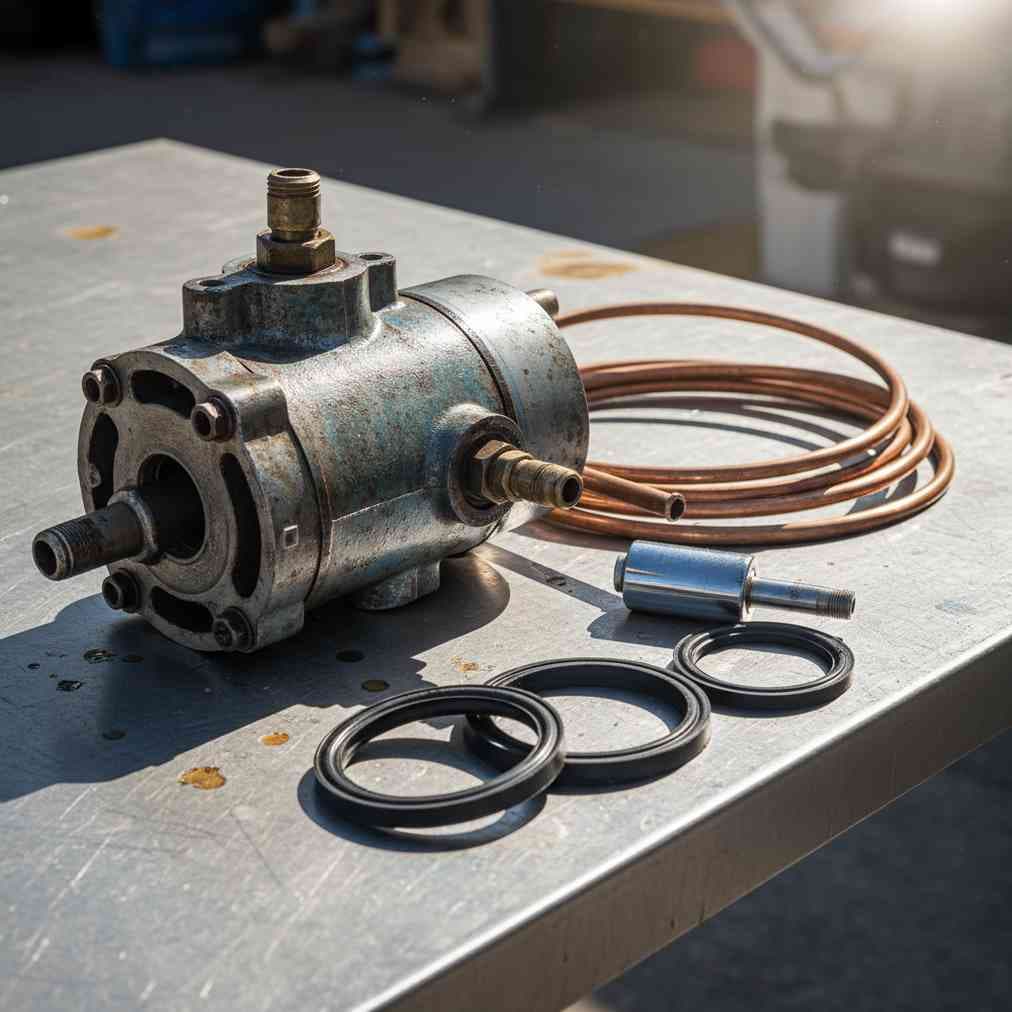
Power motors and hydraulic pumps – Expensive electrical and mechanical systems that control top operation
Control modules – Electronic brain units that manage the conversion process
Mechanical linkages – Arms, joints, and connecting hardware
Key Benefits of Buying Used Convertible Top Parts
Purchasing used convertible top parts offers several compelling advantages for both repair shops and vehicle owners:
Significant Cost Savings
Used parts are considerably cheaper than new ones, sometimes up to 75% less expensive, making repairs more budget-friendly. This dramatic cost reduction makes convertible ownership more accessible and affordable for enthusiasts working with limited budgets.
OEM Quality and Authenticity
Salvaged Original Equipment Manufacturer (OEM) parts are often considered better quality than new aftermarket parts, as they have a proven track record of meeting manufacturer standards. These parts ensure proper fit and function, eliminating compatibility issues common with generic replacements. For those looking to maintain their vehicle's value, OEM parts from salvage yards provide the perfect solution.
Availability for Discontinued Models
For older vehicles where convertible top parts may be discontinued or difficult to source new, salvage yards provide an essential supply of affordable, functional parts. This availability is particularly valuable for classic car restoration projects and vintage convertible maintenance.
Comprehensive Inspection Checklist for Salvaged Parts
When evaluating a salvaged convertible top mechanism, a thorough, systematic inspection is necessary, focusing on structural integrity, sealing quality, and power system functionality. Proper inspection ensures you're investing in parts that will provide reliable service.
Frame and Structure Assessment
The frame serves as the foundation of the entire convertible top system. Any structural defect can render the entire assembly problematic and unsafe.
Part
Inspection Step
Warning Signs
Structural Integrity
Check for bends, twists, or stress fractures in the metal framework
Visible bending, non-straight alignment, or significant rust compromising metal strength
Alignment
Test the overall geometry of the frame
Any misalignment that would prevent the top from closing or latching correctly
Mounting Points
Verify that all brackets and attachment points are intact
Broken or heavily corroded mounting hardware
Joint Functionality
Manually check pivot points and locking mechanisms
Stiff, seized, or excessively loose joints
Seals and Weatherstripping Evaluation
Seals are critical for preventing leaks and are highly susceptible to age-related degradation. According to convertible maintenance experts, seals are considered a “vital safety feature” that must be replaced if damaged.
Part
Inspection Step
Warning Signs
Elasticity/Texture
Feel the rubber/vinyl material for flexibility
Seals that feel brittle, hard, or excessively soft/tacky
Surface Condition
Look closely for signs of wear on the entire length
Cracks, splits, deep gouges, or missing sections
Adhesion
Check where seals attach to frame or body
Areas where the seal is peeling away or has been poorly re-glued
Motors and Hydraulic Systems Inspection
Power systems are complex and expensive to repair, making thorough testing paramount before purchase or resale.
Part
Inspection Step
Warning Signs
Hydraulic Pump/Cylinders
Visually inspect pump housing and lines
Any evidence of hydraulic fluid leaks on pump, lines, or cylinders
Motor Functionality
Bench-test or test in vehicle if possible
Grinding noises, excessive strain, or failure to operate smoothly
Electrical Connections
Inspect wiring harness, connectors, and control modules
Frayed wires, corroded terminals, or visible damage to control module casing
Legal Documentation Requirements
Proper documentation is crucial for selling salvaged parts legally and building buyer confidence. New York DMV salvage vehicle examination procedures require thorough documentation for major part replacements, including convertible top systems.
Essential Documentation
Bills of sale with complete part descriptions
Proof of ownership for the source vehicle
Inspection reports detailing part condition
Test results for motor and hydraulic system operation
Photographs showing seal and frame condition
According to salvage inspection experts, having complete documentation not only ensures legal compliance but also significantly increases buyer confidence and resale value.
Testing and Quality Assurance Procedures
If the part is being sold as a complete assembly that can be tested, comprehensive operational testing is essential:
Complete Operation Cycle Test
Full cycle operation – Test the top through complete open and close cycles multiple times
Smooth operation check – Look for operation without stalling, juddering, or loud abnormal noises
Timing assessment – Verify normal operation speed and consistent timing
Safety system verification – Test all safety stops and emergency features
Storage Area Inspection
Inspect the trunk area where the top stows for any collateral damage or obstructions, as this can prevent the system from operating correctly and may indicate previous damage or poor maintenance.
Market Trends and Expert Insights
“Mechanics advise that any juddering, loud noises, or sticking during roof operation indicates a major potential problem, as electrical and hydraulic systems are rarely easy or cheap to fix.”
Current market trends show increasing demand for quality salvaged convertible parts, particularly for vintage and classic vehicles. The growing popularity of convertible restoration projects has created a robust market for well-documented, thoroughly tested salvaged parts.
Parts scarcity – Many convertible parts are no longer manufactured
Quality premium – Well-documented, tested parts command higher prices
Seasonal fluctuations – Demand typically peaks in spring and summer months
Selling Strategies and Best Practices
Successful convertible top part sales require strategic approaches that maximize value while building customer trust.
Inventory Management
Salvage yards are constantly updating inventory, and many encourage buyers to sign up for text notifications for specific makes and models they are seeking. This approach helps match supply with demand efficiently.
Pricing Strategies
Research retail prices – Know new part costs to price competitively
Condition-based pricing – Adjust prices based on thorough inspection results
Bundle opportunities – Offer complete systems at package pricing
Warranty considerations – While parts are sold “AS IS – WHERE IS,” clear documentation adds value
Environmental Impact and Sustainability
Buying used convertible top parts significantly reduces environmental impact by decreasing demand for new manufacturing, which conserves resources and reduces pollution associated with production and waste. This sustainable approach to automotive repair aligns with growing environmental consciousness among consumers.
For those looking to responsibly dispose of their old convertible, getting an instant quote for junk car removal ensures proper recycling and environmental stewardship while providing fair compensation.
Common Challenges and Solutions
Understanding common challenges in convertible top salvage helps both buyers and sellers navigate potential issues effectively.
Technical Challenges
Complexity assessment – Multiple interconnected systems require comprehensive evaluation
Age-related degradation – Rubber and fabric parts deteriorate over time
Model-specific variations – Different years and trim levels may have unique parts
Testing limitations – Some systems require vehicle integration for proper testing
Solutions and Best Practices
Detailed photography – Document all aspects of part condition
Model verification – Confirm exact compatibility with buyer's vehicle
Professional assessment – Consider expert evaluation for high-value systems
Clear communication – Provide honest assessments of part condition and limitations
Future Market Outlook
The market for salvaged convertible tops and mechanisms continues to evolve with changing automotive trends. As manufacturers discontinue certain models and focus on new technologies, the value of quality salvaged convertible parts is expected to increase, particularly for classic and collector vehicles.
Successfully salvaging and selling convertible tops and mechanisms requires meticulous attention to detail, thorough documentation, and honest assessment of part condition. By following proper inspection procedures and maintaining high standards for quality and documentation, sellers can build reputation and command premium prices in this specialized market niche.