How to Use VIN-Decoders and Parts Compatibility Tools Effectively
Understanding VIN Structure for Parts Compatibility The effective use of Vehicle Identification Number (VIN) decoders and parts compatibility tools is crucial for ensuring you purchase the correct auto parts, especially when dealing with used parts from salvage yards. Relying on just year, make, and model can lead to costly mistakes due to variations within the [...]
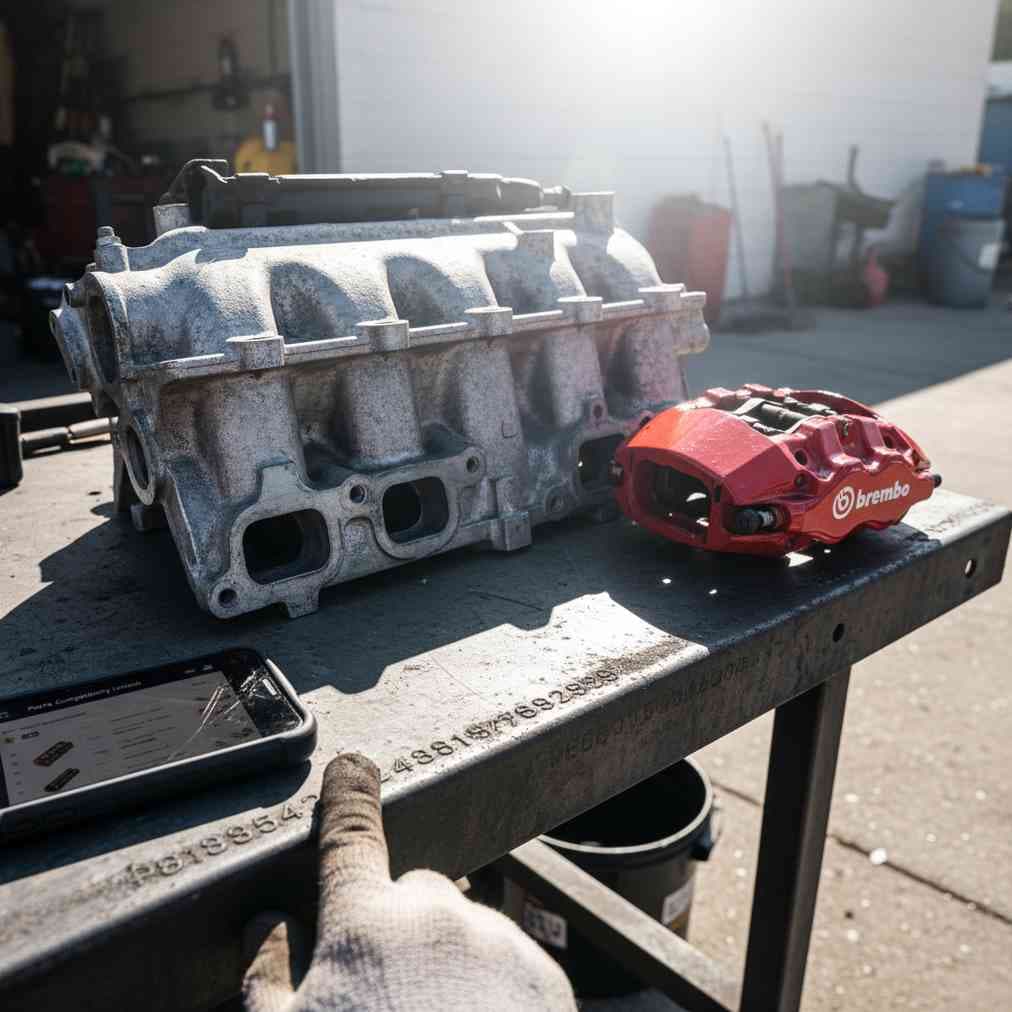
Photo by U-Pull-It
Understanding VIN Structure for Parts Compatibility
The effective use of Vehicle Identification Number (VIN) decoders and parts compatibility tools is crucial for ensuring you purchase the correct auto parts, especially when dealing with used parts from salvage yards. Relying on just year, make, and model can lead to costly mistakes due to variations within the same model year.
The 17-character VIN is structured into three main sections, each revealing specific data critical for parts matching:
World Manufacturer Identifier (WMI) – Characters 1-3
The first three characters identify the manufacturer and country of origin, which impacts brand-specific part requirements. This section tells you whether you're dealing with a Ford, Toyota, BMW, or any other manufacturer, each with their unique part specifications and compatibility requirements.
Vehicle Descriptor Section (VDS) – Characters 4-9
This section is the most critical for parts compatibility. It specifies the model, body type, restraint systems, transmission type, and engine code. Different engine codes within the same model often require completely different parts. For example, when buying a used Chevy Silverado 1500 transmission from a junkyard, the VDS section ensures you get the exact transmission type your vehicle needs.
Character 10 indicates the model year (for vehicles built after 1981). Character 11 identifies the assembly plant, which can be important for catching mid-year production changes that affect part fitment. This information is particularly valuable when sourcing OEM car parts from junkyards.
Best VIN Decoder Tools for 2025
For effective verification, experts suggest using a combination of official and commercial tools. Here are the best VIN decoders recommended for different needs:
VIN Decoder Tool
Best For
Key Features
NHTSA VIN Decoder
Official government data
Basic specifications, recall information
carVertical
Overall comprehensive reports
Fast service, government database integration
EpicVIN
Ease of use and free features
International VINs, market value reports
Vehicle Databases API
Dealerships and developers
Real-time decoding, OCR capabilities
NHTSA VIN Decoder: Recommended as a first stop for official government data, basic specifications, and recall information
Parts Retailer Integrated Tools: Services from O'Reilly Auto Parts and AutoZone allow you to shop directly for parts after VIN lookup, pre-filtering results for your specific vehicle
Specialized Platforms: Services like VinDecoderZ combine traditional VIN decoding with original EPC (Electronic Parts Catalog) data for higher accuracy
How to Use VIN Decoders Effectively
Effective use transforms parts shopping from guesswork to precision by revealing the vehicle's “DNA”. When using parts databases, inputting the full 17-digit VIN allows the system to pre-filter for compatible parts, streamlining the search process.
For complex parts like electronic control units or transmissions, cross-referencing the decoded VIN data with the Original Equipment Manufacturer (OEM) part number stamped on the old part is the highest level of verification. This approach is particularly important when you're looking for junkyards near me to source specific parts for your vehicle.
Mobile Technology Integration
Recent developments include mobile apps that allow for on-the-go verification. The VIN Decoder app on Google Play enables users to decode VINs directly at salvage yards, making the parts selection process more efficient and accurate.
Step-by-Step Parts Compatibility Verification Checklist
Following a systematic process minimizes the risk of purchasing incompatible parts. Here's a comprehensive checklist that professionals use:
Locate and Verify the VIN: Find the complete 17-character VIN on the dashboard (driver's side near the windshield), the driver's side door jamb, or registration documents
Use Multiple VIN Decoders: Cross-check the basic vehicle information using both a government source (like NHTSA) and a commercial parts-focused service
Extract Critical Specifications: Focus on Engine Code, Transmission Type, Trim Level, and Model Year
Input VIN into Parts Database: Use an integrated tool from a reputable parts supplier or salvage yard system
Cross-Reference Part Numbers: For critical parts, find the OEM part number stamped on the original part and verify compatibility
“Statistics indicate that approximately 25% of car breakdowns and mechanical failures are attributed to the use of incompatible or substandard parts.”
The automotive industry has seen significant adoption of VIN verification tools:
Professional Adoption: 85% of professional mechanics report using VIN checks as part of their standard diagnostic procedures
Consumer Trends: 78% of car owners performing their own maintenance use VIN decoding to verify parts compatibility, showing a 20% increase over the past five years
Expert Consensus: Professionals stress that relying solely on model year is insufficient, as engine and transmission options can vary significantly within the same model year
Common Mistakes to Avoid
Even with VIN decoders and compatibility tools, certain mistakes can lead to purchasing incorrect parts:
Relying Only on Year, Make, and Model: This approach ignores critical variations within the same model year
Using Incomplete VINs: Entering partial VIN numbers yields inaccurate results and compatibility errors
Ignoring Mid-Year Changes: Assembly plant information can reveal mid-year production changes that affect fitment
Skipping Cross-Reference Verification: Not comparing OEM part numbers with replacement parts can result in incompatible purchases
Overlooking Recall Information: Failing to check for recalls can lead to safety issues and warranty problems
For professional mechanics and serious DIY enthusiasts, advanced techniques can provide even greater accuracy in parts compatibility verification:
OCR Technology Integration
Modern VIN decoder API providers now incorporate Optical Character Recognition (OCR) technology, reducing manual entry errors and speeding up the decoding process. This is particularly useful in commercial environments like dealerships and salvage yards.
Cross-Platform Integration
Advanced users combine multiple platforms for comprehensive verification. For example, using J.D. Power's VIN lookup for market value information alongside technical decoders for parts compatibility creates a complete picture of vehicle specifications and value.
Cost Savings Through Proper VIN Verification
Proper use of VIN decoders and parts compatibility tools can result in significant cost savings. When you know exactly what parts your vehicle requires, you can:
Avoid Return Costs: Purchasing the correct part the first time eliminates return shipping and restocking fees
Prevent Installation Errors: Compatible parts reduce labor costs associated with incorrect installations
Access Better Pricing: Knowing exact part numbers allows for better price comparison across multiple suppliers
Maximize Salvage Value: When it's time to get cash for cars, accurate VIN information helps determine the true value of your vehicle
Future Trends in VIN Decoding
The VIN decoding industry continues to evolve with several emerging trends:
AI-Powered Matching: Advanced algorithms now cross-reference VIN data with parts inventories to provide exact matches and suggest interchangeable parts from other models
Real-Time Inventory Integration: Parts suppliers increasingly use VIN decoding during intake to immediately flag and remove recalled parts from their inventory listings
Mobile-First Approach:Modern VIN decoder software prioritizes mobile functionality for on-the-go verification at salvage yards and auto parts stores
Blockchain Integration: Some platforms are exploring blockchain technology for immutable vehicle history records
Best Practices for Salvage Yard Shopping
When shopping at salvage yards, VIN verification becomes even more critical due to the used nature of parts. Here are best practices for using VIN decoders in salvage environments:
Pre-Visit Preparation: Decode your VIN before visiting the salvage yard to know exactly what you need
Mobile Verification: Use mobile apps to verify part compatibility on-site
Cross-Check Donor Vehicles: Verify that donor vehicles match your specifications using their VINs
Document Part Numbers: Record both OEM part numbers and VIN information for warranty purposes
Verify Installation Requirements: Ensure you have all necessary brackets, connectors, and hardware
This systematic approach is particularly valuable when searching for specific parts like used OEM Toyota Camry parts at local junkyards, where part variations can be subtle but critical.
Conclusion: Maximizing Your Parts Compatibility Success
The effective use of VIN decoders and parts compatibility tools transforms auto parts purchasing from a guessing game into a precise science. By understanding VIN structure, using reliable decoder tools, and following systematic verification processes, you can ensure compatibility, save money, and avoid costly mistakes.
Whether you're a professional mechanic, a DIY enthusiast, or someone looking to maintain their vehicle cost-effectively, mastering these tools and techniques will serve you well. The investment in proper VIN verification pays dividends in reduced returns, faster repairs, and improved vehicle reliability.
Remember that the automotive industry continues to evolve, with new technologies and integration methods constantly improving the accuracy and convenience of VIN decoding and parts compatibility verification. Staying informed about these developments will help you make the most of these valuable tools in your automotive endeavors.