How to Value a Junk Car: Quick Methods for Sellers and Buyers
Understanding the Fundamentals of Junk Car Valuation Valuing a junk car effectively requires understanding two primary approaches: scrap metal value and parts resale value. Whether you're looking to sell a junk car or purchase one for parts, these quick appraisal methods will help you determine fair market value and negotiate better deals. The junk car [...]
Understanding the Fundamentals of Junk Car Valuation
Valuing a junk car effectively requires understanding two primary approaches: scrap metal value and parts resale value. Whether you're looking to sell a junk car or purchase one for parts, these quick appraisal methods will help you determine fair market value and negotiate better deals.
The junk car market has evolved significantly, with scrap metal prices fluctuating between $140-$190 per ton as of 2025. Understanding these market dynamics is crucial for both sellers seeking maximum returns and buyers looking for profitable investments.
Key Factors That Determine Junk Car Value
Scrap Metal Market Conditions
The baseline value of any junk car stems from its scrap metal content. Current market data shows scrap prices ranging from $140 to $190 per ton, with seasonal fluctuations affecting final payouts. A typical mid-size car weighing approximately 3,750 pounds can yield between $260 to $355 in pure scrap value.
Steel content: Forms the bulk of vehicle weight and value
Aluminum components: Command premium prices over steel
Copper wiring: Adds significant value when intact
Market timing: Summer months typically offer 10-15% higher prices
High-Value Salvageable Components
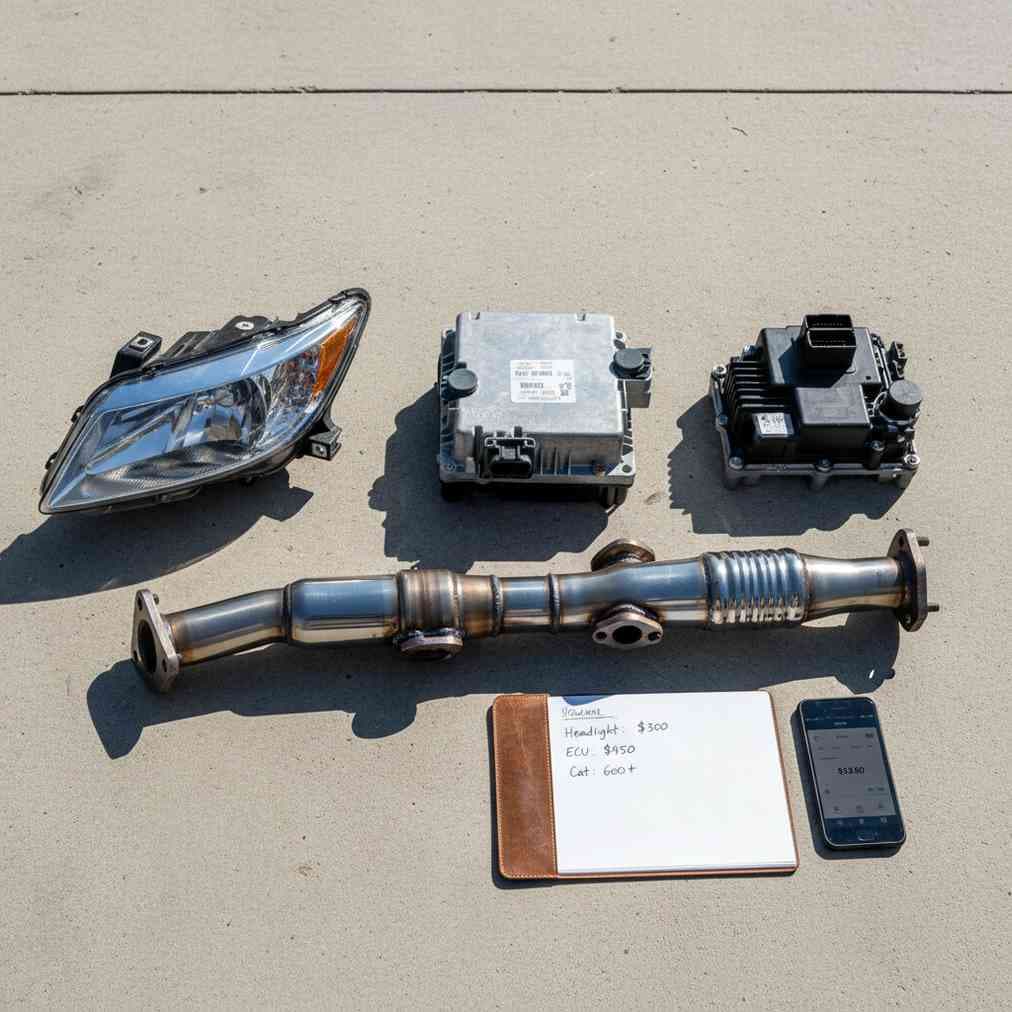
Parts value often exceeds scrap value, especially for popular models or vehicles with functional systems. Professional buyers calculate quotes based on the resale potential of individual components.
Component
Potential Value Range
Market Demand
Catalytic Converters
$50 – $1,500
Very High
Engine (Functional)
$500 – $2,000
High
Transmission
$300 – $1,200
High
Alloy Wheels (Set of 4)
$100 – $800
Medium-High
Electronics/GPS
$50 – $300
Medium
Vehicle-Specific Factors
Certain vehicle characteristics dramatically impact valuation. Professional appraisers consider these elements when determining fair market value.
Make and Model: Toyota, Honda, and Ford F-150 parts maintain high demand
Year and Condition: Newer models (post-2010) command premium prices
Completeness: Vehicles with intact major components worth 30-50% above scrap
Title Status: Clean, transferable titles add $50-$150 to offers
The most straightforward valuation approach uses a simple weight-based formula. This method provides the minimum guaranteed value for any junk vehicle.
Scrap Value Formula: Vehicle Weight (in tons) × Current Scrap Price Per Ton = Base Scrap Value
Step-by-Step Scrap Calculation
Step 1: Determine vehicle weight (check manufacturer specs or estimate by model)
Step 2: Convert weight to tons (divide pounds by 2,000)
For buyers planning to part out vehicles or sellers with high-value components, the parts-based approach often yields significantly higher returns than scrap value alone.
Parts Value Assessment Process
Inventory Assessment: Catalog all functional and damaged components
Market Research: Check local junkyards and online marketplaces for similar parts
Condition Grading: Rate each component's condition (excellent, good, fair, poor)
In this example, the parts-out value of $1,750 significantly exceeds the scrap value of $309, demonstrating the importance of component-based valuation for certain vehicles.
Salvage Vehicle Valuation for Repairable Cars
Vehicles with repair potential require different valuation methods. Salvage car pricing considers pre-damage value, repair costs, and market demand for restored vehicles.
Salvage Value Formula: Pre-Damage Market Value – (Depreciation Percentage × Pre-Damage Value) – Estimated Repair Costs = Salvage Value
Salvage Calculation Factors
Pre-damage value: Research similar vehicles in good condition
Damage assessment: Professional inspection recommended
Repair cost estimation: Include parts, labor, and hidden damage
Market depreciation: Typically 20-50% for salvage titles
Resale potential: Consider final market value after repairs
Regional Market Variations and Timing Strategies
Geographic location and seasonal timing significantly impact junk car values. Understanding these patterns helps optimize selling and buying decisions.
Geographic Price Variations
Urban areas: Higher competition among buyers, better prices
Coastal areas: Higher parts demand due to salt corrosion issues
Seasonal Market Trends
Market data reveals consistent seasonal patterns in junk car pricing. Selling car parts strategically during peak demand periods maximizes returns.
Season
Price Trend
Market Conditions
Best Strategy
Spring/Summer
Peak prices (+10-15%)
High construction demand
Optimal selling time
Fall
Moderate prices
Steady demand
Good selling window
Winter
Lower prices (-5-10%)
Reduced processing
Buyer's market
Current Market Trends and Future Outlook
The junk car industry continues evolving with technological advances and changing consumer behaviors. Several key trends are reshaping valuation methods.
Electric Vehicle Impact
Growing EV adoption is creating new opportunities in the salvage market. Electric vehicle parts command premium prices due to specialized components and limited availability.
Battery packs: High-value components with precious metals
Electric motors: Simpler construction, longer lifespan
Control modules: Advanced electronics with strong resale value
Charging infrastructure: Growing demand for replacement parts
Technology-Enhanced Valuation
Modern valuation tools provide more accurate assessments by combining multiple data sources. These technological advances benefit both buyers and sellers through improved price transparency.
Real-time pricing data: Integration with commodity markets
Parts demand analytics: AI-driven market predictions
Mobile assessment apps: Instant photo-based evaluations
Blockchain documentation: Improved title and history verification
Negotiation Strategies and Best Practices
For Sellers: Maximizing Your Return
Effective preparation and negotiation can significantly increase your junk car's sale price. Understanding buyer motivations and market conditions provides crucial leverage.
Document everything: Gather title, maintenance records, and receipts
Highlight valuable components: Point out functional parts and recent repairs
Consider parting out: High-value components may warrant separate sales
Time your sale: Take advantage of seasonal price peaks
For Buyers: Identifying Profitable Opportunities
Successful junk car buyers develop systematic approaches to identify undervalued vehicles with strong profit potential.
Focus on popular models: Higher parts demand ensures better resale
Assess total cost: Include transportation, storage, and processing expenses
Develop buyer networks: Build relationships with parts customers
Understand regulations: Comply with local salvage and environmental laws
Track market trends: Monitor pricing patterns and demand shifts
Common Valuation Mistakes to Avoid
Both buyers and sellers frequently make costly errors when valuing junk cars. Avoiding these common mistakes can save thousands of dollars and prevent frustrating experiences.
Seller Mistakes
Accepting first offer: Always compare multiple quotes
Ignoring parts value: Don't settle for scrap-only pricing
Poor timing: Avoid selling during low-demand periods
Inadequate documentation: Missing titles can significantly reduce offers
Overlooking valuable components: Research high-value parts before selling
Buyer Mistakes
Overestimating parts value: Account for processing time and costs
Legal compliance issues: Ensure proper licensing and environmental compliance
Quick Reference Valuation Checklist
Use this comprehensive checklist to quickly assess any junk car's value using multiple methods. This systematic approach ensures accurate valuations for both buying and selling decisions.
Assessment Step
Key Factors
Documentation Needed
Vehicle Information
Year, make, model, engine, mileage
Title, registration, service records
Physical Condition
Body damage, interior wear, missing parts
Photos, inspection notes
Mechanical Status
Engine, transmission, electrical systems
Recent repair invoices, diagnostic reports
High-Value Components
Catalytic converter, wheels, electronics
Parts condition assessment
Market Research
Scrap prices, parts demand, local rates
Multiple quotes, price comparisons
Conclusion: Maximizing Your Junk Car Value
Effective junk car valuation combines multiple assessment methods to determine true market value. Whether using the simple scrap formula for quick estimates or conducting detailed parts analysis for maximum returns, understanding these techniques empowers both sellers and buyers to make informed decisions.
The key to success lies in thorough preparation, market research, and timing. By considering scrap value as your baseline, evaluating high-demand components, and understanding regional market conditions, you can confidently navigate junk car transactions and achieve optimal results.
Remember that market conditions vary significantly by region and season, so staying informed about current trends ensures you capture the best possible value for your junk car investment.