Is the Junkyard Dangerous? Separating Myth from Reality
Separating Myth from Reality: The Truth About Junkyard Safety The perception of a self-service salvage yard as a dangerous place is often a mix of outdated stereotypes and real, manageable risks. Modern, reputable yards implement comprehensive safety measures, but visitors must also take personal responsibility for their safety. Understanding the difference between Hollywood myths and [...]
Article image
Separating Myth from Reality: The Truth About Junkyard Safety
The perception of a self-service salvage yard as a dangerous place is often a mix of outdated stereotypes and real, manageable risks. Modern, reputable yards implement comprehensive safety measures, but visitors must also take personal responsibility for their safety. Understanding the difference between Hollywood myths and actual hazards can help you navigate junkyards near me with confidence and security.
Whether you're searching for affordable auto parts or considering selling your junk car for cash, separating fact from fiction about junkyard safety is crucial for a successful and secure experience.
Common Junkyard Myths vs Reality
Fear/Myth
Reality & Context
Myth: Cars will suddenly fall on you
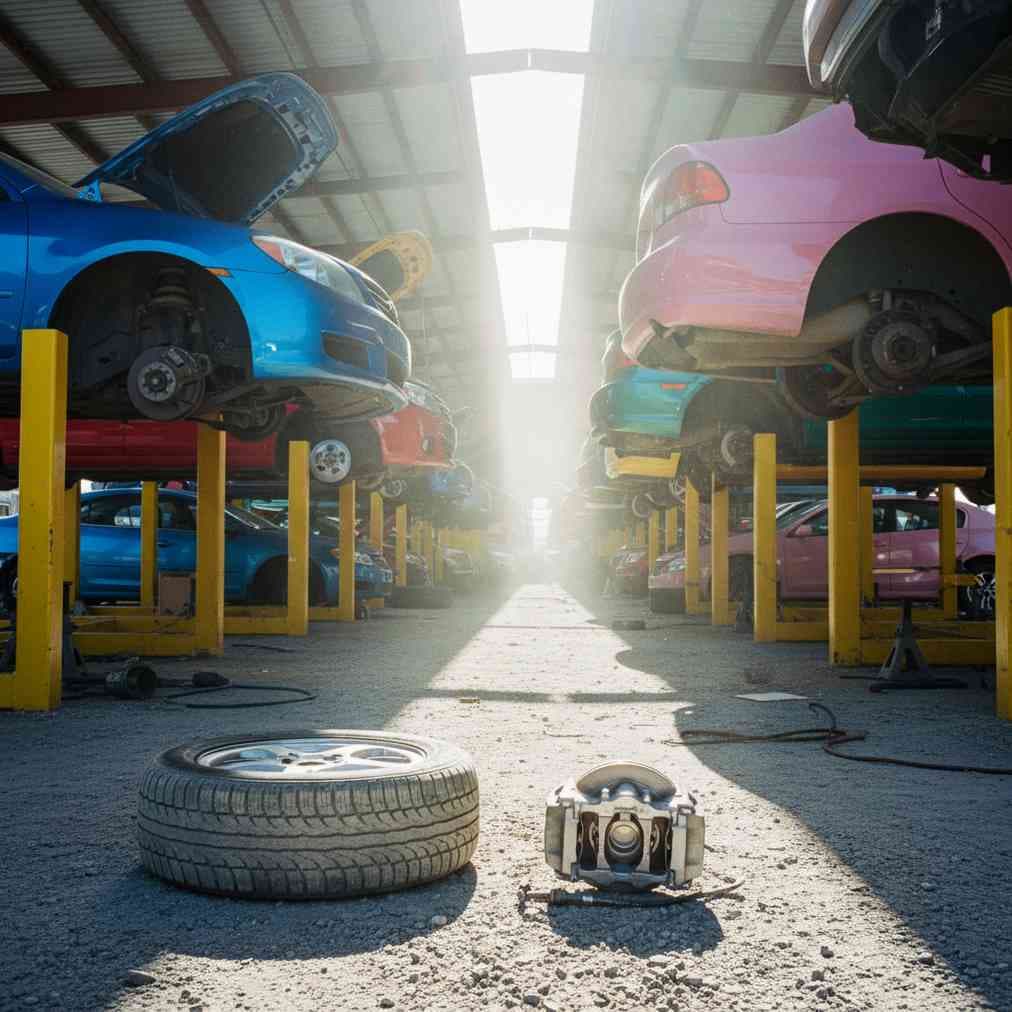
Reputable self-service yards take measures to stabilize vehicles. Cars are typically placed on blocks or stands, and many yards prohibit customer use of jacks for safety reasons. Vehicles are positioned to prevent sudden collapse during part removal.
Myth: The yard is full of “sketchy people”
While the atmosphere is industrial and adventurous, modern yards are often organized by make or model and have staff present. The primary concern is usually the physical environment, not other customers, provided you stay in designated areas.
Myth: Everything is safe and clean
Reality: Salvage yards inherently involve hazards. They contain heavy, sharp objects, uneven terrain, and potential exposure to fluids or debris. Proper preparation is essential.
Real Risks and How to Mitigate Them
The primary dangers in a self-service salvage yard are physical hazards that can be effectively managed with proper precautions and awareness. According to recent data analysis techniques used to study workplace safety, most junkyard injuries are preventable with appropriate safety measures.
1. Sharp Metal and Debris
Risk: Cuts, scrapes, and punctures from jagged metal edges, broken glass, or rusty parts are very common
Mitigation: Wear heavy-duty, puncture-resistant gloves as a minimum requirement
Consider bringing multiple pairs in case one gets damaged
Inspect gloves regularly for tears or worn spots
2. Falling Objects & Heavy Lifting
Risk: Injury from dropping heavy parts (like engines or transmissions) or from objects falling off stacked vehicles
Mitigation strategies:
Wear sturdy, closed-toe shoes or boots (steel-toed boots are ideal)
Bring help for removing large, bulky parts
Use proper lifting techniques (bend with your knees)
Utilize wheelbarrows provided by the yard
Consider safety glasses or goggles to protect eyes from dust or pressurized fluids
3. Environmental Hazards and Hazardous Materials
Risk: Exposure to residual hydrocarbons, biohazardous waste, or wildlife inhabiting vehicle interiors
Mitigation:
Avoid puddles or pooled liquids, which could be oil or other unsafe substances
Never use tools with open flames (most yards prohibit cutting torches)
Be aware of your surroundings and watch for critters like rodents
Wear long pants and long sleeves for additional protection
Essential Safety Equipment and Preparation
To ensure your savings aren't offset by an emergency room visit, proper preparation is absolutely essential. Modern safety research emphasizes the importance of personal protective equipment in industrial environments.
Required Safety Gear
Heavy-duty work gloves: Puncture-resistant and properly fitted
Safety glasses or goggles: Protection from debris and fluids
Steel-toed boots: Closed-toe shoes at minimum, steel-toed preferred
Long pants: Preferably jeans or work pants for leg protection
Long-sleeved shirt: Additional protection from cuts and scrapes
Tools and Equipment
Bring necessary tools as yards usually don't provide them
Check the yard's specific list of approved tools beforehand
Consider a small first aid kit for minor cuts
Bring a flashlight for inspecting dark areas
Pack work gloves extras in case of damage
Safe Operating Procedures at the Yard
Following established safety protocols can significantly reduce your risk of injury while searching for affordable used car parts. These procedures are based on industry best practices and years of operational experience.
Before You Start
Stay alert: Do not visit if under the influence of alcohol or drugs
Notify someone: Let someone know where you're going and when you expect to return
Review yard rules: Each facility has specific safety requirements
While Working
Inspect before you buy: Thoroughly examine parts for hidden damage
Know your limits: Don't attempt to remove parts that are too heavy or require unsafe maneuvering
Ask for help: Bring an assistant or request yard staff assistance
Stay in designated areas: Don't wander into restricted zones
Watch for moving equipment: Be aware of forklifts, crushers, and other machinery
Understanding Modern Junkyard Operations
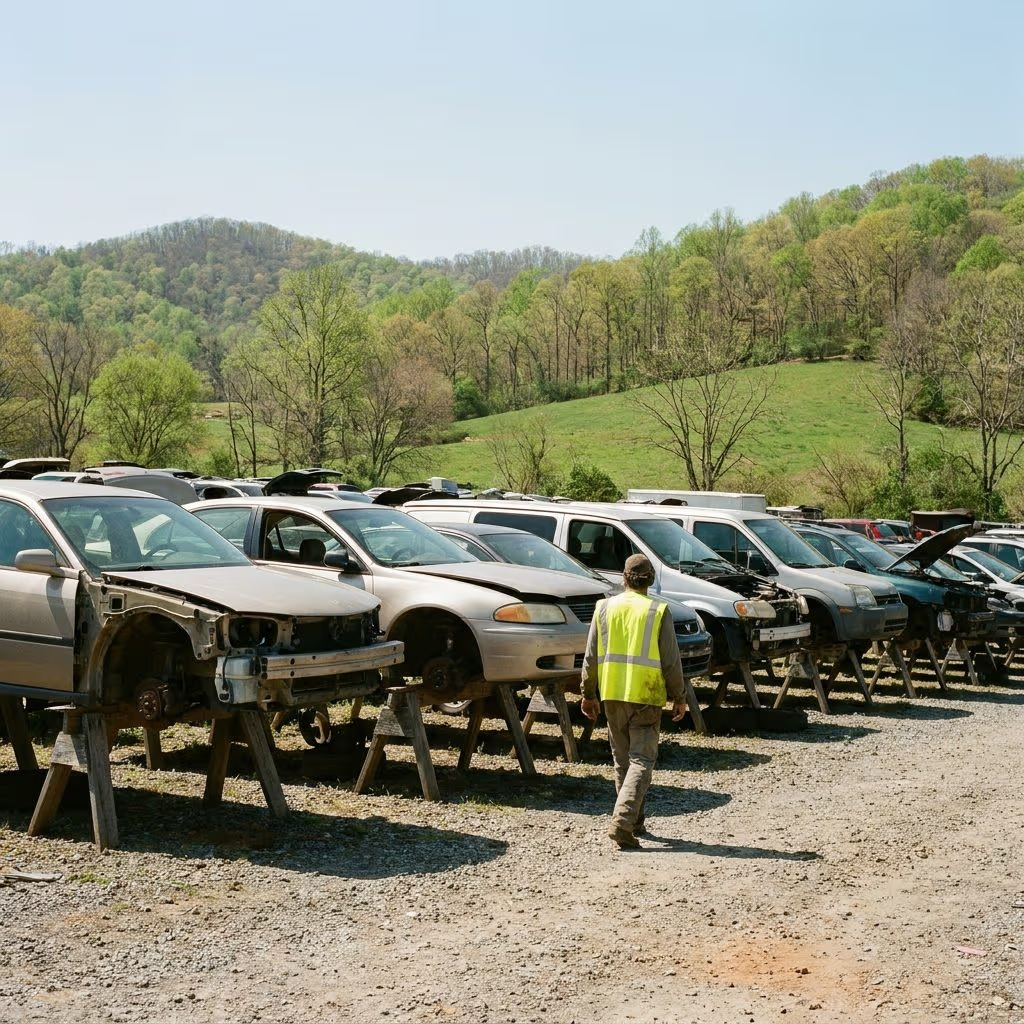
Today's auto salvage yards are far more organized and safety-conscious than their predecessors. Many operate like outdoor retail stores, with clear organization systems and professional staff. Understanding how these facilities work can help you navigate them more safely and efficiently.
Organization and Layout
Vehicle organization: Many yards sort by make, model, or year
Clear pathways: Designated walking and driving routes
Staff presence: Professional employees monitor safety and assist customers
Safety equipment: First aid stations and emergency contacts posted
Quality Control Measures
Regular inspection of vehicle stability
Removal of hazardous materials before customer access
Clear marking of unsafe areas or vehicles
Professional drainage of fluids
Special Considerations for Different Vehicle Types
Different types of vehicles present unique safety challenges. From electric vehicle parts to heavy-duty trucks, understanding these differences is crucial for safe operations.
Electric and Hybrid Vehicles
High voltage systems: Require special training and equipment
Battery safety: Potential for chemical exposure or fire
Professional handling: Most yards restrict customer access to EV high-voltage parts
Large Trucks and SUVs
Height concerns: Increased fall risk when accessing elevated parts
Weight factors: Heavier parts require additional assistance
Stability issues: Larger vehicles may be less stable when parts are removed
What to Do If Something Goes Wrong
Despite all precautions, accidents can still occur. Knowing how to respond appropriately can minimize injury severity and ensure proper treatment. Recent research in emergency response emphasizes the importance of immediate proper action.
Immediate Response Steps
Stop activity immediately: Don't continue working if injured
Assess the situation: Determine severity of injury
Seek help: Notify yard staff immediately
Document the incident: Take photos if safe to do so
Get medical attention: Don't ignore seemingly minor injuries
Prevention is Key
Regular safety training: Stay updated on best practices
Equipment maintenance: Keep tools in good condition
Physical fitness: Maintain strength and flexibility for heavy lifting
Experience building: Start with simpler parts before tackling complex removals
Cost-Benefit Analysis: Safety vs. Savings
While the primary motivation for visiting junkyards is often financial savings, it's important to weigh these benefits against safety costs. A single injury can quickly eliminate any monetary advantages gained from cheap used auto parts.
Safety Investment
Cost
Potential Savings from Preventing Injury
Quality work gloves
$15-30
$200-2,000 in medical costs
Steel-toed boots
$50-150
$1,000-10,000+ in medical/lost work costs
Safety glasses
$10-25
$500-5,000+ in eye injury treatment
Basic first aid kit
$20-40
Prevents minor cuts from becoming infected
Building Confidence Through Knowledge
Understanding the reality of junkyard safety helps build the confidence needed to successfully navigate these facilities. Knowledge of proper procedures, combined with appropriate safety equipment, transforms what many perceive as a dangerous environment into a manageable and profitable experience.
Modern salvage yards have evolved significantly from the stereotypical image portrayed in movies and television. Today's facilities prioritize customer safety while providing access to affordable, quality used auto parts. By separating myth from reality and following established safety protocols, you can confidently explore the money-saving opportunities that salvage yards offer while minimizing risks.
Remember that preparation and awareness are your best tools for staying safe. With proper equipment, realistic expectations, and respect for the inherent hazards, your junkyard experience can be both safe and rewarding. The key is approaching these facilities with the right mindset: they're not inherently dangerous, but they do require caution, preparation, and common sense.