The Battle Begins: When Used Auto Parts Turn Against You The dream of finding affordable used auto parts at salvage yards near me can quickly turn into a mechanical nightmare. Whether you're visiting LKQ Pick Your Part Houston or a local junkyard near me, the reality is that parts don't always cooperate. From seized bolts [...]
Article image
The Battle Begins: When Used Auto Parts Turn Against You
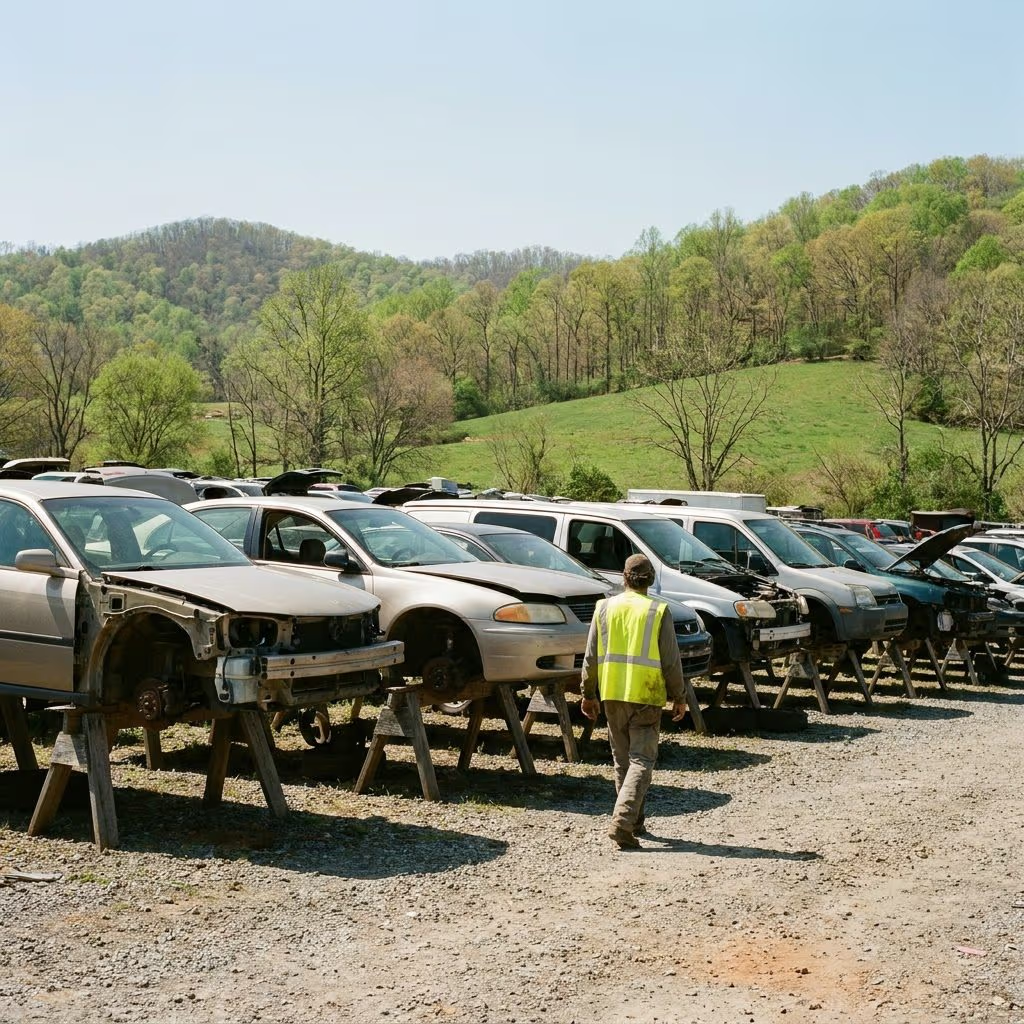
The dream of finding affordable used auto parts at salvage yards near me can quickly turn into a mechanical nightmare. Whether you're visiting LKQ Pick Your Part Houston or a local junkyard near me, the reality is that parts don't always cooperate. From seized bolts that refuse to budge to electronic modules that fail mysteriously, the junkyard experience can test even the most patient DIY mechanic.
The Rust Monster: When Corrosion Fights Back
Nothing strikes fear into a junkyard visitor's heart quite like the sight of a rusted bolt that's been exposed to years of road salt and moisture. These corroded fasteners become the primary antagonist in any parts-pulling adventure.
Seized Fasteners: The Immovable Objects
Rust essentially welds bolts to their threads, creating what mechanics call “rust welding.” What should be a simple 10-minute removal becomes an hours-long battle requiring specialized tools and techniques. Visitors to Pull-A-Part Knoxville often report spending entire afternoons fighting single bolts.
Penetrating oils become your best friend, but even these have limits
Heat application may be necessary but isn't always safe in a crowded yard
Impact wrenches can help, but many yards restrict their use
Manual extraction often results in stripped bolt heads
The Catastrophic Snap: When Bolts Break
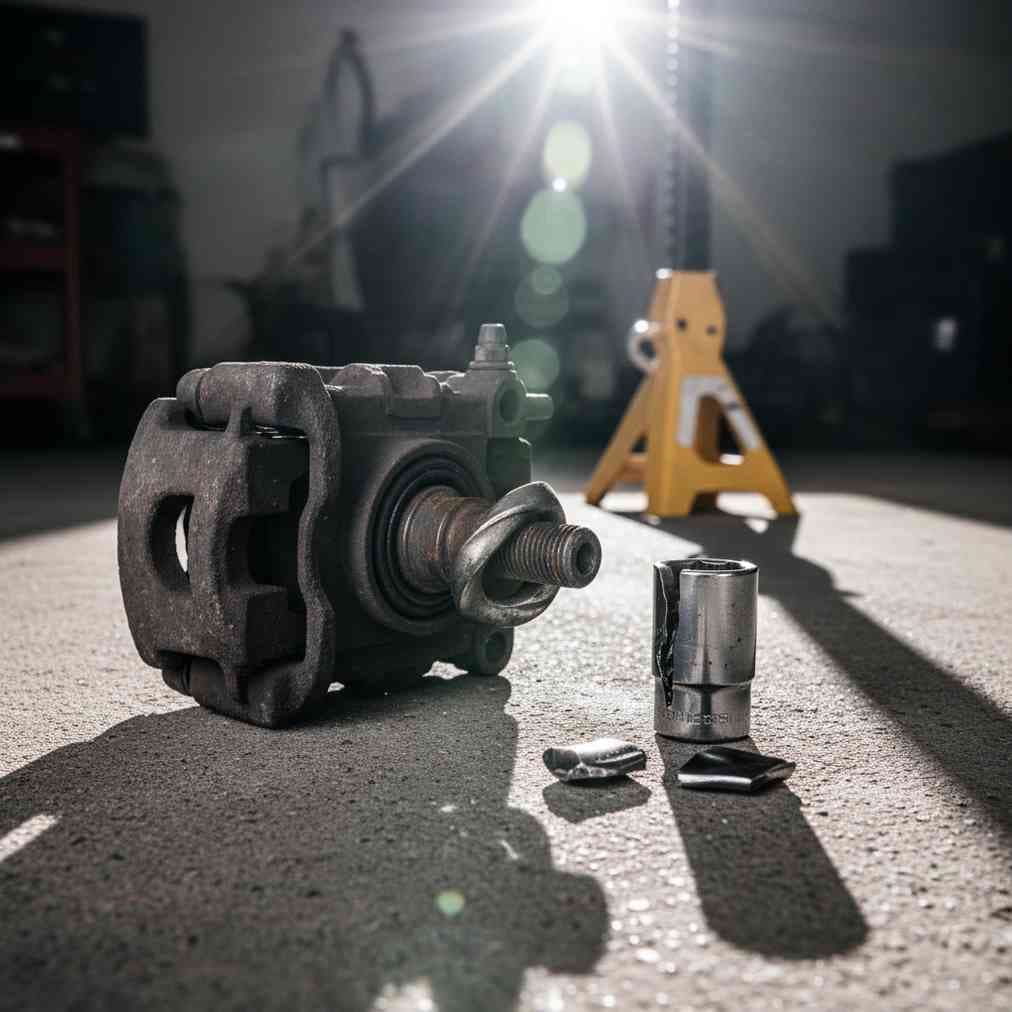
The metallic “ping” of a snapping bolt is every junkyard visitor's nightmare. When a corroded fastener breaks flush with the surface, your simple parts pull transforms into a complex extraction job requiring drilling, tapping, and rethreading.
Bolt Location
Breakage Risk
Difficulty Level
Time Impact
Exhaust manifolds
Very High
Expert
3-4 hours
Suspension components
High
Advanced
2-3 hours
Engine accessories
Medium
Intermediate
1-2 hours
Interior trim
Low
Beginner
15-30 minutes
The Quality Gamble: Bad Parts and Broken Dreams
Even after successfully extracting a part, the real test begins when you install it. Used parts carry inherent risks that new parts simply don't have, and sometimes these risks manifest in spectacular failures.
Electronics: The Ultimate Lottery Ticket
Electronic control modules, radios, and instrument clusters represent the highest-risk purchases at any salvage yard. Unlike mechanical parts that show obvious wear, electronic components can appear perfect while harboring invisible failures.
“I bought what looked like a perfect ECM from LKQ Orlando, but it kept throwing the same codes as my original unit. Turned out the replacement had the same internal failure – just hadn't manifested symptoms yet.”
– Anonymous mechanic's forum post
The Chain Store Conundrum
Large chains like LKQ have generated their share of customer complaints, particularly regarding inventory assessment and pricing policies. Research methodology shows common complaints include:
Partial parts sold at full price (tailgates missing hardware)
Stripped assemblies with missing components
Quality control issues with high-value items
Inventory discrepancies between online listings and actual stock
The Strip Mining Effect: When Previous Customers Strike First
The “you-pull-it” model creates a unique problem: previous customers often partially dismantle assemblies, leaving subsequent visitors with incomplete parts at full price. This phenomenon is particularly common at busy locations like U-Pull-and-Pay Orlando.
The Phantom Parts Problem
Online inventory systems can't account for the real-time stripping that occurs in self-service yards. A door listed as “available” might be missing:
Window regulators and motors
Interior door panels and trim pieces
Wiring harnesses (often cut rather than properly disconnected)
Handle mechanisms and lock assemblies
Speaker assemblies and mounting hardware
Yet many yards still demand full price for these incomplete assemblies, leading to customer frustration and wasted trips.
Safety Hazards: When the Environment Becomes the Enemy
Beyond mechanical frustrations, salvage yards present genuine physical dangers that can turn a simple parts run into a medical emergency.
The Gravity Problem
Falling objects represent the most immediate danger in any junkyard. Poorly secured hoods, trunk lids, and loose parts can cause serious head injuries. Professional mechanics visiting yards like Victory Auto Wreckers always wear hard hats for this reason.
Chemical and Biological Hazards
Salvage yards contain a cocktail of hazardous materials that require constant vigilance:
Hazard Type
Common Sources
Protection Required
Risk Level
Heavy metals
Batteries, paint, gasoline
Gloves, eye protection
Medium
Hydrocarbons
Oil, transmission fluid, brake fluid
Gloves, respiratory protection
Medium
Sharp objects
Broken glass, metal edges
Cut-resistant gloves, eye protection
High
Biohazards
Mold, bacteria, rodent droppings
Mask, gloves, eye protection
Medium
Structural Instability
Stacked vehicles and precariously positioned cars create crush hazards that can prove fatal. Cars balanced on other vehicles or supported by inadequate jacking can shift without warning, trapping anyone working underneath.
The Smart Shopper's Defense Strategy
Despite these challenges, millions of DIY mechanics successfully navigate junkyard purchases every year. The key is knowing which battles to fight and which to avoid entirely.
Safe Bet Categories
Certain parts categories offer better success rates for junkyard purchases:
Interior trim pieces – Low failure rate, easy to inspect
Body panels – Visual inspection reveals most issues
Basic mechanical parts – Alternators, starters (if testable)
Glass components – Easy to evaluate for cracks
Wheels and tires – Condition is immediately apparent
High-Risk Categories to Avoid
Professional mechanics recommend avoiding these parts categories at salvage yards:
Airbag systems – Safety-critical with no testing capability
Brake components – Internal wear impossible to assess
Suspension parts – Wear patterns not visible externally
Electronic modules – High failure rate, expensive gamble
Understanding the total cost of junkyard shopping requires factoring in more than just the part price. Time investment, tool requirements, and failure risks all contribute to the real expense.
Cost Factor
Typical Range
Hidden Costs
Risk Level
Part price
30-70% of new
Core charges, taxes
Low
Time investment
2-8 hours
Lost wages, fuel
Medium
Tool requirements
$50-500
Rental fees, replacement
Medium
Failure replacement
0-200% of savings
Labor, downtime
High
Turning Your Clunker Into Cash
If junkyard shopping sounds too risky, consider the other side of the equation. Instead of fighting with stubborn parts, you can get an instant quote for your junk car and let someone else deal with the extraction headaches. Many people find that selling their old vehicle provides more value than the time and effort required to strip it themselves.
Yard Policies: Your Shield Against Horror
Not all salvage yards operate the same way. Understanding each facility's policies can mean the difference between a successful parts run and a costly disaster.
Return Policies: Your Safety Net
The best yards offer return policies that protect customers from defective parts. Look for facilities that offer:
The Technology Revolution: Modern Solutions to Old Problems
Modern technology is beginning to address some traditional junkyard frustrations. Advanced research methodologies now help yards track inventory more accurately, while mobile apps allow customers to reserve parts before making the trip.
Digital Inventory Systems
Leading chains now use digital photography and QR code tracking to document part conditions in real-time. This reduces the surprise factor when customers arrive to find damaged or incomplete assemblies.
Penetrating oil – Your first line of defense against rust
Impact wrench – If permitted by yard policy
Heat gun – For expansion-based removal
Extractor set – For dealing with broken bolts
Safety equipment – Hard hat, gloves, safety glasses
Multimeter – For testing electrical parts
Pre-Visit Research
Smart shoppers use research tools to verify part compatibility before making the trip. This includes:
VIN decoding to confirm exact model year requirements
Parts interchange databases for cross-compatibility
Online inventory checking when available
Photo documentation of your current part for comparison
Learning from the Battle Scars
Every junkyard horror story contains valuable lessons. The most successful DIY mechanics approach each yard visit as both an opportunity and a learning experience, building expertise that serves them well in future battles against stubborn parts.
While the parts may fight back, proper preparation, realistic expectations, and smart part selection can tip the odds in your favor. The key is understanding that in the junkyard battlefield, knowledge and preparation are your most powerful weapons against the mechanical mayhem that awaits.
Whether you're visiting Southern Auto Salvage in Atlanta or any other facility, remember that every successful parts pull is a victory against the forces of rust, corrosion, and mechanical entropy. The battle may be fierce, but with the right approach, you can emerge victorious with the parts you need at prices that won't break the bank.