"My Part Doesn't Work": Navigating the U-Pull-It Return Policy
Understanding U-Pull-It Return Policies: When Your Part Doesn't Work Finding yourself with a defective part from a U-Pull-It salvage yard can be frustrating, especially after investing time and effort to remove it yourself. Understanding the return policy before you purchase can save you both money and headaches down the road. This comprehensive guide will walk [...]
Article image
Understanding U-Pull-It Return Policies: When Your Part Doesn't Work
Finding yourself with a defective part from a U-Pull-It salvage yard can be frustrating, especially after investing time and effort to remove it yourself. Understanding the return policy before you purchase can save you both money and headaches down the road. This comprehensive guide will walk you through what to expect and how to navigate the return process when your salvaged part fails to perform.
The Standard U-Pull-It Warranty Structure
Most reputable salvage yards near me operate on an “as-is” basis, but many offer limited warranties to provide consumer protection. The typical warranty structure includes several key components that every buyer should understand before making a purchase.
Warranty Feature
Standard Terms
What It Means
Duration
30-45 days
Time limit for returns from invoice date
Remedy
Exchange only
Replacement part, not cash refund
Labor Coverage
Not included
Installation costs are your responsibility
Required Documentation
Original receipt
Must present purchase proof
Restocking Fee
Up to 25%
Charged even for defective parts
Duration and Coverage Details
The warranty period varies significantly between yards. While some offer only 30 days, others like Indy U-Pull-It provide 45-day exchange warranties, and select locations such as Pick-N-Save may offer up to 6 months on certain parts. This variation makes it crucial to verify the specific terms at your chosen yard before purchase.
Short-term warranties (30-45 days): Most common across the industry
Extended warranties (6+ months): Typically offered by full-service yards
High-risk parts: Engines and transmissions may have separate terms
Electrical exclusions: Many yards exclude electronic parts entirely
Critical Requirements for Valid Returns
Successfully returning a defective part requires meeting specific conditions that protect both the yard and legitimate customers. Understanding these requirements can prevent disappointment when attempting to return a failed part.
Documentation and Part Condition
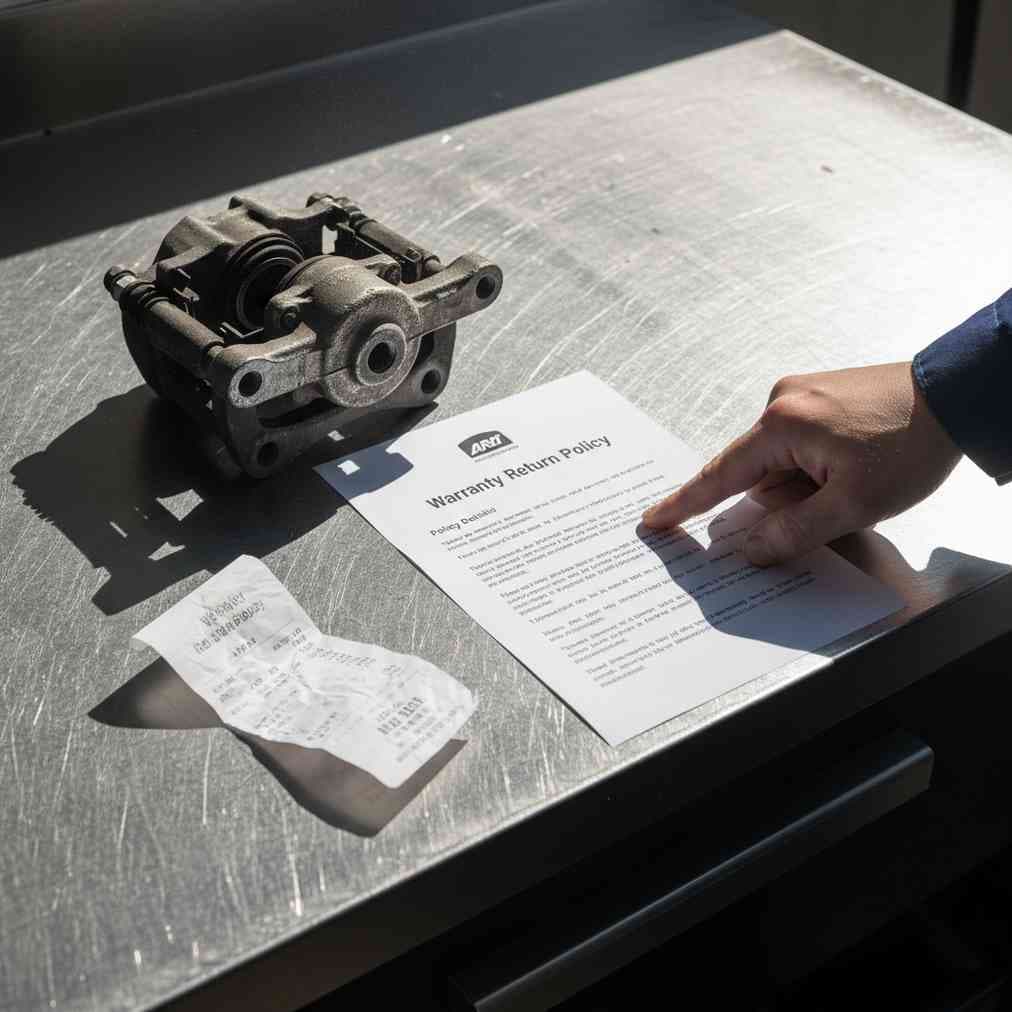
The most critical requirement is maintaining your original receipt. Without this documentation, most yards will refuse any warranty claim. Additionally, the part must be returned in its original condition with all yard markings intact.
Paint marks: Color-coded markings indicating part status
Heat tabs: Temperature indicators that void warranty if melted
Original condition: No disassembly or modification allowed
Matching serial numbers: Some yards track high-value parts individually
“The biggest mistake customers make is trying to repair a part before bringing it back. Once you've opened up an alternator or tried to rebuild a starter, the warranty is void,” explains a manager at a major salvage operation.
The Labor Cost Reality
One of the most important aspects to understand about U-Pull-It warranties is that they almost never cover labor charges. This exclusion can make even a “free” replacement part expensive if it fails after installation.
High-Risk, High-Labor Parts
The labor exclusion becomes particularly costly with major parts that require significant installation time. According to research methods used by industry analysts, labor costs can often exceed the original part price.
Part Type
Typical Labor Hours
Labor Cost Range
Risk Level
Engine
8-12 hours
$800-$1,200
Very High
Transmission
6-10 hours
$600-$1,000
Very High
Transfer Case
4-6 hours
$400-$600
High
Body Panels
1-3 hours
$100-$300
Low
Contrasting Policies: The Good, Bad, and Ugly
Not all salvage yards offer equal protection. Understanding the difference between favorable and unfavorable policies can help you choose where to shop for parts.
Favorable Warranty Features
30-90 day exchange periods
Parts replacement guaranteed
Refund option if replacement unavailable
Reasonable restocking fees (under 15%)
Clear, written policy documentation
Red Flag Policies to Avoid
Some yards offer minimal protection that can leave customers with expensive losses. These “horror story” policies often include:
Store credit only: No cash refunds or part exchanges
Electrical parts excluded: Common failure points not covered
High restocking fees: Charges exceeding 25% of purchase price
Extremely short warranties: Less than 30 days coverage
No written policy: Verbal promises that aren't honored
Strategic Shopping: Maximizing Your Protection
Smart shoppers can minimize their risk by understanding which parts carry the highest failure rates and shopping accordingly. If you're considering selling a junk car to buy parts elsewhere, factor in the warranty differences between yards.
Risk Assessment by Part Category
Different auto parts carry varying levels of failure risk, which should influence both your shopping decisions and warranty expectations.
Risk Level
Parts Examples
Recommended Warranty
Key Inspection Points
High Risk
Electronic modules, sensors, starters
6+ months preferred
Test before installation
Medium Risk
Alternators, AC compressors, pumps
30-90 days adequate
Visual inspection, resistance testing
Low Risk
Body panels, mirrors, interior trim
30 days sufficient
Physical damage assessment
Steps to Take When a Part Fails
When you discover that your salvaged part isn't working, following the proper procedure can make the difference between getting a replacement and losing your investment entirely.
Immediate Actions
Stop using the part immediately to prevent further damage
Locate your original receipt and verify warranty period
Document the failure with photos if possible
Remove the part carefully maintaining original condition
Contact the yard promptly to discuss return options
What to Bring for Your Return
Successful returns require proper preparation. According to market research methods used to study customer satisfaction, prepared customers have significantly higher success rates.
Original receipt with date and part details
The failed part in original condition
Photo identification matching receipt name
Documentation of failure if available
Realistic expectations about remedy options
Understanding Restocking Fees and Hidden Costs
Many customers are surprised to discover that returning even a defective part can incur charges. Understanding these fees upfront helps avoid unpleasant surprises.
Common Fee Structures
Fee Type
Typical Amount
When Applied
Negotiability
Restocking Fee
15-25% of purchase
All returns, including defects
Sometimes waived for clear defects
Inspection Fee
$10-25 flat rate
When failure cause disputed
Often waived for repeat customers
Documentation Fee
$5-15
Processing paperwork
Rarely waived
Special Considerations for High-Value Parts
Expensive parts like engines and transmissions often have different warranty terms and return procedures. These parts represent significant investments that require extra protection.
Extended Warranty Options
Some yards offer optional extended coverage for major parts, though this is less common in self-service operations. When available, these warranties might include:
Labor warranty coverage up to specific dollar amounts
Extended time periods of 6-12 months
Partial labor reimbursement at predetermined hourly rates
Multiple replacement guarantee if initial replacement also fails
Prevention: How to Avoid Return Situations
The best return policy is the one you never need to use. Smart shopping techniques can dramatically reduce your chances of getting a defective part.
Pre-Purchase Testing When Possible
While you can't fully test every part in the yard, some basic checks can identify obvious problems:
Visual inspection for cracks, corrosion, or damage
Physical testing of moving parts for smooth operation
Electrical continuity testing with a multimeter
Fluid contamination checks in hydraulic parts
Wear pattern analysis on friction surfaces
Choosing the Right Donor Vehicle
The condition of the vehicle you're pulling from can provide valuable clues about part reliability. Research from automotive industry studies shows strong correlations between vehicle condition and part lifespan.
Low-mileage vehicles typically yield better parts
Accident damage location affects part integrity
Maintenance indicators suggest overall care level
Fluid conditions reveal internal part health
Regional Variations in Return Policies
Warranty terms can vary significantly by region due to local competition and state consumer protection laws. Understanding these variations helps set appropriate expectations.
State-by-State Differences
Some states have stronger consumer protection laws that effectively mandate minimum warranty periods or return rights, while others allow yards more flexibility in their policies.
Consumer Protection Level
Example States
Typical Policy Impact
High Protection
California, New York, Massachusetts
Longer warranties, better return terms
Moderate Protection
Texas, Florida, Illinois
Standard industry practices
Minimal Protection
Many rural/agricultural states
Buyer-beware policies common
Making the Most of Your Warranty
Understanding how to work within the warranty system can help you get the best possible outcome when problems arise.
Communication Strategies
How you approach the yard staff can significantly impact your success rate. Professional communication and proper documentation make staff more willing to help resolve issues favorably.
Be polite and professional in all interactions
Have documentation ready before approaching counter
Explain the problem clearly without blame or anger
Ask about options rather than demanding specific remedies
Build relationships with regular staff members
The Future of Salvage Yard Warranties
The salvage yard industry continues evolving, with some yards improving their warranty offerings to compete more effectively with new parts suppliers. Understanding these trends can help you choose yards that offer the best long-term value.
Technology Integration
Advanced yards are beginning to implement technology solutions that improve both part quality assessment and warranty administration. These developments, supported by data science methodologies, include:
Digital receipt systems that prevent loss
Part testing equipment for better quality control
Inventory tracking that follows part history
Customer databases that track purchase and return patterns
Key Takeaways for Smart Shoppers
Successfully navigating U-Pull-It return policies requires preparation, understanding, and realistic expectations. Remember these critical points when shopping for salvaged auto parts:
Always confirm warranty terms before purchasing
Keep your receipt safe and in good condition
Understand that labor costs aren't covered by warranties
Inspect parts carefully before and after installation
Choose yards with favorable policies when possible
Factor return policies into your total cost calculations
The value proposition of U-Pull-It yards remains strong for budget-conscious consumers, but understanding the warranty limitations helps you make informed decisions about which parts to buy used and which might be worth purchasing new. With proper knowledge and preparation, you can minimize your risk while maximizing your savings on quality used auto parts.