Pull-A-Part vs. Other Junkyards Near You: Which One is Better?
What Makes Pull-A-Part Stand Out in the Junkyard Industry When searching for affordable auto parts, choosing the right junkyard can make all the difference in your repair budget and overall experience. Pull-A-Part has established itself as a leading chain in the self-service salvage yard industry, but how does it compare to other popular options like [...]
Article image
What Makes Pull-A-Part Stand Out in the Junkyard Industry
When searching for affordable auto parts, choosing the right junkyard can make all the difference in your repair budget and overall experience. Pull-A-Part has established itself as a leading chain in the self-service salvage yard industry, but how does it compare to other popular options like Pick-N-Pull, Pull-N-Save, and U-Pull-&-Pay? Understanding the differences between u-pull and full-service auto recyclers is crucial for making the best choice for your specific needs.
The modern salvage yard landscape offers two primary models: self-service “you-pull-it” operations and full-service facilities. Each approach has distinct advantages depending on your mechanical knowledge, available time, and budget constraints. Let's explore how Pull-A-Part fits into this ecosystem and whether it's the right choice for your next parts hunting expedition.
The Pull-A-Part Business Model: Self-Service Excellence
Pull-A-Part operates on a straightforward self-service model that puts customers in control of their parts-hunting experience. This approach requires visitors to bring their own tools and extract needed components themselves, which significantly reduces costs compared to traditional auto parts stores.
Key Features of Pull-A-Part Operations
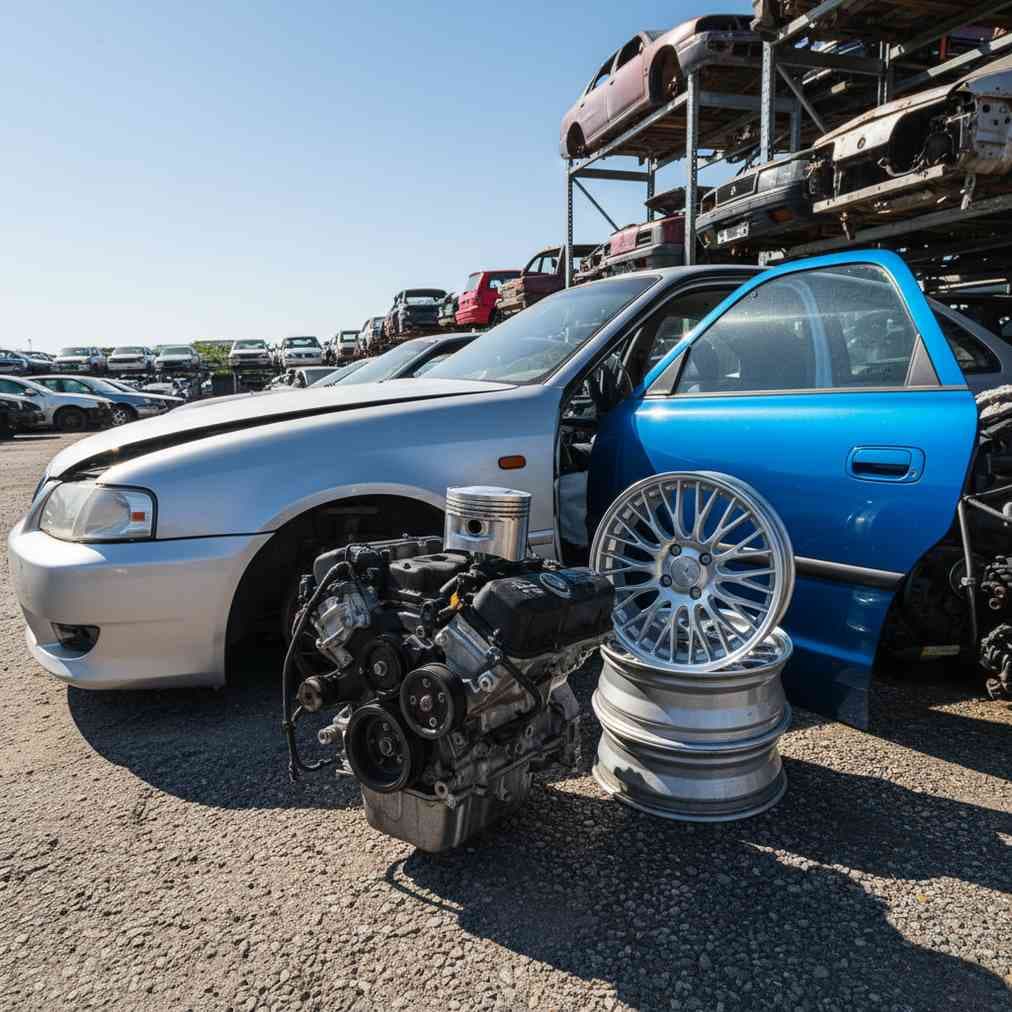
Massive Inventory: Most Pull-A-Part locations maintain approximately 2,000+ vehicles with new additions arriving daily
Standardized Pricing: Fixed prices by part type regardless of vehicle make, model, or year
Low Entry Costs: Typical admission fees around $3.00 per visit
30-Day Warranty: Most parts come with exchange or store credit options
Online Inventory Tools: Digital search capabilities for vehicle availability
Pick-N-Pull operates similarly to Pull-A-Part with self-service requirements and competitive pricing. Their nationwide presence makes them a reliable option in many markets, often featuring well-organized yards and user-friendly layouts. Pick and pull junkyards like these offer excellent deals for budget-conscious consumers.
Pull-N-Save: Regional Focus
Pull-N-Save locations typically serve regional markets with a similar self-service approach. While inventory sizes may be smaller than Pull-A-Part, they often provide savings of 50-80% compared to new parts, making them competitive for specific regional needs.
Self-Service vs. Full-Service: Understanding Your Options
The fundamental choice in junkyard selection involves deciding between self-service and full-service operations. Understanding the pros and cons of each model helps determine which approach suits your needs best.
Self-Service Advantages
Lowest possible prices: Eliminate labor costs by doing the work yourself
Hands-on inspection: Examine parts thoroughly before purchase
Educational experience: Learn about your vehicle while searching
Immediate availability: Take parts home the same day
Large inventory access: Browse entire vehicles for compatible parts
Self-Service Disadvantages
Physical labor required: Must bring tools and do extraction work
Weather exposure: Work outdoors regardless of conditions
No guarantee of condition: Parts may be damaged by previous customers
Time investment: Searching and removing parts takes hours
Limited support: Minimal staff assistance available
“The trend toward self-service junkyards continues to grow as they offer eco-friendly alternatives by recycling parts and reducing auto waste. However, success requires mechanical knowledge and willingness to invest time.”
Pricing Comparison: Where Pull-A-Part Excels
One of Pull-A-Part's strongest advantages lies in its transparent pricing structure. Unlike traditional auto parts stores where prices vary significantly by vehicle specifications, Pull-A-Part uses standardized pricing by part category. For example, all 6-cylinder engines carry the same price regardless of whether they come from a luxury car or economy vehicle.
Inventory and Selection: Pull-A-Part's Competitive Edge
Pull-A-Part's inventory management system creates significant advantages for parts hunters. By maintaining approximately 2,000 vehicles per location and adding new arrivals daily, they ensure fresh selection and higher availability of parts for the most common car problems.
The inventory advantage becomes particularly important when searching for OEM car parts with quality and availability guarantees. Pull-A-Part's size allows them to stock multiple examples of popular vehicles, increasing your chances of finding parts in good condition.
Customer Experience: What to Expect
The Pull-A-Part experience differs significantly from traditional auto parts shopping. Success requires preparation, proper tools, and realistic expectations about the self-service process.
Part Compatibility: Research interchange information before visiting
Unlike full-service operations, Pull-A-Part cannot provide phone confirmation of specific part availability. Their online inventory shows which vehicles are on the lot, but doesn't track which parts have been removed. This uncertainty is offset by the low admission cost and extensive inventory.
Specialized Parts and Services Comparison
Different junkyard types excel in various specialties. Pull-A-Part's self-service model works particularly well for certain types of parts while presenting challenges for others.
Safety-Critical Parts: Brake components and suspension elements
Environmental and Economic Impact
Pull-A-Part and similar self-service operations provide significant environmental benefits by extending the useful life of automotive components. This recycling approach reduces landfill waste while providing affordable repair options for vehicle owners.
“Auto recyclers like Pull-A-Part play a crucial role in the circular economy by giving automotive components multiple lives before final disposal. This approach supports both environmental sustainability and affordable vehicle maintenance.”
The economic impact extends beyond individual savings. Buying recycled auto parts supports local employment and reduces demand for new manufacturing, creating positive economic ripple effects in communities.
Emerging Trends: Electric Vehicles and Future Challenges
The automotive landscape is evolving rapidly, and junkyards must adapt to changing technology. Electric cars are impacting salvage yards by introducing new types of components and safety considerations.
Regional Considerations and Location-Specific Factors
Junkyard quality and selection vary significantly by region. Pull-A-Part's standardized approach provides consistency across locations, while smaller regional operators may offer unique advantages in specific markets.
Making the Right Choice: Pull-A-Part vs. Competitors
The “better” junkyard depends entirely on your specific situation, mechanical knowledge, available time, and budget priorities. Pull-A-Part excels in several key areas that make it the preferred choice for many customers:
Customer Profile
Best Junkyard Choice
Key Advantages
DIY Enthusiast with Tools
Pull-A-Part
Lowest prices, large inventory, hands-on experience
Budget-Conscious Repairer
Pull-A-Part or Pick-N-Pull
Maximum cost savings, standardized pricing
Convenience-Seeking Customer
Full-Service Yard
Professional removal, warranties, phone support
Occasional Parts Hunter
U-Pull-&-Pay
Mixed service options, some assistance available
When Pull-A-Part is Your Best Option
Maximum Cost Savings: When budget is the primary concern
Common Parts: For frequently needed components with standardized pricing
Learning Opportunity: When you want to understand your vehicle better
Large Selection Needed: For rare parts requiring extensive inventory
DIY Projects: When part removal is part of the experience
When Competitors Might Be Better
Limited Mechanical Knowledge: Full-service yards provide expertise
Complex Components: Professional removal ensures proper handling
Time Constraints: When speed matters more than maximum savings
Warranty Requirements: For parts needing longer guarantees
Phone Confirmation: When you need confirmed availability before visiting
Conclusion: Choosing Your Junkyard Strategy
Pull-A-Part represents the pinnacle of self-service junkyard operations, offering unmatched inventory depth, competitive pricing, and consistent nationwide standards. For budget-conscious DIY enthusiasts willing to invest time and effort, it provides exceptional value and an engaging parts-hunting experience.
However, the choice between Pull-A-Part and its competitors shouldn't be automatic. Consider your mechanical knowledge, available tools, time constraints, and specific part needs when making decisions. Comparing Pull-A-Part, Pick-A-Part, and Pick-N-Pull reveals subtle differences that might influence your choice.
Success in any junkyard requires preparation, realistic expectations, and understanding of what each model offers. Whether you choose Pull-A-Part's standardized approach, a competitor's regional advantages, or a full-service yard's convenience, the key is matching the facility to your specific needs and capabilities.
Remember that smart people save money fixing their cars at junkyards by understanding how to navigate these facilities effectively. With proper preparation and the right expectations, Pull-A-Part and its competitors can provide substantial savings while keeping your vehicle running reliably for years to come.