Repairing Body Panels with Used Patch Panels from Salvage Yards
Understanding Body Panel Repair with Used Patch Panels Repairing automotive body panels using patch panels sourced from salvage yards is a practical, cost-effective way to restore rusted or damaged areas, especially on classic or older vehicles. This comprehensive approach combines traditional metalworking skills with modern technology to achieve professional-quality results at a fraction of the [...]
Article image
Understanding Body Panel Repair with Used Patch Panels
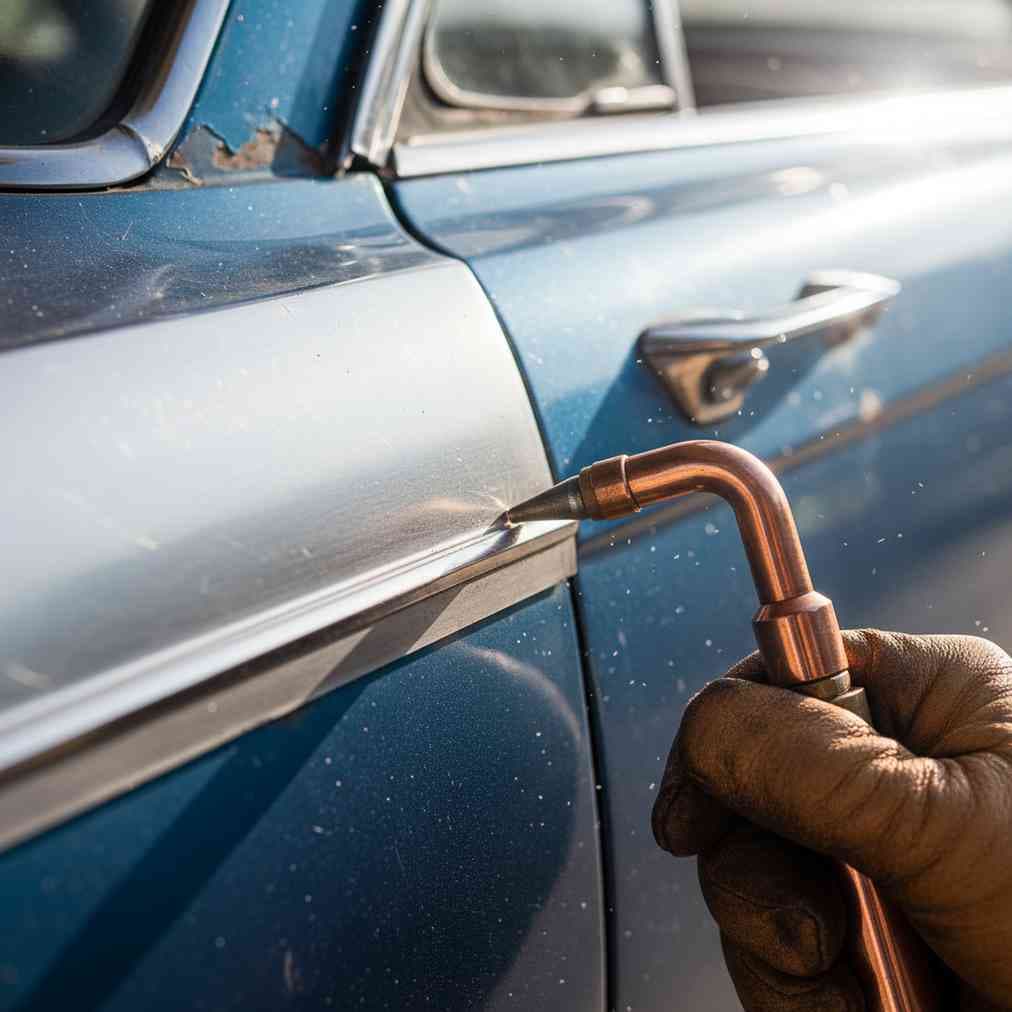
Repairing automotive body panels using patch panels sourced from salvage yards is a practical, cost-effective way to restore rusted or damaged areas, especially on classic or older vehicles. This comprehensive approach combines traditional metalworking skills with modern technology to achieve professional-quality results at a fraction of the cost of new parts.
The process involves identifying suitable patch panels, precise cutting, skilled welding, and proper finishing techniques. With the integration of AI-powered part identification tools, finding the right components at salvage yards near you has become more efficient than ever before.
Selecting and Preparing Patch Panels from Salvage Yards
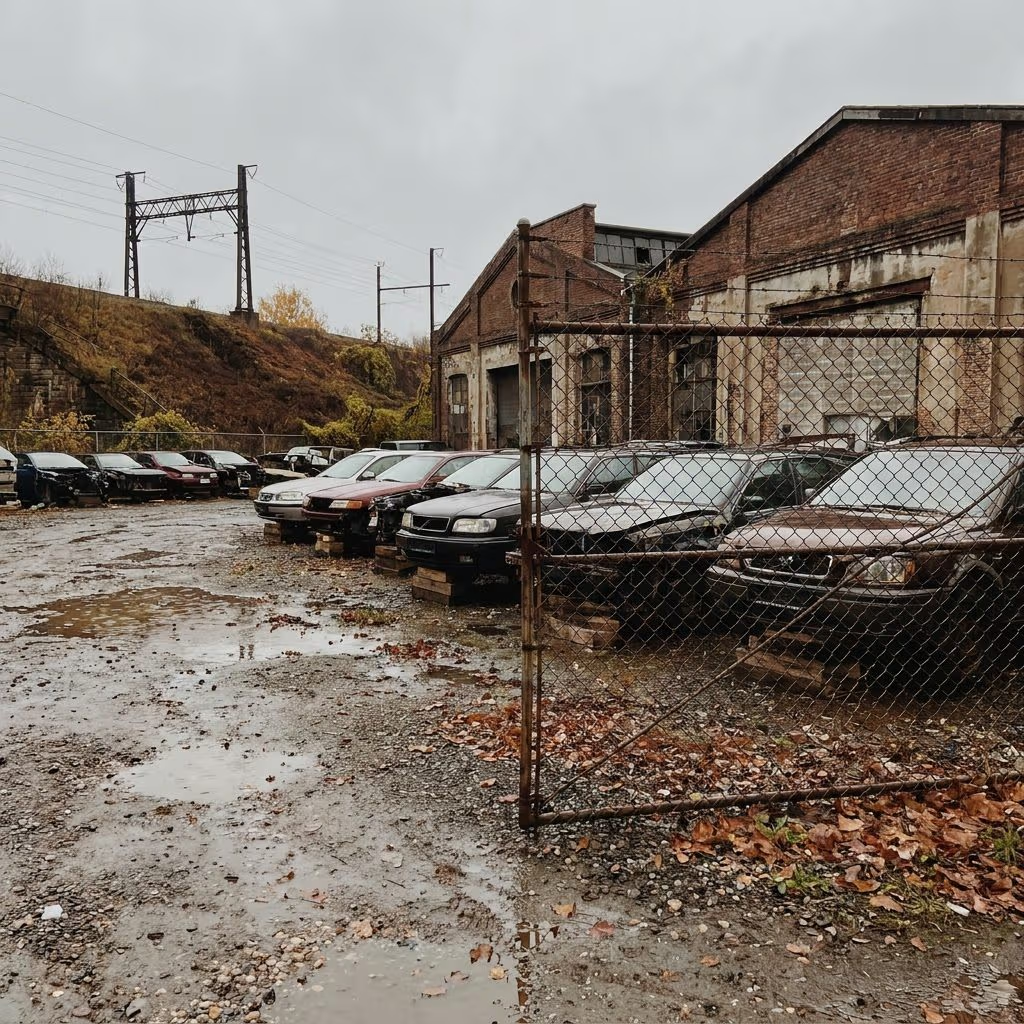
Successfully sourcing quality patch panels from salvage yards requires a keen eye for detail and understanding of what makes a good repair piece. Here's what to look for when selecting crash repair parts:
Metal condition: Look for panels with minimal rust or damage
Gauge matching: Ensure the thickness matches your original panel
Structural integrity: Check for stress cracks or previous repairs
Fit compatibility: Verify the panel matches your vehicle's year, make, and model
Using pre-formed panels is often simpler than building patch panels from scratch. The fitment is closer to original specifications, reducing cutting and shaping time significantly. Professional body repair experts emphasize that spending more time on proper fitting results in less welding and finishing work.
Essential Cutting Techniques and Preparation
Proper cutting technique is crucial for achieving seamless repairs. The first critical step is to cut out all the “cancer” – meaning all rusted metal from the original panel.
Cutting Tool
Best Use
Advantages
Angle Grinder with Cut-off Wheel
Straight cuts, removing large sections
Fast, precise cuts
Metal Nibblers
Curved cuts, detailed work
Clean edges, minimal heat
Air-powered Tools
Professional applications
Consistent results, reduced fatigue
Key preparation steps include:
Mark the damaged area precisely with a marker
Create cardboard templates for irregular shapes
Cut the patch panel slightly larger than the hole
Grind the area on the original panel down to bare metal
Test fit multiple times before welding
Professional Welding Methods and Heat Control
Welding thin sheet metal requires careful heat management to prevent warping and distortion. Professional repair techniques focus on controlling heat as the primary concern when welding automotive body panels.
Butt Welding vs. Lap Welding
Butt welding is the preferred method for rust repair on floor, quarter, and body panels because it creates stronger, seamless joints and prevents moisture pocket formation. While lap welding is faster, it carries a higher risk of trapped moisture leading to future rust problems.
“Butt welding creates seamless joints with no gaps, eliminating potential rust spots and delivering superior results.”
MIG Welding Specifications
Use 0.025-inch wire for 24-gauge metal
Recommended gas mixture: 75% argon / 25% CO2
Gas flow rate: 10 L/min for optimal results
Start with tack welds spaced evenly
Stitch weld between tacks to minimize heat buildup
TIG Welding Advantages
TIG welding offers less warpage and distortion compared to MIG, especially when performing continuous passes. This method ensures full penetration and provides superior control over heat input.
AI-Powered Part Identification Revolution
The automotive repair industry is experiencing a technological revolution with AI image recognition tools transforming how we identify and source used parts. This technology is crucial because part numbers on salvage components are often illegible, scratched, painted over, or missing entirely.
Benefits of AI Part Identification
Efficiency: Significantly reduces identification time
Accuracy: Achieves up to 98.9% recognition accuracy
Compatibility assurance: Cross-references with extensive databases
Reduced returns: Guarantees proper fitment
Photo-Taking Best Practices for AI Recognition
To maximize AI identification accuracy, follow these photography guidelines:
Lighting: Use bright, natural light to eliminate shadows
Focus & Resolution: Ensure sharp focus with high-resolution cameras
Multiple Angles: Capture front, back, edges, and mounting areas
Context: Include vehicle make, model, and year information
Clean Background: Use neutral, uncluttered backgrounds
Advanced Finishing Techniques
Proper finishing separates amateur repairs from professional-quality work. The goal is achieving a smooth, flush finish that's virtually undetectable once painted.
Post-Weld Processing
Grinding: Grind welds but don't make them completely flat to maintain strength
Metal Finishing: Use hammer and dolly work to restore original contours
Seam Preparation: Tap down seams to create a buffer for filler application
“You want a little bit of a buffer between the seam and the finish; filler works very well for that.”
Filler Application and Surface Prep
Use lightweight body filler sparingly
Sand with appropriate grits (start with 80-grit, finish with 320-grit)
Apply gray filler primer for even coating
Final sand with 600-grit before paint
Cost-Effectiveness and Environmental Benefits
Using salvage patch panels provides significant economic and environmental advantages. When you need to get cash for your junk car or find affordable repair solutions, understanding these benefits helps make informed decisions.
Benefit Category
Savings
Environmental Impact
Manufacturing Costs
Up to 80% savings
Reduced energy consumption
Material Consumption
Up to 90% reduction
Less raw material extraction
Market Projection
$13.5 billion by 2027
Increased recycling rates
Expert Tips for Success
Professional body repair experts share these crucial insights for successful patch panel repairs:
Patience is key: Rushing the fitting process leads to more work later
Heat management: Use copper or aluminum heat sinks for larger patches
Safety first: Always disconnect the car battery before welding
Rust prevention: Apply rust inhibitor and primer immediately after welding
Quality over speed: Take time to achieve proper penetration on all welds
“Patch panels seem like a huge task, but you'd be shocked at how basic the process really is… fitting the panel perfectly is the most important factor.” – H&H Classic Parts
Common Mistakes to Avoid
Learning from common errors can save time, money, and frustration:
Inadequate rust removal: Leaving any rust will cause future problems
Poor fit preparation: Rushing the fitting process leads to welding difficulties
Excessive heat input: Causes warping and distortion
Surface welding: Insufficient penetration leads to weak joints
Skipping primer: Exposed metal will rust quickly
Future Trends in Salvage Part Repair
The automotive repair industry continues evolving with new technologies and techniques:
Enhanced AI recognition: More accurate part identification and compatibility matching
Advanced welding equipment: Better heat control and precision
Improved materials: Better primers and rust inhibitors
Digital documentation: Better tracking of repair procedures and outcomes
As the market for used auto parts continues growing, understanding these repair techniques becomes increasingly valuable for both professional shops and DIY enthusiasts. Whether you're working with affordable used car doors or complex quarter panels, mastering these fundamental skills ensures successful, long-lasting repairs.
The combination of traditional metalworking skills and modern AI-assisted part identification creates new opportunities for efficient, cost-effective vehicle restoration. By following these proven techniques and embracing new technologies, repair professionals can deliver exceptional results while keeping costs manageable for vehicle owners.