Should You Buy a Used Steering Column from a Junkyard?
Understanding the Basics of Used Steering Columns When your vehicle's steering column fails, the repair costs can be substantial. A used steering column from a junkyard might seem like an attractive cost-effective solution, but this critical safety component requires careful evaluation before purchase. The steering column houses vital systems including the ignition switch, airbag connections, [...]
Article image
Understanding the Basics of Used Steering Columns
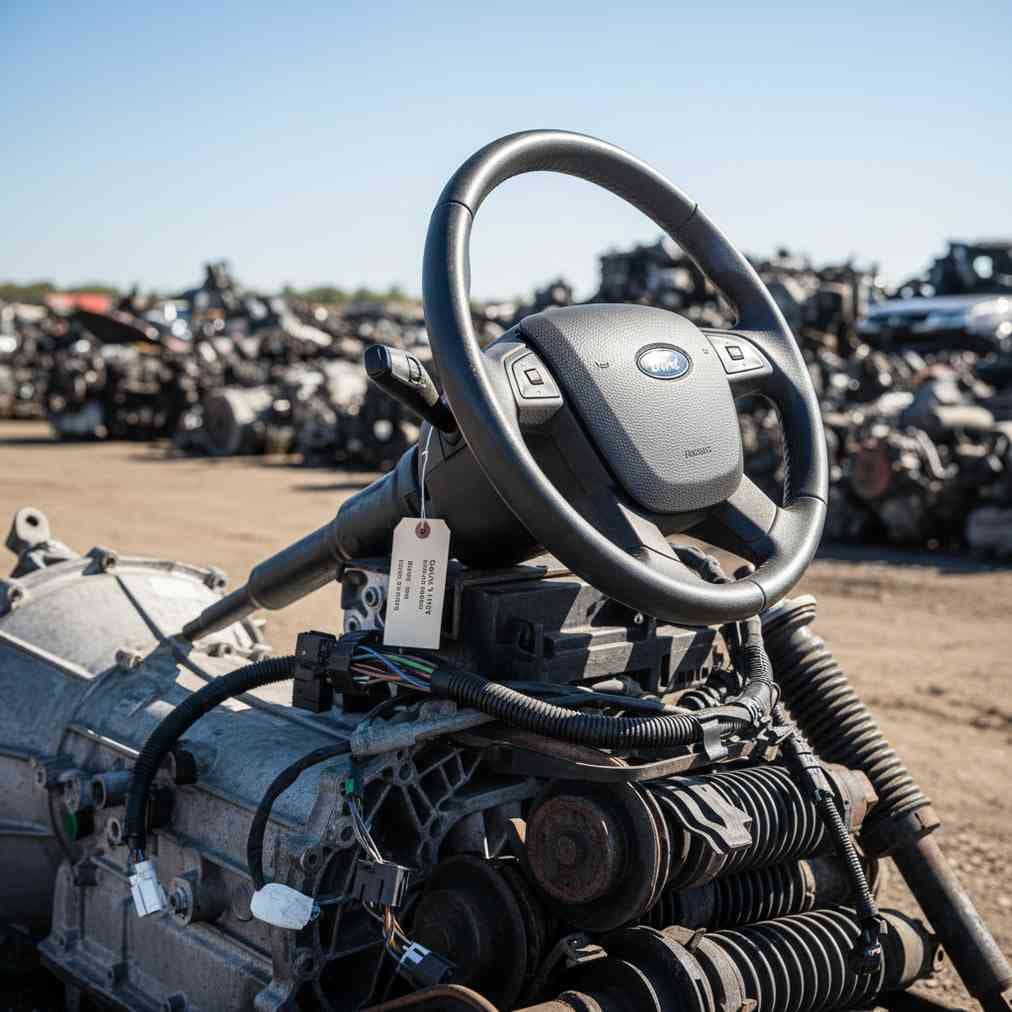
When your vehicle's steering column fails, the repair costs can be substantial. A used steering column from a junkyard might seem like an attractive cost-effective solution, but this critical safety component requires careful evaluation before purchase. The steering column houses vital systems including the ignition switch, airbag connections, and various electronic controls that must function properly for safe vehicle operation.
Modern steering columns are far more complex than their predecessors, integrating sophisticated electronics, anti-theft systems, and driver-assistance features. This complexity makes sourcing and installing used auto parts more challenging due to compatibility requirements and potential reprogramming needs.
Critical Safety Considerations
The steering column serves multiple safety functions beyond basic steering control. It contains energy-absorbing sections designed to collapse during impact, protecting the driver from injury. When evaluating a used steering column, these safety components must be intact and fully functional.
Airbag mounting points must be undamaged and properly aligned
Collapsible sections cannot show signs of previous impact or compression
Lock mechanisms must engage and release smoothly
Shaft bearings and U-joints should have no excessive play or wear
According to Premium Used Auto Parts, safety components must be in perfect condition for proper operation, and any compromise in structural integrity can pose serious safety risks.
Common Problems with Used Steering Columns
Ignition Lock and Starting Issues
One of the most frequent problems with used steering columns involves the ignition system. The ignition lock cylinder or switch may be faulty, preventing the key from turning or making proper electrical contact. As detailed in discussions on RepairPal, even when the key fits, mismatched ignition components can prevent the vehicle from starting.
Faulty ignition lock cylinder preventing key insertion or turning
Electronic steering locks that may require reprogramming
Tilt and Telescopic Mechanism Failures
The tilt and telescopic mechanisms are prone to mechanical wear over time. These adjustment features are essential for proper driving position and comfort, and their failure can significantly impact vehicle usability.
Common Failure
Symptoms
Safety Impact
Loose tilt mechanism
Steering wheel drops during driving
High – Loss of steering control
Collapsed telescopic cage
Unable to adjust reach
Medium – Poor driving position
Worn adjustment screws
Mechanism won't hold position
High – Unexpected movement
Broken spring mechanisms
Heavy steering wheel operation
Low – Inconvenience only
Wiring Harness Compatibility Issues
Modern steering columns house extensive wiring harnesses for various vehicle functions. Compatibility between different model years, trim levels, or even manufacturing dates can be challenging. Back to Road Auto Parts emphasizes the importance of verifying electronic compatibility before purchase.
Turn signal and hazard controls
Cruise control switches
Audio system controls
Airbag circuits
Power steering assist sensors
Anti-theft system components
Any wiring problem within the steering column assembly often necessitates replacement of the entire unit, making compatibility verification crucial before purchase.
Inspection Checklist for Used Steering Columns
When considering a junkyard steering column, thorough inspection is essential. Like other OEM car parts, steering columns require careful evaluation to ensure functionality and safety.
Visual Inspection Points
Housing condition – Check for cracks, impact damage, or deformation
Mounting points – Verify all brackets and attachment points are intact
Corrosion assessment – Look for rust that could compromise structural integrity
Shaft alignment – Ensure the steering shaft is straight and undamaged
Wiring harness – Inspect connectors for corrosion or damage
Functional Testing
Beyond visual inspection, functional testing helps identify potential problems that may not be immediately apparent. Quality Auto Salvage recommends testing all mechanical and electronic functions before purchase.
Component
Test Method
Pass Criteria
Tilt Mechanism
Operate adjustment lever
Smooth operation, holds position
Telescopic Function
Extend and retract wheel
Even movement, secure locking
Ignition Lock
Turn with appropriate key
Smooth rotation through all positions
Signal Switches
Activate turn signals
Positive engagement, proper return
Shaft Play
Check lateral and vertical movement
Minimal play, no binding
Compatibility Considerations
Vehicle compatibility extends beyond basic fitment. Modern vehicles integrate steering columns with multiple vehicle systems, making exact matching crucial for proper operation. This complexity is similar to challenges faced when finding used transmissions or other complex automotive components.
Model Year Considerations
Even within the same vehicle model, steering column specifications can change significantly between model years. Manufacturers frequently update electronic systems, safety features, and connector configurations.
Mid-year changes in manufacturing specifications
Trim level differences in electronic features
Regional variations in safety requirements
Production date specific component changes
Electronic System Integration
Modern vehicles increasingly rely on electronic integration between the steering column and other vehicle systems. This integration can make simple part swapping impossible without proper reprogramming or system initialization.
“Electronic components within the steering column might require reprogramming to communicate with the vehicle's ECU, making compatibility verification essential before purchase.”
Cost Analysis: New vs Used vs Rebuilt
Understanding the cost implications of different steering column options helps make informed decisions. While junkyard parts offer significant savings, the total cost of ownership includes potential complications and additional repairs.
Option
Typical Cost Range
Warranty
Reliability
Installation Complexity
New OEM
$800 – $2,500
1-3 years
Highest
Standard
Rebuilt/Remanufactured
$400 – $1,200
6-12 months
High
Standard
Used with Warranty
$200 – $600
30-90 days
Medium
Moderate
Junkyard (As-Is)
$50 – $300
None
Variable
High
Sturtevant Auto offers cost-effective used steering columns, but buyers should factor in potential additional costs for reprogramming, key matching, or compatibility issues.
Installation Challenges and Professional Requirements
Steering column installation is not a typical DIY project. The complexity involves multiple safety systems and requires specialized knowledge and tools. Unlike simpler components such as used car doors or fenders, steering columns require precise alignment and system integration.
Professional Installation Requirements
Airbag system disabling and reconnection procedures
Steering alignment and calibration
Electronic system programming and initialization
Anti-theft system reprogramming or key matching
Safety system verification and testing
Professional installation costs typically range from $300 to $800, depending on vehicle complexity and local labor rates. This additional cost should be factored into the total project budget when comparing options.
Warranty and Return Policies
When purchasing from reputable salvage yards, warranty coverage can provide additional security. Some suppliers offer tested parts with limited warranties, significantly reducing purchase risk compared to as-is junkyard parts.
Warranty Comparison
Supplier Type
Typical Warranty
Return Policy
Testing
Self-Service Junkyard
None
No returns
None
Full-Service Salvage Yard
30-90 days
Limited exchange
Basic function
Online Parts Retailer
30-180 days
Full refund available
Comprehensive
Certified Auto Recycler
90 days – 1 year
Full replacement
Multi-point inspection
Customer reviews for warranted used steering columns show satisfaction ratings of 4.86 to 5.0 out of 5 stars, indicating higher reliability when parts are properly tested and backed by warranty coverage.
Alternative Solutions to Consider
Before committing to a complete steering column replacement, consider whether targeted repairs might address the specific problem. Often, individual components can be replaced without changing the entire assembly.
Component-Level Repairs
Ignition lock cylinder replacement – Often possible without column removal
Turn signal switch – Replaceable on most vehicles
Tilt mechanism rebuild – May be more cost-effective than replacement
Wiring harness repair – Individual circuits can sometimes be repaired
Steering shaft bearing replacement – Addresses play without full replacement
These targeted repairs often cost less than complete column replacement and avoid compatibility issues associated with used parts. Consider consulting with a qualified technician to evaluate repair alternatives before purchasing a replacement column.
Expert Recommendations and Best Practices
Industry experts consistently recommend specific approaches when considering used steering columns. These best practices can help ensure successful installation and reliable operation while minimizing safety risks.
Pre-Purchase Evaluation
“Experienced mechanics recommend bringing a qualified technician to inspect used steering columns before purchase to evaluate mechanical and electronic compatibility and avoid installation issues and potential safety hazards.”
Verify exact part numbers and compatibility with your specific vehicle
Confirm key matching requirements and availability of proper keys
Check for recall notices or known issues with the specific column model
Evaluate total project cost including installation and programming
Consider warranty coverage and return policies
Installation Best Practices
Professional installation following manufacturer procedures is crucial for steering column safety and functionality. This is particularly important given the integration with airbag systems and other safety components, similar to considerations for brake system components.
Disable airbag systems properly before beginning work
Follow torque specifications exactly for all mounting hardware
Program electronic systems according to manufacturer procedures
Perform comprehensive testing of all functions before returning vehicle
Document all work performed for warranty and safety purposes
When to Avoid Used Steering Columns
Certain circumstances make used steering column purchase inadvisable due to safety, reliability, or cost considerations. Understanding these limitations helps avoid problematic purchases that could lead to safety issues or additional expenses.
High-Risk Scenarios
Scenario
Risk Level
Recommendation
Alternative
Luxury/High-End Vehicles
High
Avoid
OEM or certified remanufactured
Recent Model Years (0-5)
Medium-High
Caution
Warranty-backed used parts only
Complex Electronic Integration
High
Avoid
Professional remanufacturing
Safety-Critical Applications
High
Avoid
New OEM parts
No Warranty Available
Medium
Consider carefully
Tested parts with warranty
Vehicle-Specific Considerations
Some vehicle types present particular challenges for used steering column installation. These considerations are important when evaluating the viability of junkyard parts for your specific application.
European luxury vehicles – Complex electronics and expensive programming requirements
Hybrid and electric vehicles – Unique electronic integration and safety systems
Commercial vehicles – Heavy-duty applications with specialized requirements
High-performance vehicles – Precise calibration requirements for stability systems
Fleet vehicles – Liability considerations for commercial applications
Making the Final Decision
The decision to purchase a used steering column from a junkyard requires careful evaluation of multiple factors. While cost savings can be substantial, the complexity of modern steering systems and safety implications make this decision more challenging than purchasing simpler components like bumpers or hoods.
Decision Matrix
Use this decision matrix to evaluate whether a used steering column is appropriate for your situation:
Factor
Favorable for Used
Unfavorable for Used
Weight
Vehicle Age
10+ years
Under 5 years
High
Budget Constraints
Limited budget
Budget flexible
Medium
Availability of Parts
Common vehicle
Rare/luxury vehicle
High
Electronic Complexity
Simple systems
Advanced electronics
High
Safety Requirements
Personal vehicle
Commercial/fleet use
Critical
Installation Expertise
Professional installation
DIY installation
High
Final Recommendations
Based on comprehensive analysis of safety, cost, and reliability factors, used steering columns can be a viable option when:
Vehicle age exceeds 7-10 years and replacement parts are readily available
Total project cost including installation remains significantly below new part alternatives
Warranty coverage is available from reputable suppliers
Professional installation and programming services are accessible
Safety systems are relatively simple without complex electronic integration
For vehicles with advanced safety systems, recent model years, or when safety is paramount, investing in new or professionally remanufactured steering columns provides better long-term value and peace of mind. Like other critical safety components, the steering column is not an area where compromising on quality is advisable.
Remember that buying used auto parts requires more research and verification than purchasing new components. When done correctly with proper part selection, professional installation, and appropriate warranty coverage, used steering columns can provide reliable service while offering significant cost savings over new alternatives.