Should You Buy a Used Timing Cover from a Junkyard?
Understanding the Role of a Timing Cover in Your Engine The timing cover serves as a critical protective barrier for your engine's timing chain or belt, keeping dirt, debris, and contaminants away from these vital components. Additionally, it plays a crucial role in sealing engine oil within the engine compartment, ensuring proper lubrication of timing [...]
Article image
Understanding the Role of a Timing Cover in Your Engine
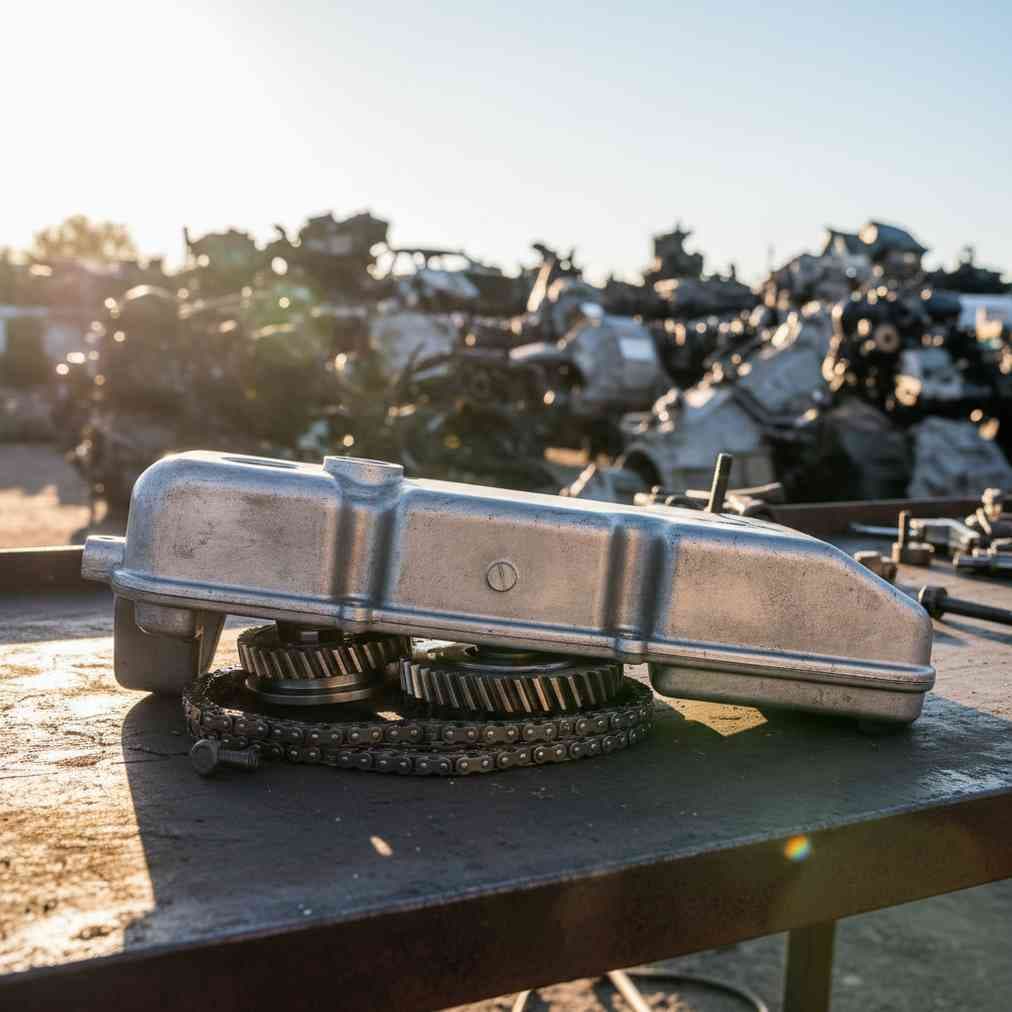
The timing cover serves as a critical protective barrier for your engine's timing chain or belt, keeping dirt, debris, and contaminants away from these vital components. Additionally, it plays a crucial role in sealing engine oil within the engine compartment, ensuring proper lubrication of timing components. Understanding its function is essential before considering whether to purchase a used OEM part from a junkyard.
Modern timing covers are typically manufactured from metal, plastic, or composite materials, with each material type affecting durability and compatibility with your specific engine. Professional mechanics note that timing covers generally last the lifetime of the engine when properly maintained, but they're subject to wear primarily due to gasket failure or impact damage.
Cost Analysis: New vs Used Timing Covers
The financial aspect often drives people toward purchasing used auto parts. Professional replacement of a timing cover can cost around $1,000 and typically requires approximately two hours of labor. By opting for a recycled part and doing the work yourself, you can potentially save over $850.
Option
Part Cost
Labor Cost
Total Cost
Savings
Professional OEM Installation
$200-400
$600-800
~$1,000
$0
DIY with Used Part
$25-75
$0
$25-75
$850+
DIY with New OEM
$200-400
$0
$200-400
$600
Critical Issues to Watch for in Used Timing Covers
Structural Damage and Cracks
Used timing covers from u-pull-it junkyards may have hairline cracks or structural damage that isn't immediately visible. These defects can cause oil leaks that may lead to catastrophic engine damage if left unaddressed. Always inspect the cover under good lighting and consider using a magnifying glass to detect small cracks.
Surface cracks: Look for hairline fractures on both inner and outer surfaces
Impact damage: Check for dents or deformation that could affect sealing
Warping: Use a straight edge to verify the sealing surface is flat
Thread damage: Inspect bolt holes for stripped or damaged threads
Gasket and Sealing Problems
Even if the timing cover appears intact, worn gaskets represent one of the most common failure points. Automotive experts emphasize that gasket leaks are among the leading symptoms of timing cover failure, making it essential to replace all gaskets when installing a used cover.
“Regardless of how good a deal may be, if the part looks unsafe, it's a hard pass. Just put it back. Your vehicle needs to be safe and by throwing a part on that is cheap may cost you more in the long run and possibly your life!”
Compatibility and OEM Considerations
Ensuring proper compatibility is crucial when purchasing used automotive components. Timing covers often vary between model years and engine variants, even within the same vehicle line. Using an incorrect timing cover can result in improper fit, leading to premature failure or dangerous oil leaks.
VIN verification: Cross-reference the part number with your vehicle's VIN
Engine code matching: Ensure the donor vehicle has the identical engine code
Year-specific variations: Account for mid-year design changes
Professional mechanics stress the importance of thorough inspection before purchasing any used engine component. When evaluating a potential timing cover at auto salvage yards, follow this comprehensive checklist:
Inspection Point
What to Look For
Red Flags
Surface Condition
Clean, even surfaces without deep scratches
Cracks, gouges, corrosion
Sealing Surface
Flat, smooth mating surfaces
Warping, scoring, uneven wear
Bolt Holes
Clean threads, proper depth
Stripped threads, elongated holes
Gasket Channels
Clean grooves without damage
Torn gasket material, damaged channels
Installation Considerations and Best Practices
Successfully installing a used timing cover requires attention to detail and proper preparation. Experienced DIY mechanics recommend always replacing gasket kits separately, even when purchasing used covers, to ensure proper sealing and prevent future leaks.
New gasket kit: Always purchase fresh gaskets and seals
Surface preparation: Clean all mating surfaces thoroughly
Proper torque sequence: Follow manufacturer specifications for bolt tightening
Sealant application: Use appropriate RTV sealant where specified
Forum discussions on platforms like VW Vortex and automotive enthusiast communities consistently emphasize the importance of proper installation techniques when working with timing components.
Before committing to a junkyard timing cover, consider these alternatives that might offer better value or peace of mind:
Option
Pros
Cons
Best For
New OEM
Guaranteed fit, warranty, reliability
Higher cost
High-value vehicles, critical applications
Quality Aftermarket
Lower cost than OEM, warranty
Variable quality, fit issues
Budget builds, older vehicles
Junkyard OEM
Lowest cost, genuine parts
Unknown condition, no warranty
Project cars, emergency repairs
Remanufactured
Restored condition, warranty
Limited availability
Classic cars, rare applications
Making the Final Decision
The decision to purchase a used timing cover from a junkyard ultimately depends on your specific situation, budget constraints, and risk tolerance. High-quality auto recyclers can provide reliable parts when you know what to look for and conduct proper inspections.
Consider purchasing from a junkyard if:
You have the mechanical expertise to properly inspect the part
The vehicle is older or lower value, making expensive repairs uneconomical
You're comfortable with the risk and can afford a potential replacement
You plan to replace all gaskets and seals during installation
Avoid junkyard timing covers if:
Your vehicle is still under warranty
You lack experience inspecting engine components
The vehicle is your primary transportation and reliability is critical
You can afford new OEM or quality aftermarket alternatives
Bring proper tools: Flashlight, magnifying glass, straight edge, and basic hand tools
Research beforehand: Know your exact part numbers and compatible alternatives
Inspect the donor vehicle: Look for signs of proper maintenance and care
Ask questions: Inquire about the vehicle's history and reason for scrapping
Plan for complete replacement: Budget for new gaskets, seals, and hardware
Remember that timing components are among the most requested parts at salvage yards, so quality examples may be limited. Arriving early and maintaining relationships with yard managers can improve your chances of finding suitable parts.
Conclusion: Weighing Risk vs Reward
Purchasing a used timing cover from a junkyard can offer substantial savings, but success depends heavily on proper inspection, compatibility verification, and realistic expectations about the risks involved. While professional installation of a new timing cover costs around $1,000, the potential savings of over $850 make junkyard parts attractive for the right situations.
The key to success lies in thorough inspection, ensuring OEM compatibility, and always replacing gaskets and seals regardless of their apparent condition. Understanding timing system maintenance and having realistic expectations about used part reliability will help you make an informed decision that balances cost savings with mechanical reliability.
Ultimately, junkyard timing covers can be a viable option for experienced DIY mechanics working on older vehicles or project cars, but they require careful consideration of the risks involved. For critical applications or primary transportation, investing in new OEM or quality aftermarket parts may provide better long-term value despite the higher upfront cost.