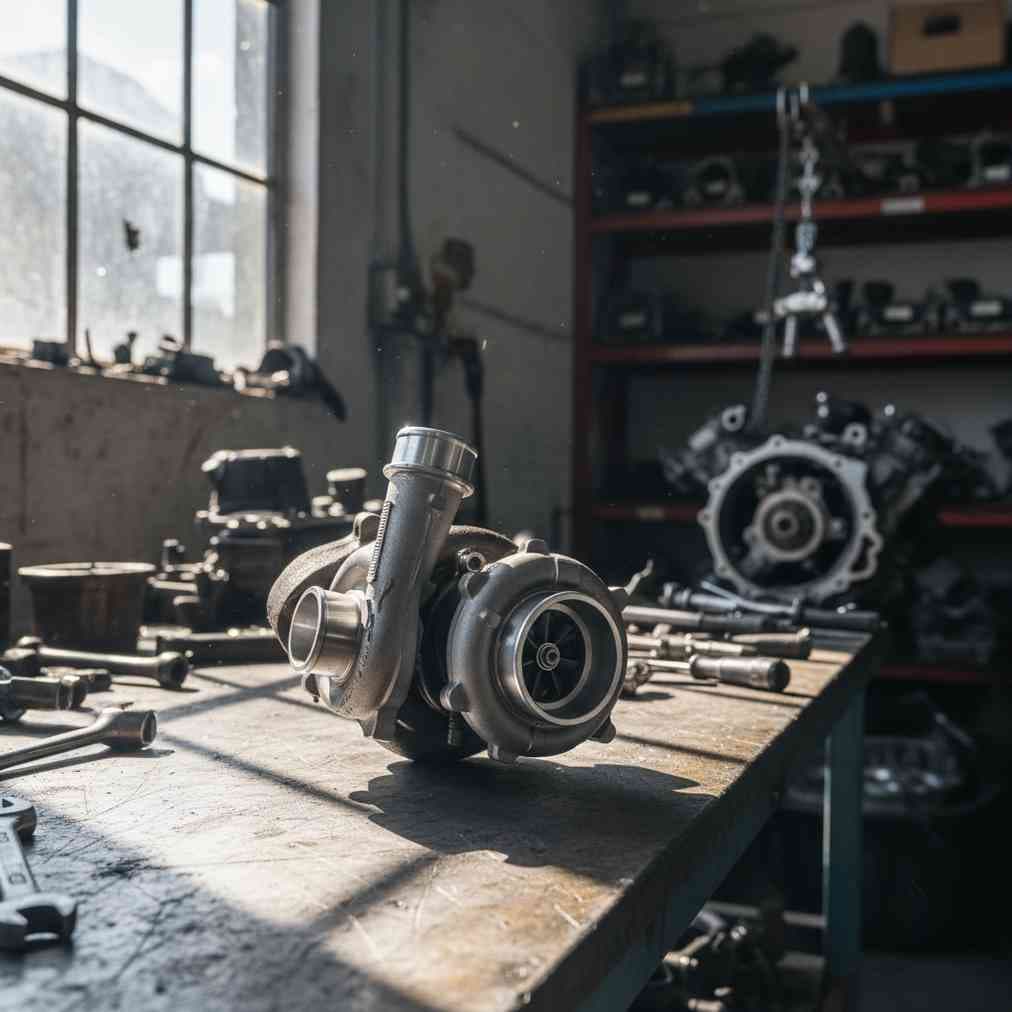
Should You Buy a Used Turbocharger from a Junkyard?
The Financial Reality of Used Turbochargers Purchasing a used turbocharger from a junkyard can be a tempting way to save money on repairs or upgrades. However, it comes with significant risks that must be carefully weighed against the potential cost savings. While some salvageable turbos exist, many require rebuilding or may have hidden damage that [...]
Article image
The Financial Reality of Used Turbochargers
Purchasing a used turbocharger from a junkyard can be a tempting way to save money on repairs or upgrades. However, it comes with significant risks that must be carefully weighed against the potential cost savings. While some salvageable turbos exist, many require rebuilding or may have hidden damage that leads to premature failure.
Understanding the true cost comparison is crucial. Junkyard turbos can sometimes be found for as little as $50-$150, while a rebuild kit might cost $50-$100. However, OEM turbo replacements, including parts and labor, can cost upwards of $4,500. This dramatic price difference makes used options appear attractive, but the hidden costs often narrow this gap significantly.
Critical Inspection Points for Junkyard Turbochargers
Shaft Play Assessment
Shaft play is the most critical inspection factor when evaluating a used turbocharger. Excessive in-and-out (axial) or side-to-side (radial) movement of the turbocharger shaft indicates worn bearings or internal damage that will lead to rapid failure.
“You shouldn't see any shaft play, any in-and-out whatsoever, very minimal side-to-side, there's always going to be some, but keep an eye on the different things.”
Axial play: Very small amount might be acceptable in some designs
Radial play: Significant movement means the turbo is compromised
Loose wheels: If wheels feel floppy, avoid the turbo entirely
Rotation test: Shaft should spin freely without resistance or grinding
Oil Leak Detection
Oil leaks are a major indicator of turbocharger health. When examining used turbos, focus on these key areas:
Exhaust side inspection: Significant coked-up oil suggests shot oil rings
The average lifespan of a turbocharger is around 150,000 miles, with proper maintenance potentially extending this to 200,000 miles or more. However, this applies to turbos that have been well-maintained throughout their service life. Used turbos from junkyards have an unknown history, making their remaining lifespan highly unpredictable.
Several factors affect turbocharger longevity:
Oil change frequency: Regular oil changes are critical for bearing lubrication
Cooldown periods: Allowing turbos to cool before shutdown prevents oil coking
Driving habits: Aggressive driving and excessive boost pressure reduce lifespan
Maintenance quality: Use of proper oil grades and filtration
A thorough visual inspection can reveal most potential problems with used turbochargers. Here's what to examine:
Wheel and Housing Inspection
Compressor wheel: Check for bent, chipped, or cracked blades
Turbine wheel: Look for heat damage, discoloration, or blade damage
Housing contact: Shiny marks on blade edges indicate wheel-to-housing contact
Spin test: Ensure the compressor wheel spins freely without resistance
Crack detection: Examine housing for stress cracks or impact damage
Hardware and Compatibility
Beyond the turbocharger itself, several practical considerations affect usability:
Bolt condition: Exhaust housing bolts may be seized or broken due to heat and rust
Flange compatibility: Ensure bolt patterns match existing manifold and downpipe
Mounting hardware: Check condition of all mounting points and brackets
Line connections: Verify oil and coolant line fittings are undamaged
When searching for turbo parts at junkyards, having a clear checklist prevents costly mistakes and ensures you're getting a potentially viable unit.
Cost-Benefit Analysis: New vs. Used vs. Remanufactured
Option
Initial Cost
Expected Lifespan
Warranty
Risk Level
Junkyard Used
$50-$150
Unknown/Variable
None
High
Rebuilt Used
$200-$400
50,000-100,000 miles
Limited
Medium
Remanufactured
$800-$1,500
100,000-150,000 miles
1-2 years
Low
OEM New
$2,000-$4,500+
150,000-200,000 miles
3+ years
Very Low
The true cost calculation must include potential rebuild expenses, installation labor, and the risk of premature failure. While junkyard turbos offer the lowest upfront cost, they often require additional investment that brings total costs closer to remanufactured alternatives.
Expert Insights and Real-World Experiences
Industry professionals and experienced enthusiasts provide valuable perspective on used turbocharger purchases. Expert discussions on turbocharger reliability consistently emphasize that modern turbos with proper maintenance can be extremely durable.
“If you have a shake problem you see the wheels flopping around in there in the turbine and compression wheel don't rotate in the same time, the best thing to do with this turbocharger is put it in a nice box and throw it in the trash.”
Real-world examples from automotive forums show mixed results. Some enthusiasts report turbos lasting 150,000 miles with high-stress use including track days, but this success required meticulous oil maintenance and proper operating procedures.
When Junkyard Turbos Make Sense
Despite the risks, certain situations favor purchasing used turbochargers from junkyards:
Budget builds: When initial cost is the primary constraint
Learning projects: For understanding turbocharger mechanics and rebuilding
Parts harvesting: Extracting specific components like housings or wheels
Emergency repairs: When immediate temporary operation is needed
Race applications: Where expected lifespan is limited regardless
For those exploring when buying used auto parts makes sense, turbochargers represent one of the more challenging components due to their complexity and wear patterns.
Alternative Solutions and Modern Trends
The automotive aftermarket has evolved to provide alternatives that bridge the gap between risky junkyard purchases and expensive OEM replacements:
Remanufactured Turbochargers
Professional rebuilding: Specialist companies use proper equipment and procedures
Quality control: Testing and balancing ensure reliable operation
Warranty coverage: Most offer 12-24 month warranties
Core exchange programs: Reduce costs through component recycling
Aftermarket New Turbos
New aftermarket turbochargers from reputable manufacturers now offer competitive alternatives to both used and OEM options, often with improved designs and materials at reasonable prices.
Understanding OEM parts quality and availability helps buyers appreciate the trade-offs between original equipment and aftermarket alternatives.
Risk Mitigation Strategies
If you decide to purchase a used turbocharger from a junkyard, several strategies can reduce risk:
Professional inspection: Have a qualified technician evaluate the unit
Rebuild planning: Budget for potential rebuild costs upfront
Supporting system service: Replace oil, filters, and lines when installing
Proper installation: Follow manufacturer procedures for mounting and connections
Break-in protocol: Use appropriate procedures for initial operation
The decision to buy a used turbocharger from a junkyard ultimately depends on your specific situation, mechanical skills, and risk tolerance. For most drivers seeking reliable transportation, the risks outweigh the potential savings.
Choose Junkyard Turbos If:
Budget is the absolute priority
You have mechanical expertise for inspection and rebuilding
The application is temporary or experimental
You're comfortable with potential failure risks
Choose New or Remanufactured If:
Reliability is essential for daily transportation
You want warranty protection
Long-term cost-effectiveness is important
You lack expertise for proper inspection
Remember that turbochargers are complex, precision components operating under extreme conditions. While the initial savings from junkyard purchases can be substantial, the hidden costs of inspection, rebuilding, and potential failure often narrow the gap significantly. For most applications, investing in a properly remanufactured or new turbocharger provides better long-term value and peace of mind.
Whether you choose to explore junkyard options or invest in new components, thorough research and realistic expectations are essential for making the right decision for your specific needs and budget.