Winter Tires vs All-Season: When to Switch and How to Buy
Do you need winter tires? How they compare with all-weather and all-season tires, when to put them on, how long they last, how to buy used ones safely, what yards charge, where studs are restricted, and which tires ranked highest in 2026 tests.
Article image
Short answer: Winter tires are worth it if your days stay near or below 45 degrees F for months and you drive on snow or ice. Michelin recommends fitting them when average daily temperatures consistently approach 45 degrees. In a moderate climate, all-season tires are usually enough, and all-weather tires with the 3PMSF symbol are the middle option. Used winter tires can work, but only after you check age and tread and a tire shop has inspected them.
Last checked: November 1, 2026. Tire types and the 45 degree rule are from Michelin. Used tire limits are from a U.S. Tire Manufacturers Association bulletin. Test results are from Tyre Reviews, including its reports of Tire Rack's 2026 tests. Studded rules are from Washington, Maine, Idaho and Minnesota government pages. This article replaces a 2025 version.
What is the difference between winter, all-weather and all-season tires?
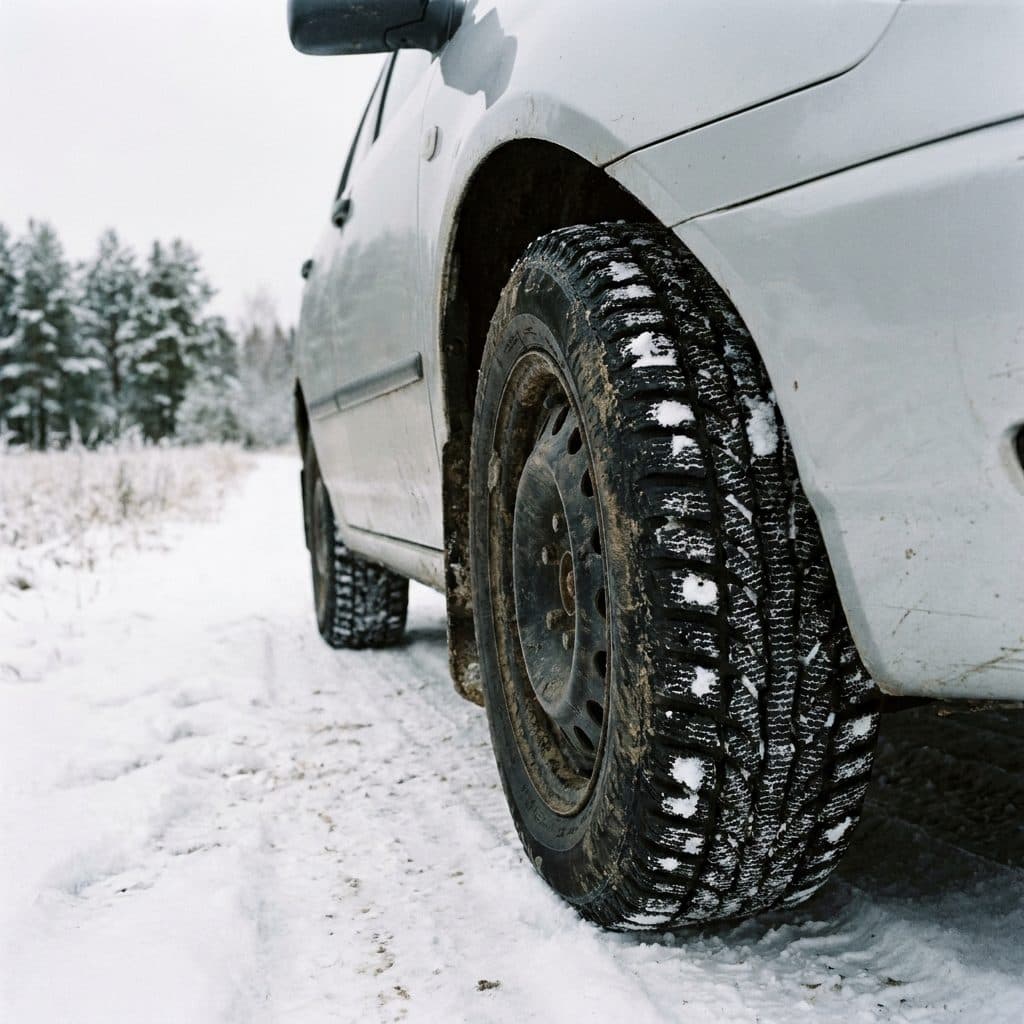
"Snow tires" and "winter tires" mean the same thing in everyday use. The symbol on the sidewall tells you more than the name does. Michelin says M+S is based on the maker's own criteria, while the Three-Peak Mountain Snowflake (3PMSF) means the tire met a standardized winter test.
Type
Sidewall mark
Made for
Year-round?
Winter
3PMSF
Snow, slush, black ice and freezing rain, staying flexible below 45 degrees F
No, swap them in spring
All-weather
3PMSF
A middle ground with certified snow traction and no seasonal swap
Yes
All-season
M+S, no 3PMSF
Rain and light snow in moderate climates, but not heavy snow or ice
Yes
Tire Rack ran all three types on a 2025 Toyota Camry in 215/55 R17 this year. Tyre Reviews published the data on September 4, 2026. These are the shortest stops in each group, not averages, and the test ranks the groups separately, so treat this as a rough picture.
Shortest braking distance
All-season (2 tires)
All-weather (3 tires)
Winter (5 tires)
Snow
24.72 m (81 ft)
17.87 m (59 ft)
17.10 m (56 ft)
Ice
16.76 m (55 ft)
15.42 m (51 ft)
11.80 m (39 ft)
Wet
30.27 m (99 ft)
28.35 m (93 ft)
30.54 m (100 ft)
Dry
25.51 m (84 ft)
25.33 m (83 ft)
28.07 m (92 ft)
The best all-weather tire came close to the winter tires on snow and fell well behind on ice. Winter tires gave up distance on dry pavement, which is one reason to take them off in spring.
When should you put on winter tires?
Michelin says to fit them when average daily temperatures consistently approach 45 degrees F, because all-season rubber starts to stiffen below that point. That is a tire maker's rule of thumb. Fit all four: AAA Northeast says winter tires on all four wheels give the best traction.
Are winter tires worth it?
If you commute through snow, live on a hill or get regular ice, yes. The numbers above show big gaps over all-season tires on both snow and ice. If snow means a few days a year and you can stay home for them, all-season tires with good tread are a fair choice. If you get real snow but will not swap tires twice a year, look at all-weather tires. A second set of wheels makes the swap easier.
How long do winter tires last, and how do you read their age?
Michelin says about 6,000 miles per winter on a 60,000-mile warranty could mean about 10 years of use. Age can end a tire's life first. Michelin says to have tires inspected every year after five years of service and to replace them 10 years after manufacture, whatever the tread looks like.
The date is the last four digits of the DOT code on the sidewall: week, then year. A code ending in 2524 means the 25th week of 2024. Tread is the other limit. The legal minimum in most of the US is 2/32 inch, and Michelin cites Consumer Reports as suggesting you shop for new winter tires at 4/32.
Is it safe to buy used winter tires?
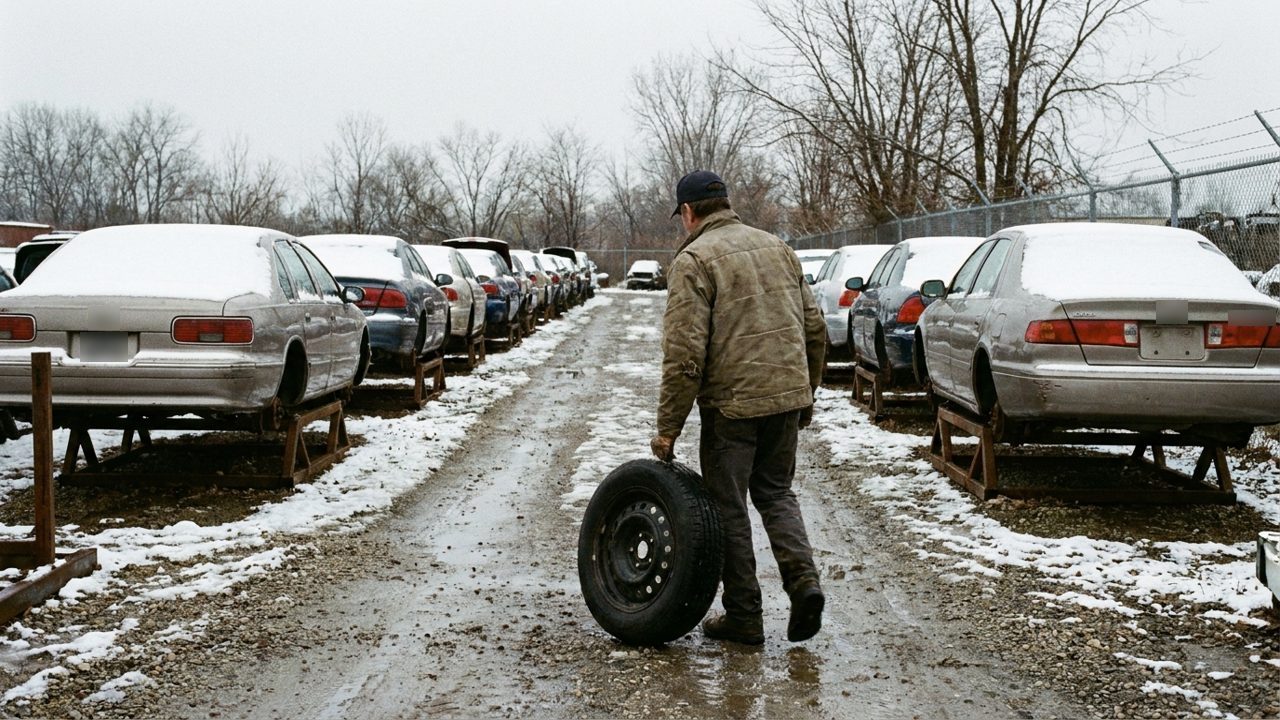
It can be, with care. USTMA says it does not oppose used tire sales but tells consumers to approach them with caution, since the storage and repair history is hard to know. Its used tire bulletin says some damage only shows from inside, so a tire professional should inspect the tire off the wheel before mounting. Pull-A-Part's price page also puts inspection on the buyer.
Check
Pass
Walk away
Age (DOT code)
Our own rule: under five years, the point where Michelin starts yearly inspections
Tyre Reviews says its snow handling gaps deserve extra caution, because the track was above freezing for part of the test. Check that a tire comes in your size in the US. Consumer Reports also rates winter tires, but its ratings are for members and we could not read them.
Tyre Reviews' own video of its 2026 test of nine winter tires, published October 2026.
Are studded tires legal?
It depends on the state, and rules vary. We read these four. For any other state, check its DOT or vehicle code first.
State
Rule we read
Source
Washington
Legal November 1 to March 31, with no individual exceptions or out-of-state waivers. Drivers risk a $137 fine after the deadline.
U-Pull-It.com is an independent directory. We are not affiliated with the businesses named here. Hours, fees, prices and ratings come from their websites and public listings and can change, so call before you go.