Sourcing an OEM Air Conditioning Compressor from a Junkyard
The Value Proposition of Used OEM A/C Compressors When your vehicle's air conditioning compressor fails, the cost of replacement can be staggering. New OEM compressors typically range from $400 to $1,200 or more, excluding labor costs. However, sourcing a used OEM A/C compressor from a junkyard presents a compelling alternative that offers significant savings while [...]
Article image
The Value Proposition of Used OEM A/C Compressors
When your vehicle's air conditioning compressor fails, the cost of replacement can be staggering. New OEM compressors typically range from $400 to $1,200 or more, excluding labor costs. However, sourcing a used OEM A/C compressor from a junkyard presents a compelling alternative that offers significant savings while maintaining quality and supporting environmental sustainability.
Used OEM compressors from reputable salvage yards generally cost between $150 and $500, representing savings of 50% or more compared to new units. This cost-effectiveness makes junkyard sourcing particularly appealing for budget-conscious vehicle owners who need reliable repairs without breaking the bank.
Why Choose Used OEM Over New or Aftermarket
Substantial Cost Savings: Used OEM compressors offer the most significant financial advantage, often costing half or less than new alternatives
Proven OEM Quality: These components were manufactured to exact vehicle specifications, ensuring better compatibility and performance than many aftermarket options
Environmental Benefits:Buying used auto parts reduces waste and minimizes the environmental impact of manufacturing new components
Availability for Older Models: Junkyards often stock parts for discontinued or rare vehicles where new parts are scarce
Supporting Local Economy: Purchasing from local salvage yards helps sustain the auto recycling industry and local businesses
Understanding OEM car parts meaning and quality is crucial when making this decision. While new compressors may offer longer warranties, a properly inspected used OEM unit can provide years of reliable service with appropriate maintenance.
Essential Inspection Checklist for Used A/C Compressors
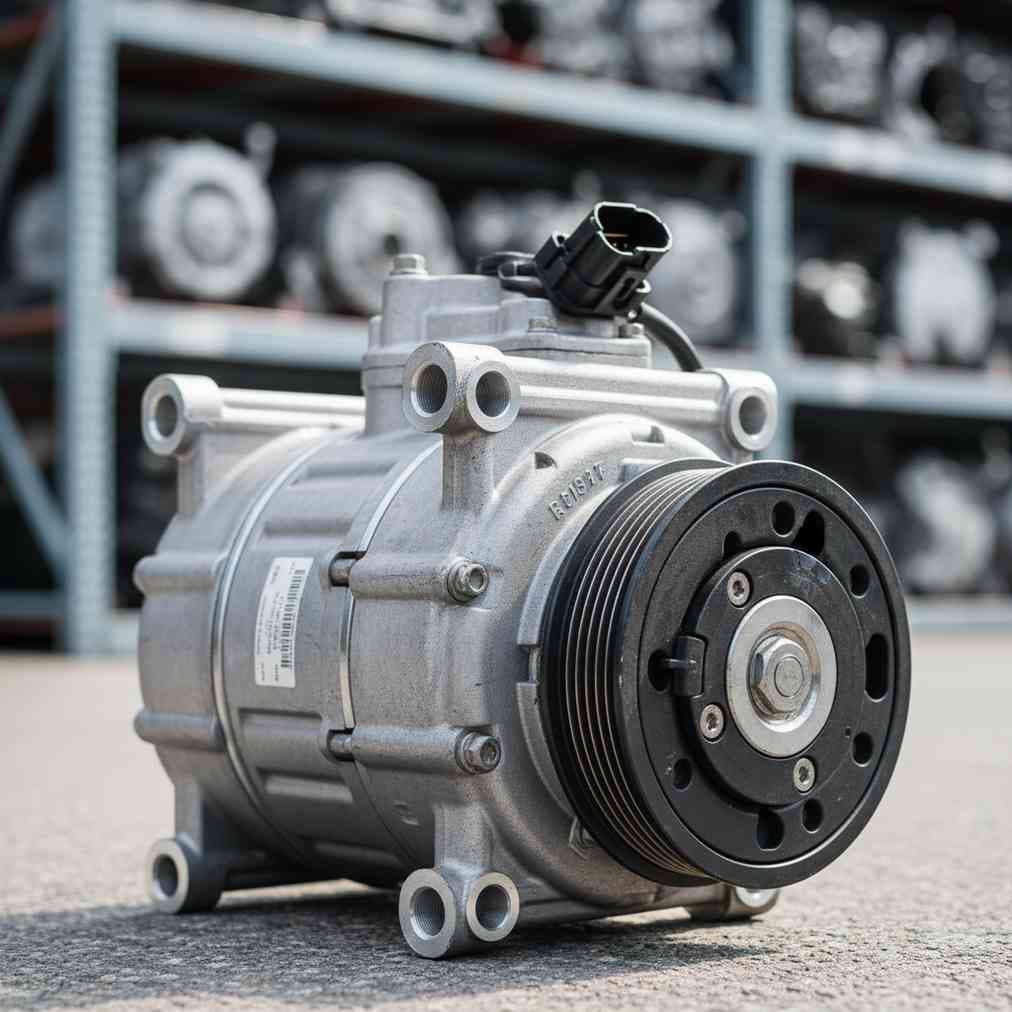
Thorough inspection is critical when sourcing a used A/C compressor from a junkyard. A systematic approach can help you identify potential issues and ensure you're getting a functional component that will serve your vehicle well.
Visual Inspection Points
Component
What to Check
Red Flags
Housing
Cracks, dents, impact damage
Visible cracks or severe deformation
Mounting Points
Integrity of bolt holes and brackets
Stripped threads or damaged brackets
Pulley & Clutch
Smooth rotation, no grinding
Wobbly pulley or seized rotation
Seals & Gaskets
Oil leaks around connections
Visible oil residue or wetness
Connections
Clean inlet/outlet ports
Debris or corrosion in ports
When examining the compressor housing, look for any signs of impact damage that might indicate the vehicle was in an accident. The mounting points are particularly critical since damaged brackets can make installation impossible or unsafe.
Functional Testing Procedures
If possible at the junkyard, perform these functional tests to verify compressor operation:
Clutch Engagement Test: Apply 12V power to the clutch – it should engage smoothly and the pulley should spin with the clutch plate
Resistance Testing: Use a multimeter to test clutch coil resistance (typically 3-5 ohms, though this varies by model)
Manual Rotation: Spin the pulley by hand to check for smooth operation without grinding or excessive noise
Pressure Test: Advanced users can use a drill motor to spin the compressor shaft and measure pressure output
Understanding the symptoms of a failing A/C compressor helps you diagnose issues early and avoid more extensive system damage. Recognizing these warning signs can save you money and prevent inconvenient breakdowns.
Common Failure Symptoms
Insufficient Cooling: The most obvious sign – A/C blowing warm or less cold air than normal
Unusual Noises: Grinding, rattling, squealing, or whining sounds from the engine compartment when A/C is engaged
Clutch Problems: Compressor clutch fails to engage when A/C is turned on
Visible Leaks: Oil or refrigerant leaks around the compressor or its connections
Excessive Cycling: Compressor turning on and off too frequently
Burning Odor: Sweet, chemical smell under the hood indicating refrigerant leaks or overheating
These symptoms often develop gradually, so regular attention to your vehicle's A/C performance can help catch problems early. Just as with other common car problems, early detection saves money and prevents more extensive damage.
Compatibility and Part Number Verification
Ensuring compatibility is absolutely critical when sourcing a used A/C compressor. The wrong part can cause system damage, poor performance, or complete failure. Proper part verification prevents costly mistakes and installation problems.
Key Compatibility Factors
Factor
Why It Matters
How to Verify
OEM Part Number
Ensures exact fit and function
Cross-reference with vehicle manual or databases
Refrigerant Type
R134a vs R12 compatibility crucial
Check system specifications and compressor labeling
Displacement
Affects cooling capacity
Match cubic centimeter (cc) rating exactly
Electrical Connections
Clutch wiring must match
Compare connector types and pin configurations
Mounting Configuration
Must fit existing brackets
Compare bolt patterns and orientation
Always bring your vehicle's VIN number and the failed compressor's part number when shopping at junkyards. This information helps salvage yard personnel locate the correct replacement and avoid compatibility issues.
Maximizing Value from Junkyard Sourcing
Getting the best deal on a used A/C compressor requires strategy and preparation. Smart shopping approaches can help you find quality parts at the best prices while minimizing risks.
Building relationships with local salvage yard staff can lead to better deals and advance notice when suitable vehicles arrive. Many yards will call regular customers when specific parts become available.
Quality Assessment Priorities
When evaluating multiple compressor options, prioritize these quality indicators:
Donor Vehicle History: Avoid parts from flood-damaged or severely damaged vehicles
Operating Hours: Look for compressors from vehicles with documented maintenance
Storage Conditions: Parts stored indoors typically have less corrosion
Recent Removal: Freshly removed parts often have better preservation
Complete Assemblies: Compressors with all brackets and hardware intact save installation time
Installation Considerations and Best Practices
Successfully installing a used A/C compressor requires attention to system cleanliness and proper procedures. Professional installation practices ensure longevity and optimal performance from your salvaged component.
Pre-Installation Requirements
System Flush: Clean the entire A/C system to remove debris and old oil
Component Replacement: Replace the receiver/dryer and expansion valve with new parts
Oil Verification: Ensure proper compressor oil type and quantity
Leak Testing: Pressure test the system before adding refrigerant
Vacuum Process: Remove moisture and air from the system completely
Many A/C system failures result from contamination or improper installation rather than compressor defects. Following proper procedures protects your investment and ensures reliable operation.
Environmental Impact and Sustainability Benefits
Choosing used A/C compressors supports environmental sustainability through multiple pathways. The auto recycling industry plays a crucial role in reducing waste and conserving resources, making junkyard sourcing an environmentally responsible choice.
“Remanufacturing and reusing automotive components like A/C compressors conserves significant energy and raw materials compared to new production, while diverting usable parts from landfills.”
The environmental benefits extend beyond simple waste reduction. Auto recyclers contribute to sustainable manufacturing by reducing demand for new raw materials and the energy-intensive production processes required for new components.
Sustainability Advantages
Resource Conservation: Reduces mining and processing of raw materials needed for new compressors
Energy Savings: Eliminates energy consumption required for manufacturing new units
Waste Reduction: Prevents functional components from entering landfills
Carbon Footprint: Minimizes transportation and manufacturing emissions
Circular Economy: Supports sustainable business models in automotive industry
Cost Comparison and Value Analysis
Understanding the complete cost picture helps justify the used compressor decision. While initial savings are obvious, the total value proposition includes installation costs, reliability, and long-term performance considerations.
Option
Part Cost
Installation
Warranty
Total Investment
New OEM
$400-$1,200
$200-$400
1-3 years
$600-$1,600
Used OEM
$150-$500
$200-$400
30-90 days
$350-$900
Aftermarket New
$200-$600
$200-$400
1-2 years
$400-$1,000
Rebuilt/Remanufactured
$300-$700
$200-$400
1-2 years
$500-$1,100
The analysis shows used OEM compressors offer the lowest total investment while maintaining original equipment quality. This makes them particularly attractive for older vehicles where repair costs must be balanced against vehicle value.
Finding the Right Salvage Yard
Not all junkyards are created equal when it comes to A/C compressor sourcing. Selecting reputable salvage yards with proper storage and handling practices increases your chances of finding quality components.
Yard Selection Criteria
Inventory Management: Well-organized yards with computerized inventory systems
Storage Practices: Indoor or covered storage for sensitive components
Testing Capabilities: Yards that test electrical components before sale
Warranty Policies: Reasonable return/exchange policies for defective parts
Staff Knowledge: Experienced personnel who understand A/C system components
Vehicle Variety: Diverse inventory increasing chances of finding your specific part
Consider exploring U-pull-it style operations where you can inspect and remove parts yourself, often at lower costs than full-service yards.
Alternative Sourcing Options
While traditional junkyards remain popular, modern technology has expanded sourcing options for used A/C compressors. Online platforms and specialized automotive recyclers offer additional opportunities to find the right part.
Modern Sourcing Channels
Online Salvage Networks: Platforms connecting multiple yards with searchable inventories
Automotive Recycler Networks: Professional operations specializing in tested, warranted components
Mobile Apps: Smartphone applications for locating specific parts across multiple locations
Direct Manufacturer Programs: Some OEMs offer certified used parts programs
Specialty A/C Shops: HVAC specialists often stock tested used compressors
These modern channels often provide better documentation, testing, and warranty coverage compared to traditional walk-in junkyards, though typically at slightly higher prices.
Making the Final Decision
Sourcing an OEM A/C compressor from a junkyard represents a smart balance of cost savings, quality, and environmental responsibility. Success depends on thorough inspection, proper compatibility verification, and professional installation practices.
The substantial cost savings – often 50% or more compared to new parts – make this approach particularly appealing for budget-conscious repairs. Combined with the environmental benefits of auto recycling and the proven quality of OEM components, junkyard sourcing offers compelling value for most vehicle owners.
Remember that success requires patience, preparation, and realistic expectations. A well-chosen used OEM compressor can provide years of reliable service while keeping your vehicle comfortable and your wallet happy. Whether you're working on routine maintenance or emergency repairs, the junkyard option deserves serious consideration for your A/C compressor replacement needs.