Specialty Used Auto Parts for Classic Cars: What's Available
Understanding the Specialty Used Auto Parts Market for Classic Cars The world of specialty used auto parts for classic cars represents a thriving marketplace where passionate enthusiasts and dedicated restorers seek authentic components to bring vintage vehicles back to life. This treasure hunt requires patience, knowledge, and strategic sourcing methods to locate the perfect parts [...]
Article image
Understanding the Specialty Used Auto Parts Market for Classic Cars
The world of specialty used auto parts for classic cars represents a thriving marketplace where passionate enthusiasts and dedicated restorers seek authentic components to bring vintage vehicles back to life. This treasure hunt requires patience, knowledge, and strategic sourcing methods to locate the perfect parts for your classic automobile restoration project.
With the global classic car restoration parts market valued at USD 6.0 billion in 2024 and projected to reach USD 10.0 billion by 2032 at a CAGR of 7.0%, the demand for quality used parts continues to grow. According to the U.S. Census Bureau, approximately 890,000 classic cars are waiting to be restored across the United States.
Types of Specialty Parts Available for Classic Cars
The specialty used auto parts market offers an extensive range of components essential for classic car restoration and maintenance. Understanding what's available helps collectors and restorers make informed purchasing decisions.
Engine and Transmission Components
Original Equipment Manufacturer (OEM) parts – Authentic components made by the car's original manufacturer
Successfully sourcing specialty used auto parts requires a multi-faceted approach combining traditional and modern methods. Each source offers unique advantages for different types of components and restoration budgets.
Online Marketplaces and Specialized Retailers
Digital platforms have revolutionized access to classic car parts, offering global inventories with detailed listings and photographs. Popular options include Classics on Autotrader for complete vehicles and parts cars, and specialized restoration suppliers like JEGS for comprehensive restoration components.
eBay Motors – Vast selection with seller ratings and buyer protection
Craigslist – Local deals with potential for negotiation
Specialty vintage auto parts websites – Curated inventories from experts
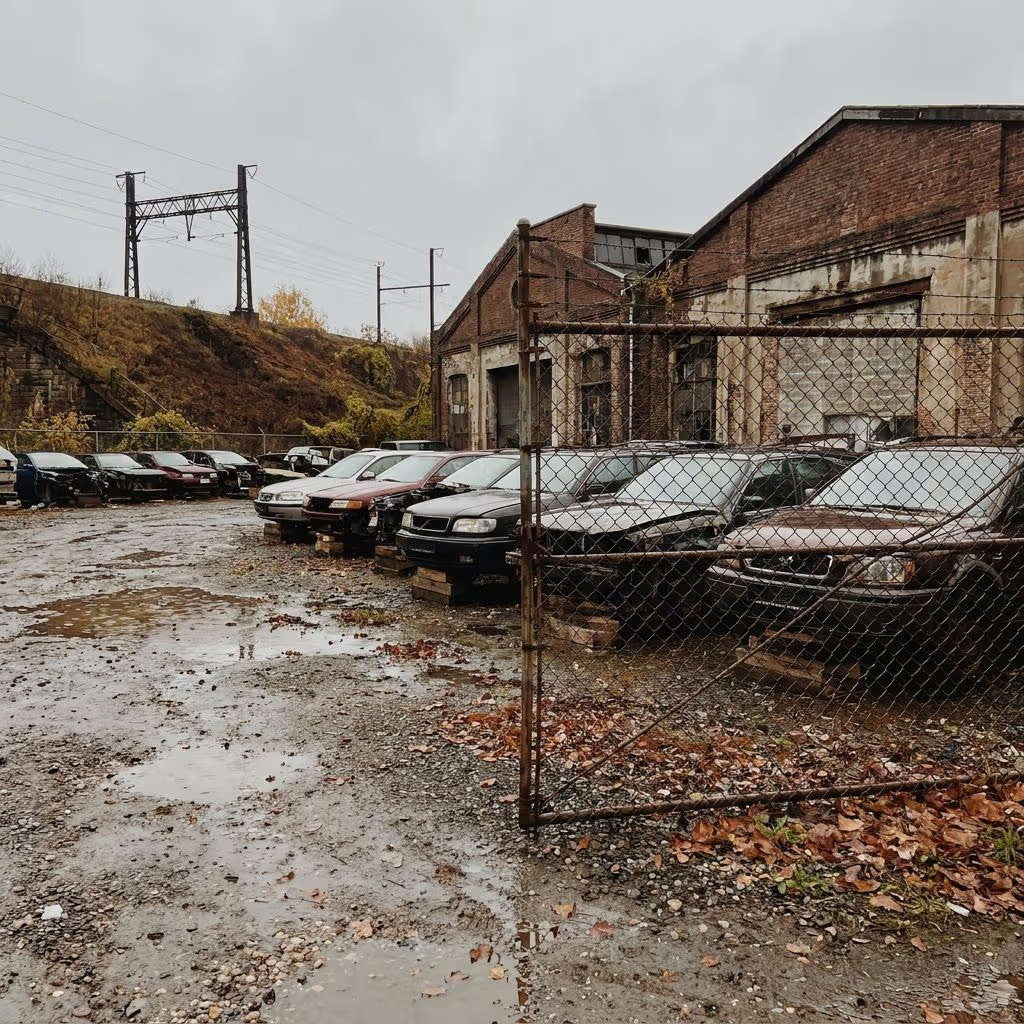
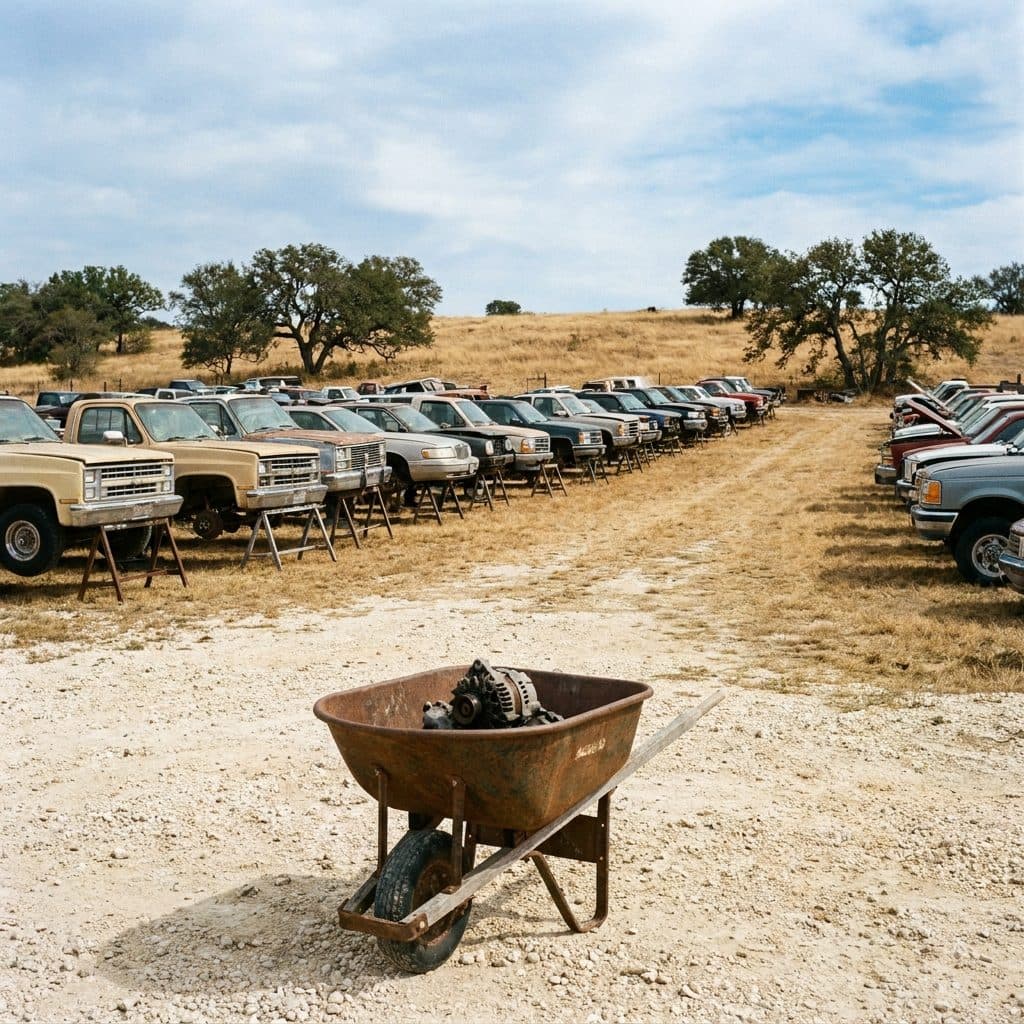
U-pull-it junkyards and traditional salvage yards remain treasure troves for hard-to-find classic car components. These facilities often house complete donor vehicles that can provide multiple parts for restoration projects at significantly lower costs than new or refurbished alternatives.
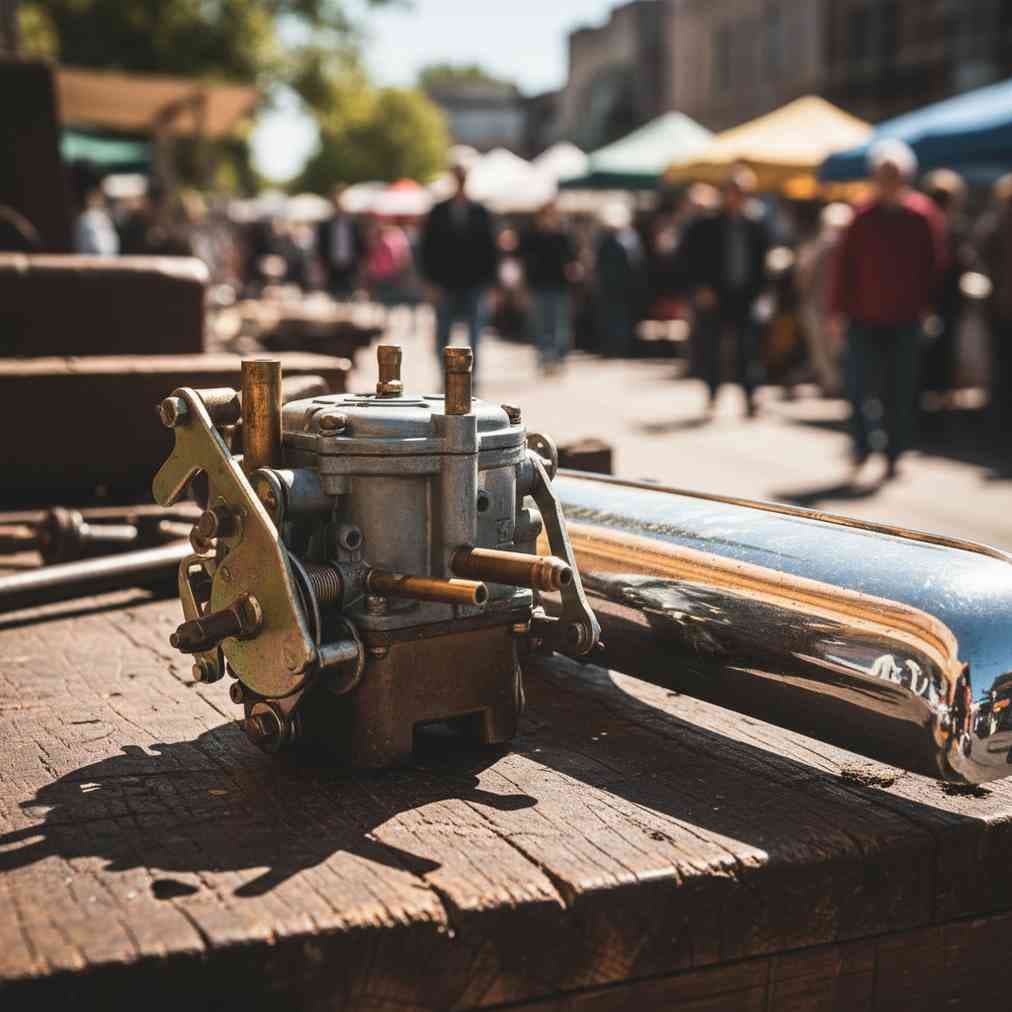
Live events provide unmatched opportunities for hands-on inspection and direct negotiation with sellers. Gateway Classic Cars operates 20 showrooms nationally, demonstrating the continued importance of physical locations in the classic car market.
“Car shows and swap meets are crucial for networking and finding those one-off parts that simply don't appear online. The relationships you build at these events often lead to the best deals and rarest finds.”
Common Sourcing Challenges and Solutions
The pursuit of specialty used auto parts for classic cars presents unique challenges that require strategic approaches and realistic expectations.
Parts Scarcity and Availability
As classic cars age, original components become increasingly scarce. Manufacturers typically cease production once demand drops, making authentic parts precious commodities. The availability often correlates directly with the original production numbers – popular models like VW Beetles and Ford Mustangs generally have better parts availability than limited-production vehicles.
High-production classics – Better parts availability (Chevrolet, Ford, Pontiac)
Foreign classics – Variable availability depending on import history
Performance variants – Often have specialized parts with limited availability
Condition and Quality Concerns
Age, environmental factors, and previous use significantly impact the condition of available parts. Understanding when to buy used auto parts versus investing in reproduction components requires careful evaluation of each situation.
The classic car parts market unfortunately contains counterfeit and substandard components. Proper verification requires knowledge of original part numbers, manufacturer markings, and material specifications.
Verification Method
Reliability
Best For
Part Number Matching
High
Engine components, electrical parts
Manufacturer Markings
High
All metal components
Material Analysis
Very High
Suspicious or rare parts
Expert Opinion
Variable
Complex or valuable components
Essential Restoration Tips for Success
Successful classic car restoration requires meticulous planning, realistic budgeting, and strategic parts sourcing. Industry experts consistently emphasize the importance of thorough preparation before beginning any restoration project.
Develop a Comprehensive Game Plan
Choose restoration type – Original authenticity vs. restomod approach
Create detailed parts inventory with specific part numbers
Consider professional refurbishment for critical parts
Document all work for future reference
Use proper tools and techniques for installation
Current Market Trends and Future Developments
The classic car parts market continues evolving with technological advances and changing consumer preferences. Understanding these trends helps restorers make informed decisions about their projects and investment strategies.
Technology Integration
Modern technology increasingly supports classic car restoration through improved manufacturing techniques and digital documentation systems.
3D Printing Revolution – Precise recreation of discontinued parts
Digital Documentation – Enhanced service records and value verification
Online Inventory Systems – Real-time parts availability tracking
CNC Machining – Custom fabrication of unavailable components
Generational Shifts
Younger enthusiasts bring different perspectives to classic car ownership, often preferring performance upgrades alongside authentic restoration. This “restomod” trend influences parts demand and availability.
Growing interest in 1970s-1990s vehicles
Preference for modern performance upgrades
Enhanced safety system integration
Improved reliability through modern components
Economic Factors
The classic car restoration parts market shows strong growth potential, with retail part sales accounting for $1.81 billion in 2022 alone. This growth reflects sustained enthusiasm for vintage vehicle preservation.
Market Segment
2024 Value
2032 Projection
Growth Rate
Total Restoration Parts Market
$6.0 billion
$10.0 billion
7.0% CAGR
U.S. Classic Car Count
890,000 units
1.2 million (est.)
3.8% annually
Retail Parts Sales
$1.81 billion
$2.85 billion (est.)
5.8% CAGR
Building Your Parts Network
Success in sourcing specialty used auto parts relies heavily on developing strong relationships within the classic car community. These connections often prove more valuable than any single source or supplier.
Community Engagement Strategies
Join marque-specific clubs and organizations
Participate in online forums and social media groups
Conclusion: Navigating the Specialty Parts Marketplace
The specialty used auto parts market for classic cars offers incredible opportunities for dedicated enthusiasts willing to invest time and effort in their restoration projects. With proper planning, strategic sourcing, and community engagement, finding the perfect components for your classic car becomes an achievable goal rather than an impossible dream.
Success requires patience, knowledge, and persistence, but the rewards of bringing a classic automobile back to life with authentic components make the journey worthwhile. Whether you're restoring a common muscle car or preserving a rare European classic, understanding the marketplace and available resources ensures your restoration project achieves both authenticity and excellence.
For more information about sourcing quality used auto parts and restoration tips, visit our comprehensive automotive blog for expert advice and industry insights.