The DIY Off-Roader: Best Junkyard Parts for a Budget Build
Building Your Dream Off-Roader: A Budget-Conscious Approach For aspiring off-road enthusiasts with champagne dreams but beer budgets, building a capable trail machine doesn't have to break the bank. The secret lies in smart shopping at salvage yards and understanding which donor vehicles offer the best bang for your buck. With a realistic budget of $5,000 [...]
Article image
Building Your Dream Off-Roader: A Budget-Conscious Approach
For aspiring off-road enthusiasts with champagne dreams but beer budgets, building a capable trail machine doesn't have to break the bank. The secret lies in smart shopping at salvage yards and understanding which donor vehicles offer the best bang for your buck. With a realistic budget of $5,000 to $10,000 and plenty of DIY spirit, you can create an off-road beast that rivals much more expensive builds.
The key to successful budget off-road builds is prioritizing essential performance parts while doing the labor yourself. This approach not only saves money but also gives you intimate knowledge of every bolt on your rig. Modern data analysis shows that DIY builds typically cost 60-70% less than professional builds while offering comparable performance.
Top Donor Vehicles for Your Budget Build
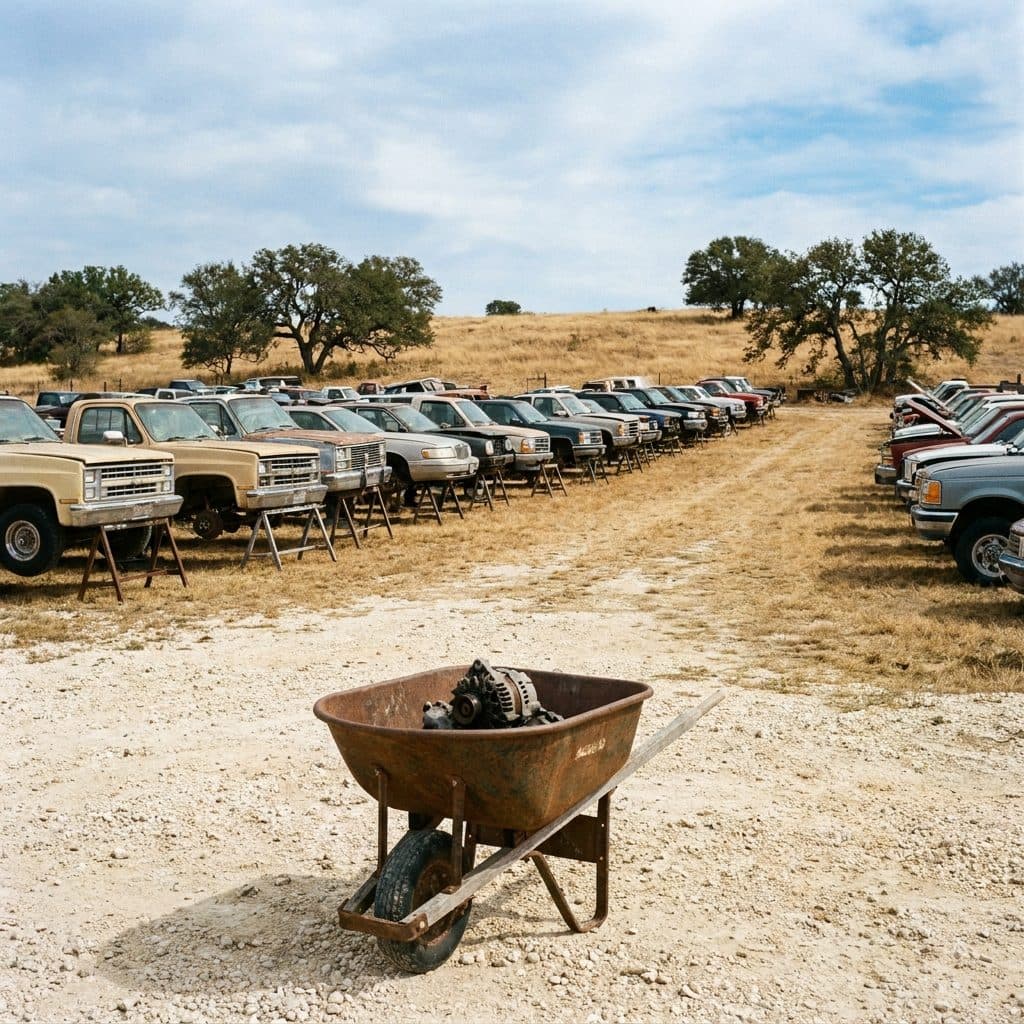
The foundation of any successful build starts with choosing the right donor vehicle. The best candidates are those with strong factory parts, extensive aftermarket support, and widespread availability in junkyards near you. Here are the top contenders that offer the most value for budget builders:
Rank
Donor Vehicle
High-Value Junkyard Parts
Key Advantages
1
Jeep Cherokee (XJ) (pre-1997)
Dana 30/35 axles, 4.0L inline-six engine, leaf spring suspension
Unibody construction, massive aftermarket, affordable base price
2
Ford Ranger (pre-1997)
Twin Traction Beam suspension, 4.0L engine, drivetrain parts
High availability, cross-platform compatibility, desert-proven
Toyota reliability, cheaper than Tacomas, trophy truck potential
5
Full-Size Chevy K10/K30
Dana 60 front, 14-bolt rear, NP205 transfer case, 454 V8
Heavy-duty factory 4WD setup, proven durability
High-Value Parts to Hunt For
When scouring salvage yards, certain parts offer exceptional value for off-road builds. Understanding what to look for can mean the difference between a weekend warrior and a trail-conquering machine.
Heavy-Duty Axles: The Foundation of Capability
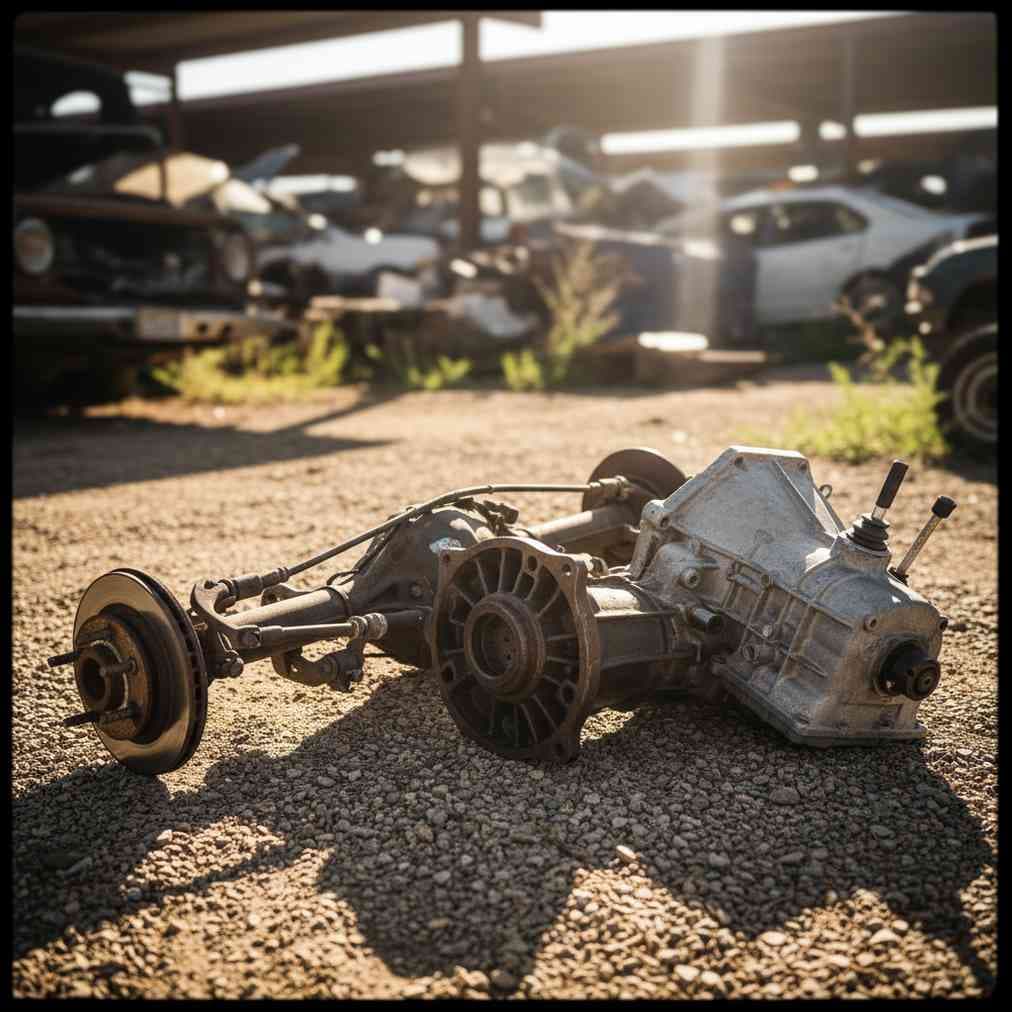
The axles are arguably the most critical upgrade for serious off-roading. Look for these proven performers:
Dana 60 front axles from full-size Chevy/GMC trucks or Ford Super Duty vehicles
14-bolt rear axles from heavy-duty trucks – virtually indestructible
Dana 44 axles as a middle-ground option for moderate builds
Factory locking differentials from any donor vehicle
These heavy-duty axles are significantly stronger than the lightweight units found in most passenger vehicles and can handle the abuse of rock crawling and high-torque situations.
Transfer Cases: The Power Distributor
Gear-driven transfer cases like the legendary NP205 are highly prized for their strength and durability. These units are far superior to chain-driven alternatives and offer the low-range gearing essential for technical terrain. Look for transfer cases from:
1980s Chevy and GMC trucks
Early Ford Broncos and F-series trucks
International Harvester Scouts
Armor and Protection Parts
Protection is crucial for off-road survival. Quality salvage yards often have rock sliders, skid plates, and bumpers that can be modified to fit different vehicles. Don't overlook using a heavy-duty hitch receiver as a rear slide point – it's much cheaper than a custom bumper and equally effective.
Essential Inspection Techniques for Used Parts
Thorough inspection is your best defense against buying junk. Here's how to evaluate critical parts before purchase:
Solid Axle Inspection Checklist
Housing Straightness: Visually inspect for bending or impact damage that could cause alignment issues
Fluid Analysis: Drain differential oil and look for metal chunks (small flakes are normal wear)
Gear Tooth Condition: Ring and pinion teeth should be relatively flat, not sharp or excessively worn
Carrier Bearings: Check for excessive play or damage in spider gears
Seal Integrity: Look for wet spots indicating failing pinion or axle seals
“The differential fluid tells the whole story. Clean oil with minimal metallic content indicates a healthy axle, while chunky debris means you're buying someone else's problem.”
Transfer Case Evaluation
Transfer cases are complex and expensive to rebuild, making careful inspection crucial:
External Damage: Check for cracks, heavy rust, or fluid leaks
Gear Engagement: If possible, test shifting between 2H, 4H, and 4L modes
Fluid Condition: Look for contamination or excessive metallic debris
Smooth Operation: Listen for grinding or unusual noises during operation
Consider purchasing only from trusted sources or having a knowledgeable mechanic inspect the unit before buying.
Smart Shopping Strategies
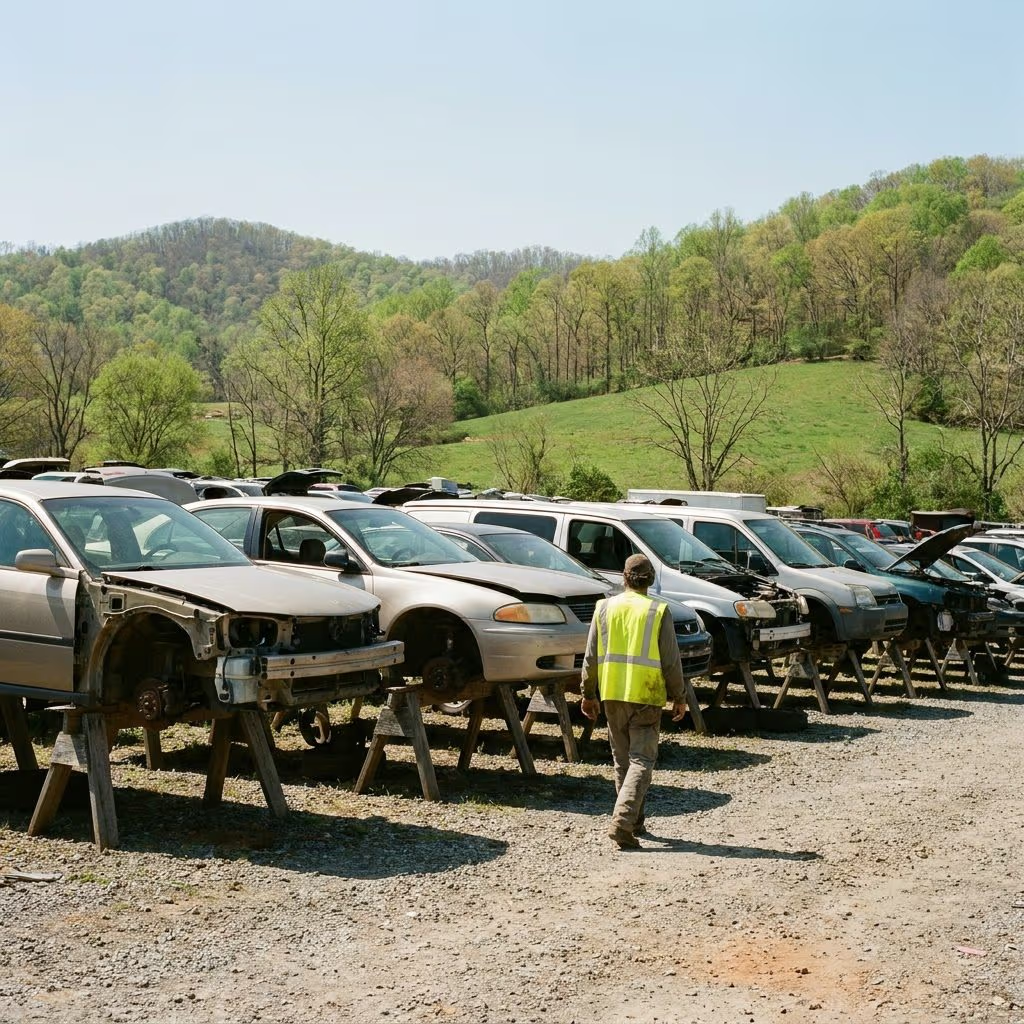
Success at the junkyard requires strategy and preparation. Understanding market trends and pricing can help you score better deals.
Research Before You Go
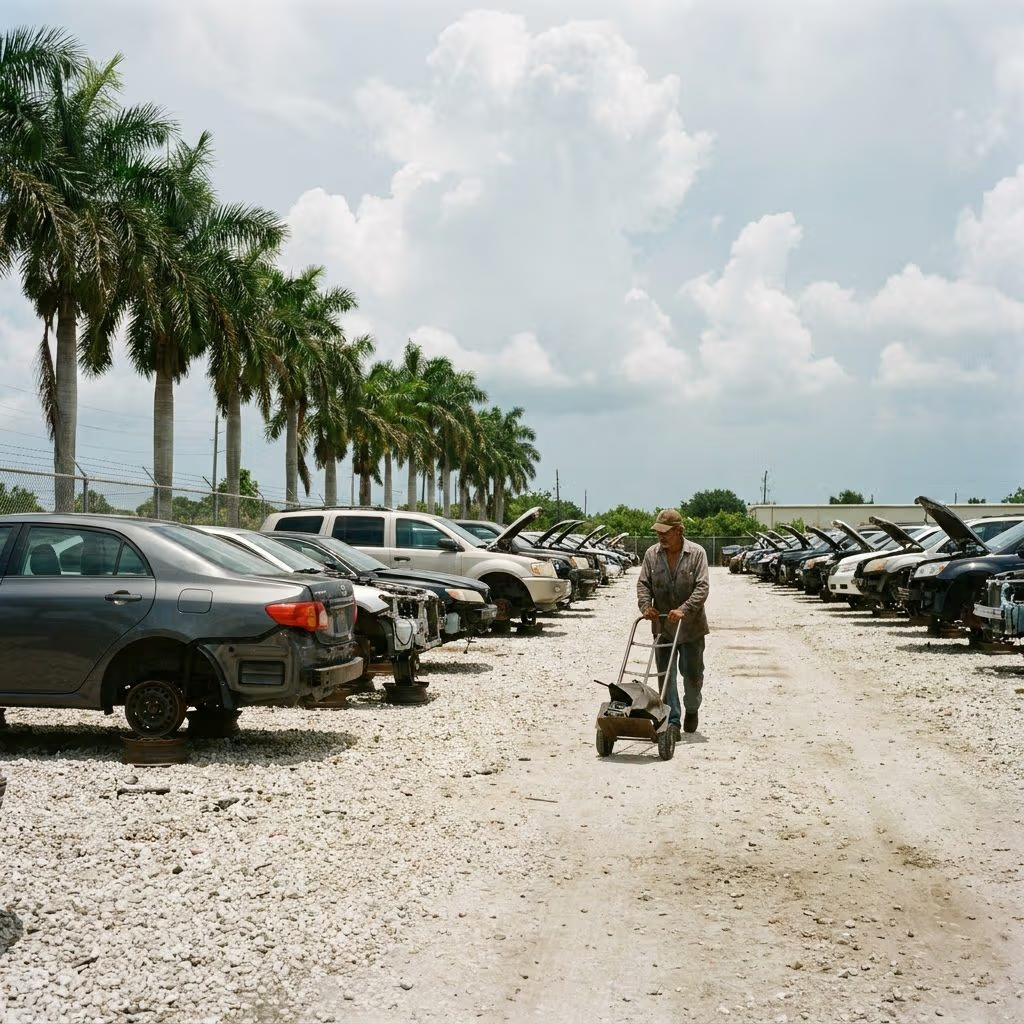
Knowledge is power in the salvage yard. Modern inventory systems make it easier than ever to research part compatibility and pricing before you visit. Know exactly which axle ratios, transfer case models, and engine options you need.
Timing Your Visits
Fresh inventory often arrives midweek, making Wednesday and Thursday prime hunting days. Avoid weekends when competition from other DIY builders is heaviest. Many yards also offer discounts on holidays or slow days.
The DIY Advantage
The budget build movement thrives on self-reliance. Performing your own labor is the single biggest factor in keeping costs manageable. More importantly, understanding every system on your rig means you can fix problems on the trail rather than calling for rescue.
Essential Skills to Develop
Basic Welding: Critical for fabricating mounts and reinforcements
Electrical Work: Understanding wiring for lights, winches, and accessories
Suspension Geometry: Proper alignment and setup for optimal performance
Engine and Drivetrain: Basic maintenance and troubleshooting
Video tutorials and online communities provide invaluable learning resources for developing these skills.
Solid Axle vs Independent Front Suspension
For budget builders, this choice often comes down to intended use and available parts. Solid front axles excel in rock crawling and technical terrain due to their:
Superior articulation and ground clearance
Simpler, more robust design
Easier maintenance and modification
Better durability under extreme loads
Independent Front Suspension (IFS) systems work better for high-speed desert running and provide superior on-road comfort, but they're more complex and expensive to modify.
Budget-Friendly Modification Ideas
Creativity and resourcefulness can stretch your budget further than you might imagine. Here are proven cost-cutting strategies:
Cross-Platform Part Swapping
Many parts interchange between different vehicles. For example, rock sliders designed for a Toyota 4Runner can often be modified to fit other trucks with some fabrication work. This opens up a much larger selection of used parts.
Hybrid Builds
Don't be afraid to mix and match the best parts from different vehicles. A Chevy truck with Toyota axles and a Ford transfer case might sound frankenstein-ish, but if the parts work together and fit your budget, it's a winning combination.
Safety and Legal Considerations
When building an off-road vehicle, safety should never be compromised for budget savings. Certain parts should always be purchased new or thoroughly inspected:
Brake parts: Pads, rotors, and hydraulic parts affect stopping power
Steering parts: Worn steering parts can cause loss of control
Safety equipment: Roll cages, harnesses, and fire extinguishers
Suspension fasteners: Critical bolts should be replaced, not reused
Planning Your Build Timeline
Successful budget builds happen in phases. Start with the most critical systems and upgrade over time as budget allows:
Phase
Priority
Estimated Cost
1
Axles and Transfer Case
$2,000-3,500
2
Suspension and Tires
$1,500-2,500
3
Armor and Protection
$800-1,500
4
Accessories and Upgrades
$700-2,000
When to Consider Selling Your Current Vehicle
Sometimes the most budget-friendly approach is to start fresh. If your current vehicle needs extensive work or lacks the foundation for a good build, it might be time to get cash for your current car and put that money toward a better donor vehicle.
Building Community and Finding Help
The off-road community is incredibly supportive of budget builders. Online forums and social media groups provide invaluable resources for troubleshooting, part identification, and moral support during challenging builds.
Local off-road clubs often have members willing to share tools, workspace, and expertise. Don't underestimate the value of experienced guidance when tackling complex modifications.
Making Your Budget Work
Success with a budget off-road build requires patience, research, and realistic expectations. Focus on functionality over aesthetics, prioritize safety-critical systems, and build your skills alongside your vehicle. With the right approach and smart parts selection from salvage yards, you can create an off-road machine that performs far above its modest price tag.
Remember, the most important ingredient in any successful build isn't money – it's determination. Research shows that DIY builders who approach their projects systematically and learn from each challenge typically end up with more reliable, better-performing rigs than those who simply throw money at problems.
Start planning your build today, and soon you'll be conquering trails that once seemed impossible – all while staying within your budget and learning invaluable skills along the way.