The "Grit Factor": A Realistic Look at What to Wear and Expect
What is the "Grit Factor" at Auto Salvage Yards? Welcome to the automotive equivalent of an archaeological dig, but instead of ancient pottery, you're hunting for a 15mm bolt or a perfectly intact alternator. The "Grit Factor" is the unwritten rule of every junkyard near me: it is not a clean showroom, and you will [...]
Article image
What is the “Grit Factor” at Auto Salvage Yards?
Welcome to the automotive equivalent of an archaeological dig, but instead of ancient pottery, you're hunting for a 15mm bolt or a perfectly intact alternator. The “Grit Factor” is the unwritten rule of every junkyard near me: it is not a clean showroom, and you will get dirty. Understanding what to expect and how to dress appropriately can make the difference between a successful parts-pulling adventure and a miserable experience.
The Reality Check: Mud, Grease, and Everything In Between
The environment at auto salvage yards is inherently messy, regardless of the weather conditions. This isn't your typical retail experience where everything is clean and organized.
Mud and Grime Are Your Constant Companions
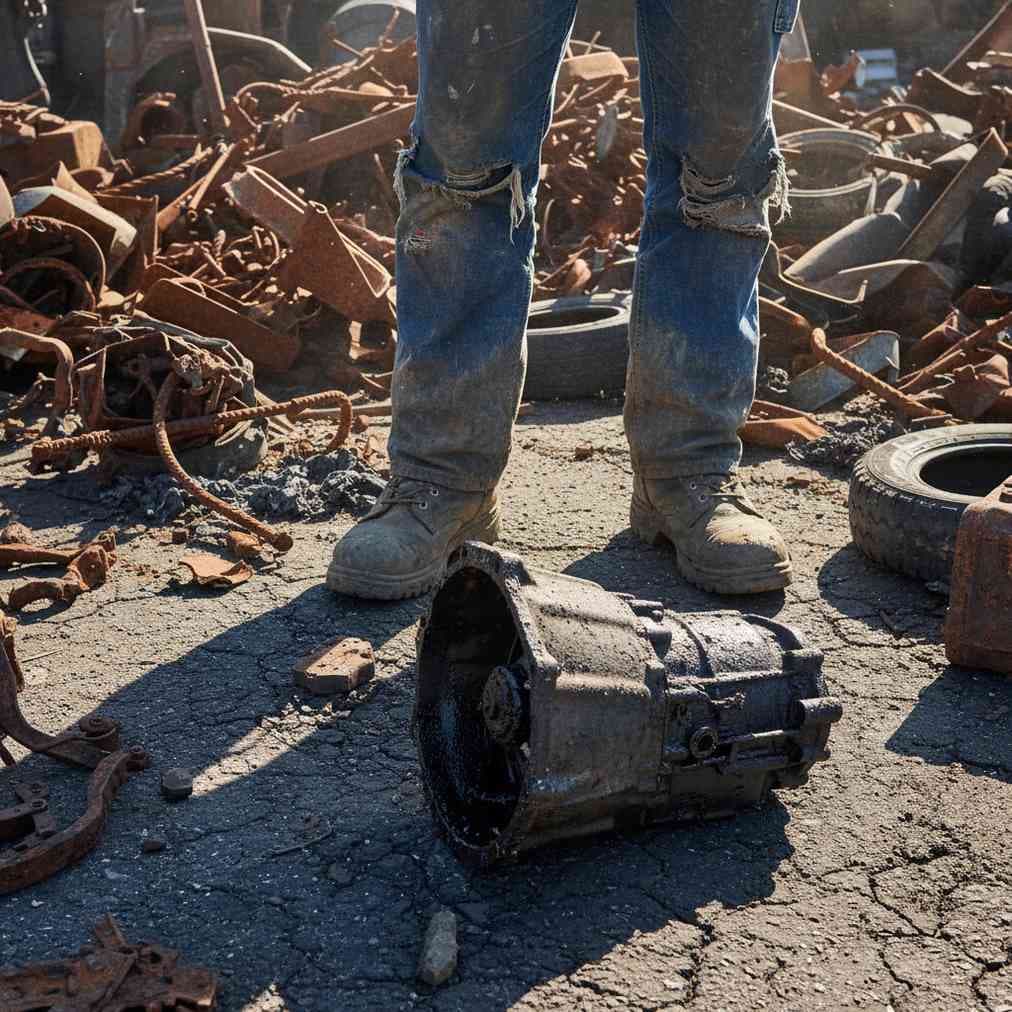
Expect mud, grease, and grime to be your constant companions throughout your visit. Even after the yard appears dry on the surface, the areas underneath cars—where you'll spend most of your time—remain perpetually wet and soupy because sunlight never reaches those spaces. You will encounter heavy grease and sludge embedded in both the parts and on the ground around vehicles.
“The reality is that your hands are covered in shit by the end of the day.”
This common sentiment among experienced yard visitors reflects the deep, unavoidable filth that comes with the territory. Beyond the visible dirt, you must also contend with sharp edges, corrosive materials, and potentially the critters that have made the donor vehicles their home.
Hidden Hazards You Should Know About
Sharp metal edges from damaged body panels and torn components
Corrosive fluids that can stain clothing and irritate skin
Wildlife inhabitants including spiders, rodents, and insects
Unstable surfaces from uneven terrain and slippery conditions
Heavy falling objects if not properly secured during removal
Essential Gear: Clothes You Don't Mind Sacrificing
The overarching advice from seasoned salvage yard visitors is simple: wear clothes you are ready to discard because this work is inherently messy. Do not wear your “good” work clothes or anything you hope to get spotless again.
Gear Category
Recommendation
Rationale & Tips
Footwear (Boots)
Closed-toe boots with excellent traction. Waterproof or water-resistant boots with deep treads are highly recommended
Essential for navigating slippery surfaces (mud/grease) and protecting feet from heavy, sharp objects
Hand Protection (Gloves)
Durable automotive gloves. Waterproof gloves that still allow for dexterity are preferred
Shield hands from sharp edges, corrosive fluids, and pervasive dirt. Expect complete soiling regardless
Body Coverage
Long pants and long-sleeved shirts. Coveralls can be worn for the dirtiest jobs
Safeguards skin from scratches, cuts, and irritating substances
Eye Protection
Safety glasses or goggles
Protect eyes from flying debris and hazardous fluids that might splash up
Pro Tips for Selecting the Right Clothing
Choose dark colors that won't show stains as readily
Avoid loose clothing that can get caught on sharp edges
Bring a change of clothes for the ride home
Consider disposable coveralls for particularly messy jobs
Wear layers so you can remove outer garments if they become too soiled
Advanced Strategies for Comfort and Cleanup
Experienced salvage yard visitors have developed various techniques to make their trips more comfortable and efficient. These proven strategies can significantly improve your experience.
Ground Cover Solutions
Professional salvage yard visitors recommend bringing a disposable ground cover to avoid lying directly in mud or standing water. Consider these options:
Waterproof tarps (which you can leave behind if necessary)
SUV trunk liners for larger coverage areas
Cleaner passenger-side floor mats from donor cars already in the yard
Cardboard sheets for temporary protection
Pre-Trip Preparation Hacks
One particularly effective tip involves rubbing Vaseline on your hands before you start working. Get it into your knuckles and under your nails. This creates a barrier that blocks grease penetration, making final cleanup much easier.
Post-Trip Cleanup Solutions
For the inevitable stains that make it home with you, experienced mechanics suggest several approaches:
Dawn dishwashing liquid applied directly to grease spots, massaged in, then washed normally
Brake Clean on a rag behind heavy grease stains (use in well-ventilated areas and heed all product warnings)
Gojo hand cleaner for removing stubborn grease from skin
Baby wipes for quick cleanup of hands and face while still at the yard
Understanding Yard Conditions Throughout the Year
Different seasons bring different challenges to salvage yard visits. Understanding what to expect can help you prepare appropriately.
Summer Challenges
Extreme heat making metal parts too hot to touch
Increased insect activity around vehicles
Dehydration risks from prolonged outdoor work
UV exposure requiring sun protection
Winter Considerations
Frozen ground making some areas inaccessible
Ice formation creating additional slip hazards
Cold metal that can cause frostbite on unprotected skin
Reduced daylight hours limiting working time
Rainy Weather Protocols
Rain transforms already challenging conditions into extremely difficult ones. Consider postponing your visit unless absolutely necessary, as wet conditions multiply every hazard present in the yard.
Screwdrivers (flathead and Phillips, multiple sizes)
Pliers for gripping and wire work
Utility knife for cutting zip ties and hoses
Comfort and Safety Items
Work light or headlamp for dark engine compartments
Kneepads for ground-level work
First aid kit for minor cuts and scrapes
Water and snacks for longer visits
Plastic bags for organizing small parts and protecting tools
Financial Considerations and Cost Management
Understanding the costs associated with salvage yard visits helps you budget appropriately and maximize value. If you're looking to sell a junk car instead of pulling parts, that's also an option worth considering.
Typical Yard Fees
Fee Type
Typical Range
What It Covers
Admission Fee
$2-$5
Access to the yard for browsing and pulling parts
Environmental Fee
$1-$3
Proper disposal of automotive fluids and hazardous materials
Core Charges
$10-$100+
Refundable deposit on rebuildable parts like batteries, alternators
Maximizing Your Investment
Research part compatibility before visiting using online databases
Bring multiple options in case your first choice isn't available
Consider bulk purchases during special sales events
Network with other pullers to share information and resources
Environmental and Safety Compliance
Modern salvage yards operate under strict environmental regulations, but visitors still need to be aware of proper practices and safety protocols.
Environmental Responsibilities
Never drain fluids onto the ground or into storm drains
Properly dispose of removed fluids in designated containers
Report spills immediately to yard management
Follow all posted signs regarding restricted areas and procedures
Personal Safety Protocols
According to recent industry research, proper safety practices significantly reduce injury rates in self-service salvage operations.
Never work alone under heavy vehicles or parts
Use proper lifting techniques to avoid back injury
Be aware of overhead hazards like loose hanging parts
Know the location of first aid stations and emergency contacts
Stay hydrated and take regular breaks
Advanced Techniques for Experienced Pullers
As you gain experience in salvage yards, certain advanced techniques can help you work more efficiently and safely.
Strategic Timing
Visiting during optimal times can significantly improve your experience:
Early morning visits provide access to fresh inventory before other pullers
Weekday visits typically offer less crowded conditions
Post-holiday periods often feature restocked yards with new vehicles
End-of-month timing may coincide with special promotional pricing
Networking and Information Sharing
Building relationships within the salvage yard community provides access to valuable information and opportunities:
Connect with yard employees who know inventory and can provide tips
Share information with other pullers about part locations and quality
Join online communities focused on specific makes or models
Attend yard special events and sales for networking opportunities
Technology and Modern Salvage Operations
Modern salvage yards increasingly utilize technology to improve inventory management and customer experience. Understanding these systems can help you find parts more efficiently.
QR codes on vehicles offer instant access to part availability
GPS tracking systems help locate specific vehicles in large yards
Future Trends
The salvage industry continues evolving with emerging technologies that may reshape the pulling experience:
Augmented reality tools for part identification and removal guidance
Automated pricing systems based on real-time market data
Electric vehicle integration requiring new safety protocols
Advanced recycling techniques for previously unusable materials
Conclusion: Embracing the Grit Factor
You are going to get filthy when visiting auto salvage yards—this is an inescapable reality. Rather than fighting it, embrace the “Grit Factor”: the tenacity to work through mud, grease, and grime to get the parts you need at prices you can afford. Success in salvage yards comes from proper preparation, appropriate clothing choices, and realistic expectations about the environment.
Dress defensively, prioritize safety with good boots and gloves, and accept that your outfit for the day is purely functional, not fashionable. The rewards—significant savings on auto parts and the satisfaction of successful DIY repairs—make the temporary discomfort worthwhile.
Remember that every experienced puller started as a novice. The knowledge, techniques, and comfort level with yard conditions develop over time. Start with simple parts and gradually work up to more complex removals as your skills and confidence grow. Most importantly, never compromise on safety in pursuit of savings.
Whether you're a weekend warrior maintaining an older vehicle or a professional mechanic sourcing parts for customer repairs, understanding and preparing for the grit factor ensures your salvage yard experiences remain productive, safe, and ultimately rewarding. The automotive recycling industry provides an essential service, and by participating knowledgeably and responsibly, you contribute to both environmental sustainability and the circular economy of automotive parts.