Top Mistakes First-Time U-Pull-It Visitors Make and How to Avoid Them
Common First-Time U-Pull-It Visitor Mistakes U-Pull-It salvage yards offer incredible opportunities to find affordable used auto parts, but first-time visitors often make critical mistakes that can lead to frustration, wasted time, or even safety hazards. Understanding these common errors before your first visit can help you maximize your savings while staying safe. Skipping Essential Research [...]
Article image
Common First-Time U-Pull-It Visitor Mistakes
U-Pull-It salvage yards offer incredible opportunities to find affordable used auto parts, but first-time visitors often make critical mistakes that can lead to frustration, wasted time, or even safety hazards. Understanding these common errors before your first visit can help you maximize your savings while staying safe.
Skipping Essential Research and Planning
One of the biggest mistakes new visitors make is arriving at a junkyard near me without proper preparation. Research is crucial before heading to any u-pull-it self-service salvage yard.
Know the exact part number you need for your specific vehicle make, model, and year
Research removal procedures beforehand using factory service manuals
Check the yard's online inventory to confirm donor vehicles are available
Plan your route through the yard to save time
According to salvage yard experts, visitors who come prepared spend 50% less time searching and are more likely to find quality parts.
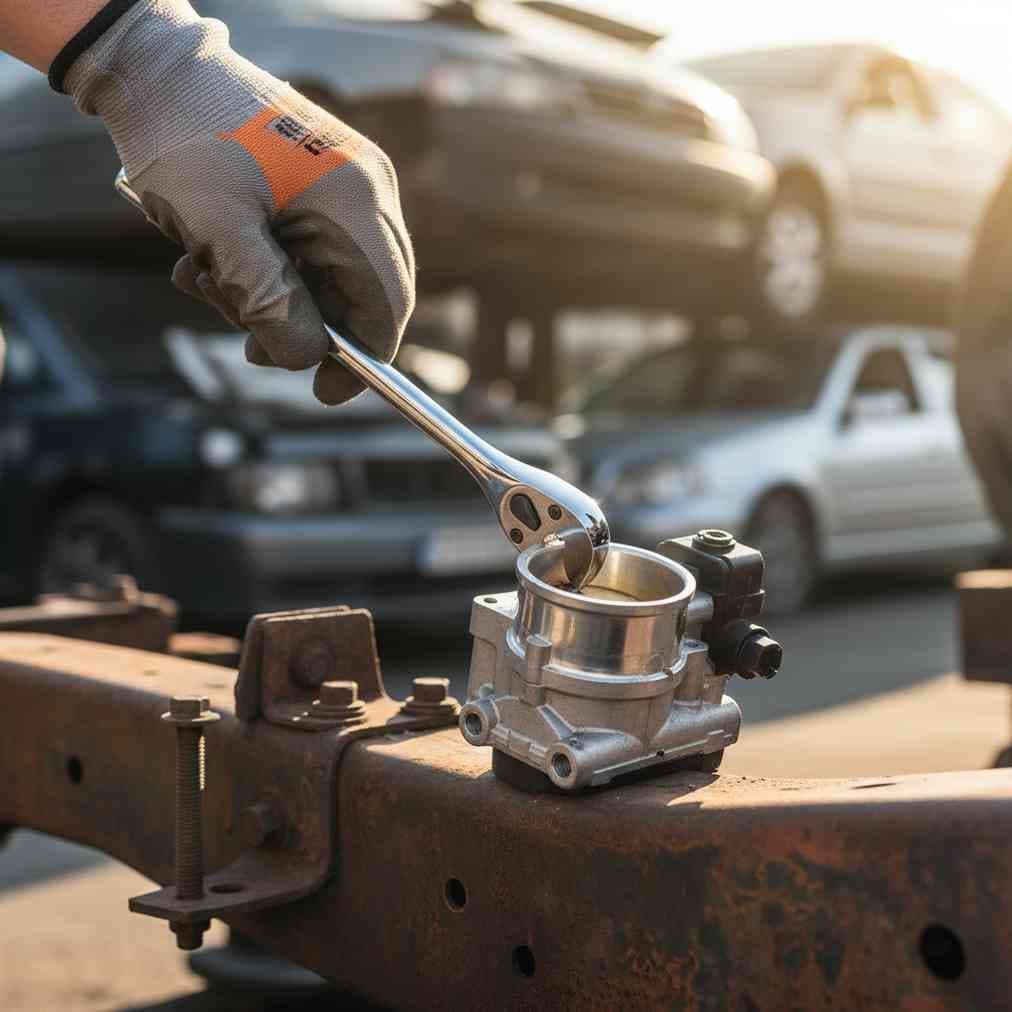
Forgetting Proper Tools
Many first-time visitors assume they can borrow tools or that basic equipment will suffice. This mistake can end your trip before it begins.
Essential Tools to Bring
Why You Need Them
Metric and SAE socket sets
Different vehicles use different bolt standards
Phillips and Torx bits
Required for interior and electronic parts
Basic hand tools (screwdrivers, pliers)
General removal and manipulation
Work gloves and safety glasses
Protection from cuts and debris
Flashlight or headlamp
Visibility in dark vehicle interiors
Important: Most yards prohibit power tools, cutting torches, and personal jacks for safety reasons. Check yard rules before bringing any equipment.
Safety Mistakes That Can Be Dangerous
Safety should be your top priority when visiting any salvage yard near me. Safety experts report that most injuries occur due to inadequate preparation.
Neglecting Safety Gear
High-visibility vests – Many yards require these (often provided free for members)
Sturdy work boots – Protect against sharp metal and heavy parts
Work gloves – Essential for handling dirty, sharp, or hot parts
Safety glasses – Protect eyes from debris and rust particles
According to industry safety reports, wearing proper safety gear reduces injury risk by over 80%.
Poor Lifting Techniques
Many first-timers underestimate the weight of auto parts and attempt to lift heavy items alone. Transmissions can weigh 300+ pounds, and even smaller parts like brake rotors can cause injury if handled improperly.
“Always lift with your legs, not your back, and don't hesitate to ask for help with heavy parts. Most yards have dollies and carts available.”
– Professional Auto Recycler
Part Selection and Inspection Errors
Not Checking Yard Hours and Timing
Arriving too late in the day is a common mistake that leaves insufficient time for proper part removal and inspection. Most quality used auto parts require careful evaluation.
Plan to arrive at least 2-3 hours before closing time for major part removals. Simple parts like mirrors or small trim pieces need less time, but complex mechanical parts require patience and thoroughness.
Assuming All Parts Are Good
One critical mistake is failing to thoroughly inspect parts before purchase. Salvage yard professionals recommend a systematic inspection approach.
Part Type
What to Check
Red Flags
Engine Parts
Oil leaks, unusual wear, bolt condition
Spray paint marking, excessive rust, cracks
Electrical Parts
Wire condition, connector integrity, corrosion
Burnt wires, green corrosion, missing connectors
Body Panels
Dents, scratches, alignment holes
Deep rust, major impact damage, missing brackets
Interior Parts
Wear patterns, functionality, completeness
Sun damage, tears, missing mounting hardware
Pro Tip: Parts marked with spray paint by yard staff are typically known to be defective – avoid these completely.
Benefits of Buying Used Parts from U-Pull-It Yards
Despite the learning curve, buying used parts from self-service yards offers substantial advantages over purchasing new or aftermarket alternatives.
Significant Cost Savings
The primary benefit is dramatic cost reduction. Used parts typically cost 50-70% less than new OEM parts, with some specialty or rare parts offering even greater savings.
Engine parts: Save $500-2000 compared to new
Body panels: Save $200-800 per panel
Interior parts: Save $100-500 per major piece
Electrical parts: Save $50-300 per part
For those interested in selling rather than buying, you can get an instant quote for junk car valuation online.
OEM Quality and Availability
Used parts from salvage yards are often Original Equipment Manufacturer (OEM) parts, ensuring proper fit and function superior to some aftermarket alternatives. This is especially valuable for older or discontinued vehicles where new parts are no longer available.
Poor etiquette not only creates problems for other customers but can get you banned from the facility. Experienced yard visitors emphasize the importance of following unwritten rules.
Clean up after yourself – Remove broken glass and debris
Close doors and hoods when finished
Replace parts you removed to access target parts
Don't cut unnecessarily – preserve parts for other customers
Respect other customers – share tools and workspace when possible
Cutting or Damaging Other Parts
One of the most frustrating mistakes is unnecessarily cutting wires or damaging other parts to access your target piece. This practice:
Ruins parts for future customers
May violate yard policies
Can result in removal from the premises
Damages the yard's inventory value
Only cut when absolutely necessary, such as removing a stripped bolt on a non-reusable part like a damaged brake line.
Comprehensive Part Inspection Checklist
Proper inspection is crucial for getting value from your salvage yard visit. This checklist helps ensure you're getting quality used parts that will serve you well.
Pre-Removal Inspection Steps
Verify compatibility – Double-check part numbers and vehicle specifications
Examine donor vehicle damage – Understand why the car is in the yard
Check impact zones – Avoid parts from damaged areas of the vehicle
Look for maintenance history – Well-maintained vehicles often have better parts
Physical Inspection Points
Each part type requires specific attention to different wear indicators and failure points.
Inspection Category
Key Checks
Accept/Reject Criteria
Metal Parts
Rust, cracks, warping, bolt holes
Surface rust OK, deep rust/cracks reject
Plastic/Rubber
UV damage, brittleness, cracking
Minor scuffs OK, brittle/cracked reject
Fluid Systems
Leaks, contamination, residue
Dry systems OK, active leaks reject
Electrical
Wire integrity, connector condition
Clean connections OK, corrosion reject
Testing Opportunities
Many yards allow basic testing of electrical parts. Bringing a 12V battery and test leads can help verify functionality before purchase. Professional salvage yard guides recommend testing when possible.
Window motors – Test for smooth operation
Lights and bulbs – Check for proper illumination
Switches and relays – Verify clicking and continuity
Sensors – Test resistance values when specifications are known
Transportation and Logistics Mistakes
Not Planning for Transportation
A common oversight is failing to consider how you'll transport purchased parts. Large parts like car doors or fenders require specific vehicle arrangements.
Bring tie-downs and padding – Secure parts properly
Consider part dimensions – Measure before removal if necessary
Plan multiple trips – Don't overload your vehicle
Bring help – Extra hands make loading safer and easier
Ignoring Warranty and Return Policies
Many first-time visitors don't ask about warranty or return policies, missing out on important protections. Reputable yards often provide limited warranties (typically 30 days) on used parts.
Salvage yard professionals recommend always asking about return policies before purchase, especially for expensive mechanical parts.
Advanced Tips for Success
Building Relationships with Yard Staff
Developing good relationships with salvage yard employees can provide significant advantages:
Advance notice of new inventory arrivals
Assistance locating specific vehicles or parts
Information about vehicle history and damage
Access to tools or equipment when needed
Timing Your Visits
Experienced salvage yard customers know that timing can significantly impact part availability and quality. Fresh inventory typically arrives mid-week, making Wednesday through Friday optimal for finding recently added vehicles.
For specific parts like high-value auto parts, visiting early in the week after new arrivals can provide the best selection before other customers remove the most desirable pieces.
Environmental and Economic Benefits
Beyond personal savings, using salvage yards near me provides broader environmental and economic benefits:
Reduces landfill waste – Extends the useful life of automotive parts
Conserves resources – Reduces demand for new manufacturing
Supports local economy – Keeps money in the community
Reduces pollution – Less manufacturing means fewer emissions
According to industry studies, automotive recycling prevents millions of tons of materials from entering landfills annually while providing affordable transportation solutions for budget-conscious consumers.
Conclusion: Maximizing Your U-Pull-It Experience
Avoiding these common first-time mistakes can transform your salvage yard experience from frustrating to highly rewarding. Proper preparation, safety awareness, thorough inspection, and respectful behavior will help you find quality used auto parts at unbeatable prices.
Remember that every experienced salvage yard customer was once a beginner. Learn from these common mistakes, take your time, and don't hesitate to ask yard staff for guidance. With practice, you'll develop the skills and knowledge needed to consistently find excellent parts while saving substantial money on vehicle repairs and maintenance.
Whether you're looking for OEM car parts for a restoration project or need affordable replacement parts for daily transportation, following these guidelines will help ensure successful and safe salvage yard visits for years to come.