Top Mistakes First-Time U-Pull-It Visitors Make and How to Avoid Them
The Most Common First-Time U-Pull-It Visitor Mistakes Visiting a salvage yard for the first time can be overwhelming, especially if you're unprepared for what awaits you. Many first-timers make costly mistakes that could easily be avoided with proper planning and knowledge. Understanding these common pitfalls will help you have a successful and safe experience at [...]
Photo by U-Pull-It
The Most Common First-Time U-Pull-It Visitor Mistakes
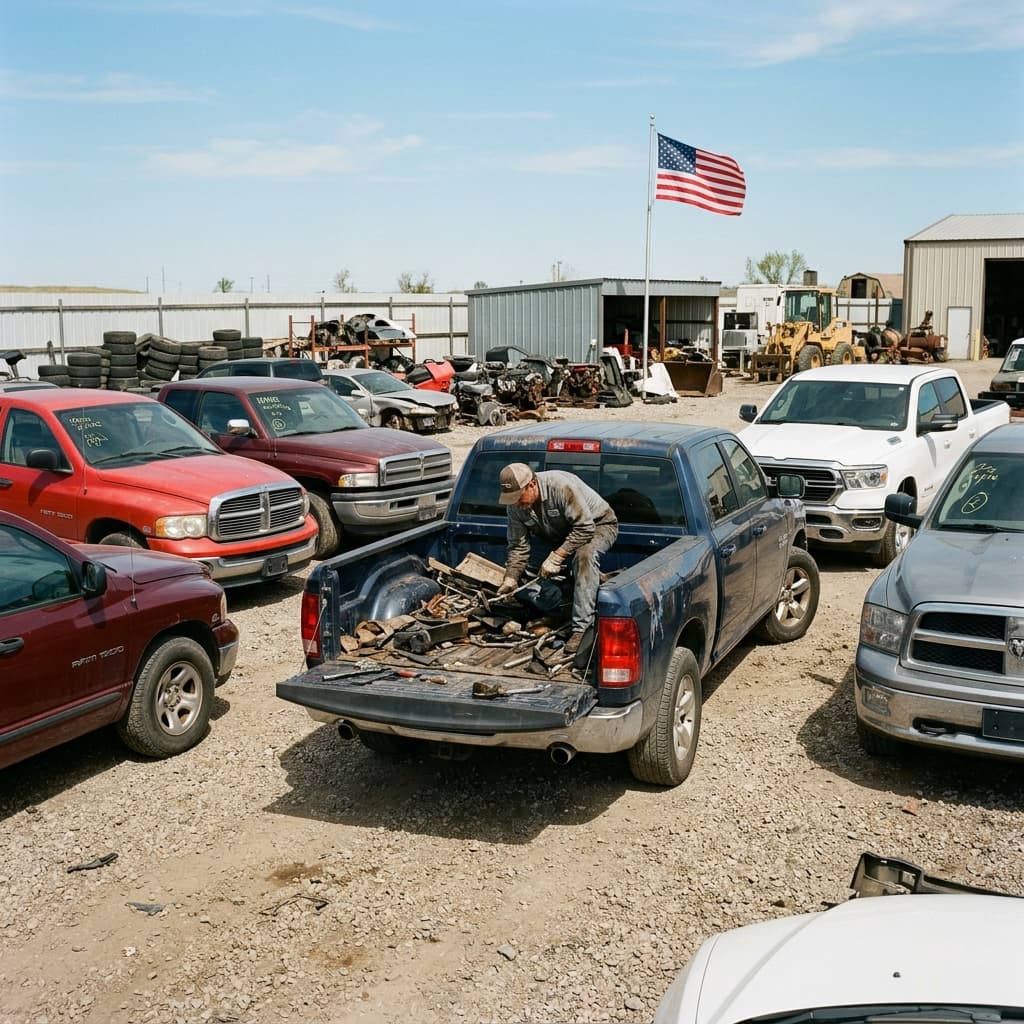
Visiting a salvage yard for the first time can be overwhelming, especially if you're unprepared for what awaits you. Many first-timers make costly mistakes that could easily be avoided with proper planning and knowledge. Understanding these common pitfalls will help you have a successful and safe experience at your local junkyard near me.
Skipping Essential Research and Planning
One of the biggest mistakes first-time visitors make is arriving at the yard without proper preparation. This includes not knowing the exact part number, vehicle configuration details, or removal procedures.
How to avoid this mistake: Before visiting, research your required part thoroughly. Know your vehicle's year, make, model, and engine size. Consult your Factory Service Manual (FSM) for removal instructions and required tools. Many experienced salvage yard visitors recommend creating a detailed checklist before your trip.
Neglecting Proper Tools and Equipment
Arriving with incomplete or incorrect tools is a recipe for frustration. Many first-timers underestimate what they'll need to successfully remove parts.
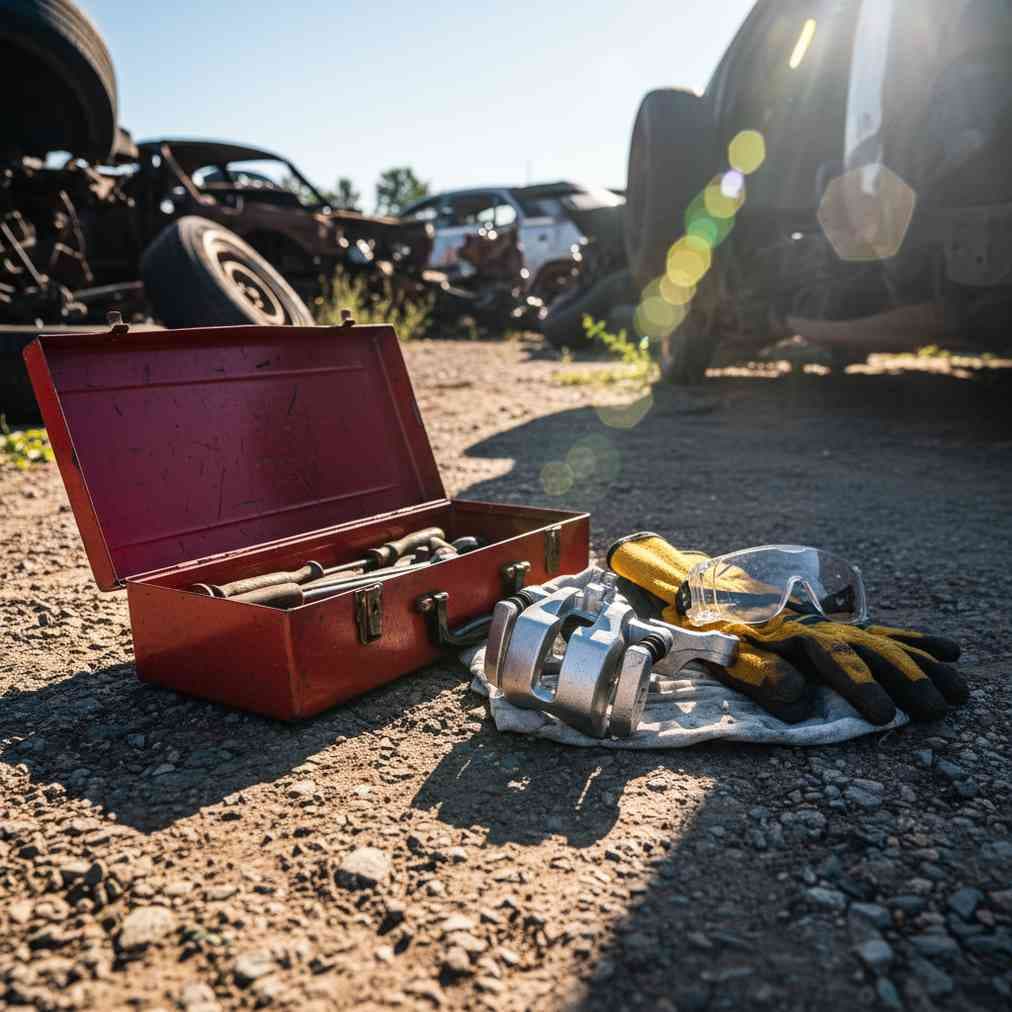
Essential tools to bring:
Complete socket set with deep sockets
Combination wrenches
Screwdrivers (flathead and Phillips)
Small 12-volt battery for testing electrical parts
Work gloves and safety glasses
Flashlight or headlamp
Shop rags and cleaning supplies
Professional salvage experts from U-Pull Florida emphasize that having the right tools can make the difference between a successful visit and going home empty-handed.
Ignoring Safety Protocols
Safety should always be your top priority when visiting any wrecking yard. First-timers often overlook potential hazards or fail to follow basic safety guidelines.
Critical safety measures:
Wear sturdy work boots with ankle support
Use safety glasses to protect from debris
Be aware of heavy machinery operating in the yard
Watch for wildlife like bees or wasps in engine compartments
Never work under vehicles supported only by jacks
Follow all posted yard rules and restrictions
According to Ace Auto Parts, most salvage yard injuries are completely preventable with proper safety awareness and equipment.
Poor Part Evaluation and Selection
Misdiagnosing the Original Problem
Many visitors assume they know which part caused their vehicle's problem without proper diagnosis. This leads to purchasing unnecessary parts while the real issue remains unresolved.
Prevention strategy: Always diagnose the root cause of your vehicle's problem before visiting the salvage yard. If you're unsure, consult a qualified mechanic or refer to diagnostic resources. For specific guidance on common automotive issues, check out our comprehensive guide on the most common car problems you will encounter.
Inadequate Part Inspection
Rushing through part inspection or failing to check for hidden damage can result in bringing home a faulty part. This mistake wastes both time and money.
Poor etiquette not only reflects badly on you but can also create problems for other customers and yard operations. Common courtesy goes a long way in salvage yards.
Proper yard etiquette includes:
Closing doors and hoods when finished
Returning small fasteners to their original locations
Not unnecessarily damaging other parts while removing your target part
Asking permission before working on a vehicle someone else is using
Cleaning up your work area
Being respectful to yard staff and other customers
Experienced salvage yard users discuss proper etiquette extensively in online forums, emphasizing how good manners benefit everyone in the salvage community.
The Major Benefits of Buying Used Auto Parts
Understanding why used parts make sense helps justify the effort required for salvage yard visits. The benefits extend beyond simple cost savings.
Significant Cost Savings
Used auto parts typically cost 50-80% less than new OEM parts. For major parts like transmissions, engines, or body panels, these savings can amount to thousands of dollars. This is especially beneficial for older vehicles where new parts may be prohibitively expensive.
Salvage yards are treasure troves for discontinued or rare parts. When manufacturers stop producing certain parts, salvage yards become the primary source for maintaining older vehicles.
“Salvage yards are often the only place to find original equipment manufacturer parts for vehicles that are no longer in production. This makes them invaluable for classic car restoration and maintaining older daily drivers.”
Environmental Benefits
Choosing recycled auto parts supports environmental sustainability by:
Reducing demand for new part manufacturing
Keeping materials out of landfills
Conserving raw materials and energy
Decreasing automotive industry carbon footprint
OEM Quality and Immediate Availability
Most used parts in salvage yards are original equipment manufacturer (OEM) parts, meaning they were made to exact factory specifications. Unlike aftermarket alternatives, these parts guarantee proper fit and function. Additionally, they're immediately available, eliminating shipping delays associated with ordering new parts.
A systematic approach to part inspection ensures you get the best value and reliability from your salvage yard purchases. This checklist covers all essential evaluation steps.
Pre-Inspection Research Phase
Before examining any part, verify compatibility with your specific vehicle. Check the Vehicle Identification Number (VIN) and confirm the part number matches your requirements. This step prevents costly compatibility mistakes.
Detailed Visual Assessment
Assessment Category
Specific Checks
Accept/Reject Criteria
Structural Integrity
Cracks, bends, warping
Minor surface imperfections OK, structural damage reject
Corrosion Level
Rust depth and coverage
Surface rust acceptable, deep corrosion reject
Seal Condition
Gaskets, O-rings, weather strips
Flexible and intact accept, brittle or cracked reject
Mounting Points
Bolt holes, brackets, tabs
Clean and straight accept, damaged or stripped reject
Functionality Testing When Possible
For electrical parts, bring a 12-volt battery to test operation. Check power windows, lights, motors, and electronic modules when accessible. For mechanical parts, verify smooth movement without binding or excessive play.
Test electrical parts before removal when possible
Check moving parts for smooth operation
Verify proper locking mechanisms on doors and hoods
Listen for unusual noises in rotating parts
Check fluid levels in sealed units
System Context Evaluation
Consider the donor vehicle's overall condition and accident history. If the car suffered front-end damage, avoid suspension and cooling system parts. Engine compartments covered in sludge indicate poor maintenance, making internal engine parts questionable.
Advanced Tips for Salvage Yard Success
Timing Your Visit Strategically
Arriving early in the day provides several advantages:
Better selection of available parts
Cooler temperatures for comfortable work
More time for thorough inspection
Less crowded conditions
Fresh energy for physically demanding tasks
Experts at U-Pull and Pay recommend arriving within the first two hours of opening for optimal part selection and working conditions.
Building Relationships with Yard Staff
Salvage yard employees possess invaluable knowledge about inventory, vehicle locations, and part conditions. Building positive relationships with staff can lead to insider tips about newly arrived vehicles and hard-to-find parts.
Documentation and Record Keeping
Successful salvage yard visitors maintain detailed records including:
Photos of part locations before removal
Connection diagrams for electrical parts
Part numbers and vehicle information
Purchase receipts and warranty information
Installation notes for future reference
Understanding Salvage Yard Policies and Procedures
Warranty and Return Policies
Most salvage yards offer limited warranties on pulled parts, typically 30 days for major parts and shorter periods for wear items. Understanding these policies before purchase helps set realistic expectations and provides recourse if parts prove defective.
Payment Methods and Pricing
Salvage yards typically accept cash, credit cards, and sometimes checks. Some yards offer volume discounts for multiple parts or have special pricing for certain customer categories like mechanics or fleet operators.
If you're considering selling your old vehicle for cash to fund parts purchases, many salvage yards also purchase vehicles, creating a convenient one-stop solution for both buying and selling.
Common Part-Specific Considerations
Engine and Transmission Parts
These high-value parts require extra scrutiny. Check for proper fluid levels, listen for unusual noises, and verify that cooling systems weren't compromised. For detailed guidance, refer to our articles on buying used transmissions from junkyards.
Electrical Parts and Electronics
Modern vehicles contain sophisticated electronic systems that can be damaged by power surges, moisture, or physical impact. Always test electrical parts when possible and inspect wiring harnesses carefully for damage or corrosion.
Body Panels and Glass
Examine body panels for rust, dents, and proper alignment. Check mounting points and hardware for damage. Glass should be inspected for chips, cracks, and proper sealing. Our guide on crash repair using junkyard parts provides specific advice for body part selection.
Avoiding These Mistakes Leads to Salvage Yard Success
Successfully navigating your first salvage yard visit requires preparation, patience, and attention to detail. By avoiding these common mistakes, you'll save money, find quality parts, and have a safe, productive experience.
Remember that experienced salvage yard visitors like those featured on Junkyard Barbie emphasize that success comes from combining thorough preparation with careful execution. Each visit builds experience and expertise, making future trips more efficient and profitable.
The key to salvage yard success lies in treating each visit as a learning opportunity. Start with simple, low-risk parts to build confidence and skills before attempting complex removals. With proper preparation and awareness of these common mistakes, your salvage yard adventures will be both successful and rewarding.
For more expert advice and salvage yard tips, visit our comprehensive automotive blog where we regularly share insights from industry professionals and experienced DIY enthusiasts.