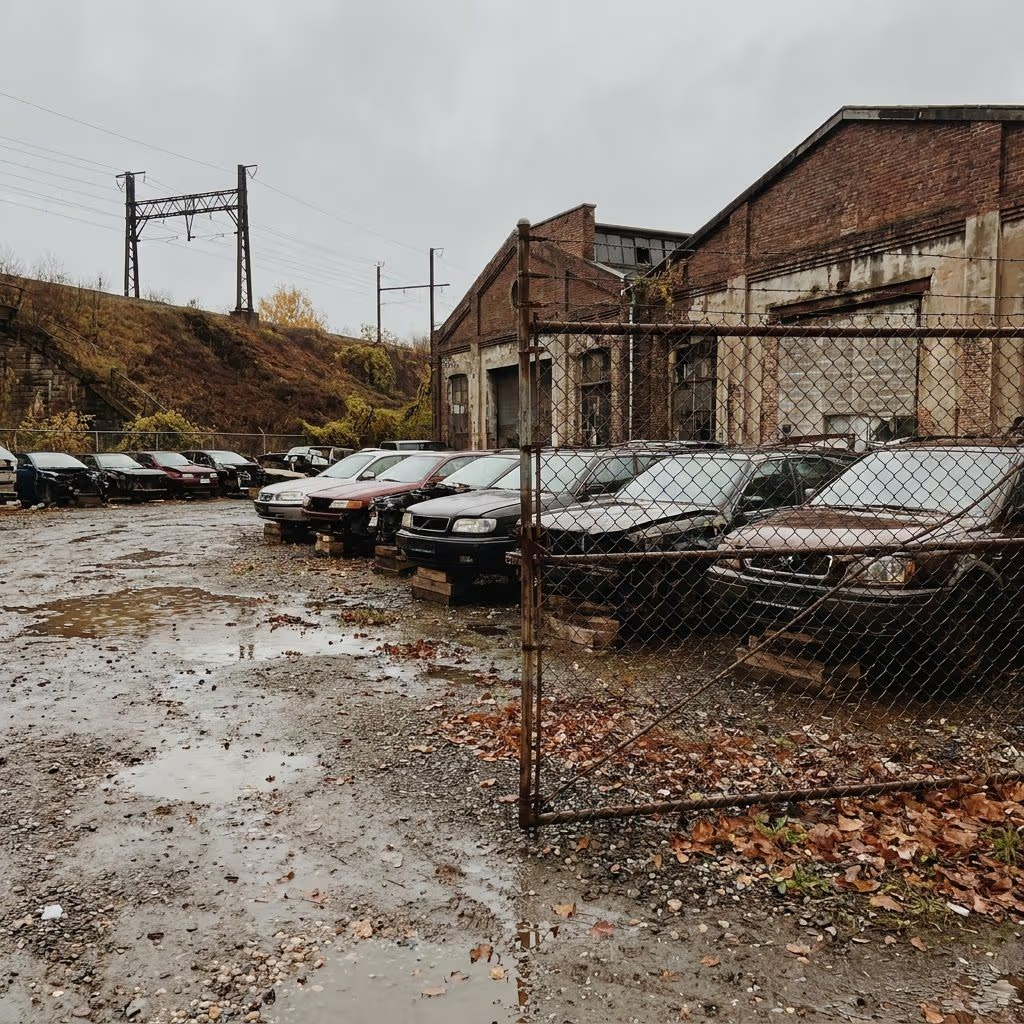
Understanding Used Car AC Compressors: Your Guide to Smart Savings When your car's air conditioning system fails, replacing the AC compressor can be one of the most expensive repairs you'll face. However, purchasing a used car AC compressor from a junkyard can save you hundreds of dollars while still providing reliable cooling performance. The key [...]
Article image
Understanding Used Car AC Compressors: Your Guide to Smart Savings
When your car's air conditioning system fails, replacing the AC compressor can be one of the most expensive repairs you'll face. However, purchasing a used car AC compressor from a junkyard can save you hundreds of dollars while still providing reliable cooling performance. The key is knowing how to properly inspect and test these components before making your purchase.
AC compressors are the heart of your vehicle's cooling system, responsible for compressing refrigerant and circulating it through the system. Understanding what causes these components to fail and how to identify quality used parts will help you make an informed decision that saves money without compromising on performance.
Common Causes of AC Compressor Failure
Before heading to the junkyard to search for a replacement compressor, it's essential to understand why these components fail. This knowledge will help you avoid purchasing a unit with the same underlying problems.
Low Refrigerant Levels: Insufficient refrigerant causes the compressor to overheat and fail due to increased friction and lack of proper lubrication
Contamination and Debris: Moisture, dirt, or metal particles in the AC system lead to internal corrosion and component damage
System Blockages: Clogged condensers or refrigerant lines create excessive pressure, straining the compressor
Age and Normal Wear: Like all mechanical components, compressors have a finite lifespan and gradually lose efficiency
Lack of Lubrication: Low oil levels or leaks cause excessive wear on internal moving parts
Many of these issues are system-wide problems rather than isolated compressor failures. This is why buying used auto parts requires careful inspection to ensure you're not inheriting someone else's maintenance problems.
Finding Quality Used AC Compressors at Junkyards
Successfully locating a reliable used AC compressor requires a strategic approach. Not all salvage yards are created equal, and knowing where to look can save you time and money.
Benefits of Purchasing Used Compressors
Cost Savings: Used compressors typically cost 50-70% less than new units
Environmental Impact: Recycling automotive parts reduces waste and supports sustainable practices
OEM Compatibility: Original equipment manufacturer parts ensure perfect fit and performance
Availability: Popular models are readily available at most auto salvage yards
What to Look for During Initial Inspection
Your first impression of a used compressor is crucial. Visual inspection techniques can reveal potential problems before you invest time in detailed testing.
Inspection Point
What to Look For
Red Flags
External Housing
Clean, intact casing
Cracks, severe corrosion, impact damage
Mounting Points
Solid, unbroken brackets
Broken tabs, stripped threads
Refrigerant Ports
Clean connections, no debris
Oil residue, metal shavings
Pulley Assembly
Smooth rotation by hand
Seized, grinding, excessive play
Essential Testing Procedures for Used AC Compressors
Proper testing is the difference between a successful repair and a costly mistake. These procedures will help you evaluate a compressor's condition before purchase.
Visual and Physical Inspection
Begin with a thorough visual inspection that can reveal many potential problems without any special tools.
Cleanliness Assessment: A clean compressor interior often indicates lower mileage and better maintenance
Oil Condition Check: Examine refrigerant oil for contamination – it should be clear, not dark or gritty
Leak Detection: Look for oily residue around seals, fittings, and the compressor body
Internal Inspection: Check inlet and outlet ports for metal debris indicating internal wear
“Testing the clutch coil resistance is one of the most reliable ways to verify compressor electrical integrity. A typical healthy coil reads between 0.5 to 2 ohms, though specific values vary by vehicle.”
Electrical Testing Steps
Disconnect the battery and locate the clutch connector
Set multimeter to measure resistance (ohms)
Test coil resistance between clutch terminals
Check for continuity and signs of short circuits
Verify proper voltage range (typically 10-16 volts during operation)
For hands-on testing at the junkyard, you can apply 12V power directly to the clutch wire while grounding the compressor casing. This junkyard testing method will demonstrate if the clutch engages properly.
Comprehensive Leak Testing
Refrigerant leaks are among the most common causes of AC system failure. Comprehensive testing procedures can help identify potential leak points before installation.
Testing Method
Equipment Needed
Effectiveness
Cost
Visual Inspection
None
Moderate
Free
Soap Bubble Test
Soap solution
Good
Low
UV Dye Detection
UV light, dye
Excellent
Moderate
Electronic Detector
Refrigerant sniffer
Excellent
High
Compatibility and Installation Considerations
Even a perfectly functioning used compressor won't work if it's not compatible with your vehicle's system. Understanding these compatibility factors is crucial for a successful repair.
Critical Compatibility Factors
Refrigerant Type: Ensure compatibility with R-134a or R-1234yf systems as required
Electrical Specifications: Match voltage requirements and connector types
Physical Dimensions: Verify mounting points, port locations, and overall size
Displacement Volume: Use compressors with matching or compatible displacement ratings
Part Numbers: Cross-reference OEM part numbers for guaranteed compatibility
When shopping for OEM car parts, always verify that the donor vehicle matches your specifications exactly. Even small differences in model year or engine type can affect compressor compatibility.
Pre-Installation Requirements
Installing a used compressor requires more than simply bolting it in place. Proper preparation ensures longer component life and better performance.
System Flushing: Remove all debris and contaminants from AC lines and components
Filter Replacement: Install new receiver-drier or accumulator to prevent moisture damage
Oil Verification: Check and adjust compressor oil to manufacturer specifications
Leak Testing: Pressure test the entire system before adding refrigerant
Vacuum Process: Remove all air and moisture from the system before charging
Cost Analysis: Used vs. New AC Compressors
Understanding the financial implications of choosing used versus new components helps justify your decision and budget appropriately for the repair.
Component
New Price Range
Used Price Range
Potential Savings
Compact Car Compressor
$300-$500
$75-$150
$150-$425
Mid-Size Vehicle
$400-$700
$100-$200
$200-$600
Luxury/Import Vehicle
$600-$1,200
$150-$350
$250-$1,050
Heavy-Duty Truck
$800-$1,500
$200-$450
$350-$1,300
These savings become even more significant when you factor in that high-value used auto parts often perform just as well as new components when properly selected and installed.
Expert Tips for Junkyard AC Compressor Shopping
Experienced mechanics and DIY enthusiasts have developed proven strategies for identifying quality used compressors and avoiding common pitfalls.
Best Practices for Selection
Source Vehicle Assessment: Choose compressors from vehicles with lower mileage and good maintenance records
Climate Considerations: Parts from vehicles in moderate climates typically show less wear
Accident History: Avoid compressors from vehicles with front-end collision damage
Multiple Options: Inspect several units to compare condition and select the best candidate
Documentation. Keep records of part numbers, source vehicle, and test results
Today's automotive AC systems are more complex than ever, incorporating new refrigerants, electronic controls, and efficiency improvements. Understanding these developments affects used part selection and compatibility.
Refrigerant Evolution Impact
The automotive industry's transition from R-134a to R-1234yf refrigerant has significant implications for used compressor purchases. These systems require different lubricants and operate at different pressures, making cross-compatibility impossible.
R-134a Systems: Common in vehicles through 2016, widely available in junkyards
R-1234yf Systems: Required in newer vehicles, less common but increasing in availability
Electronic Controls: Modern compressors may include variable displacement or electronic clutch controls
Integration Requirements: Some systems require programming or calibration after compressor replacement
As more electric vehicles enter junkyards, we're also seeing the emergence of electric AC compressors, which operate differently from traditional belt-driven units.
Installation Best Practices and Professional Considerations
While purchasing a used AC compressor can save significant money, proper installation is crucial for long-term success and system reliability.
DIY vs. Professional Installation
AC compressor replacement involves specialized tools and procedures that may be beyond typical DIY capabilities. Consider these factors when deciding whether to tackle the job yourself or seek professional help.
Aspect
DIY Installation
Professional Installation
Cost
Parts only ($100-400)
Parts + Labor ($400-800)
Tools Required
Vacuum pump, gauges, recovery equipment
Shop provides all equipment
Warranty
Parts only, no labor coverage
Parts and labor warranty
Time Investment
4-8 hours for inexperienced
2-4 hours professional time
Success Rate
Variable, depends on experience
High, professional expertise
Critical Installation Steps
Whether you choose DIY installation or professional service, understanding these critical steps ensures the job is done correctly:
Refrigerant Recovery: Properly capture and recycle existing refrigerant
Component Replacement: Install new receiver-drier or accumulator with every compressor
System Flushing: Remove all contaminants from lines and heat exchangers
Vacuum Testing: Achieve and hold proper vacuum to ensure system integrity
Oil Balancing: Add correct type and amount of compressor oil
Refrigerant Charging: Fill system to exact manufacturer specifications
Performance Verification: Test cooling performance and system pressures
Remember that working with refrigerants requires EPA certification in many areas, and improper handling can result in environmental damage and legal penalties.
Future Trends and Market Outlook
The used auto parts market continues to evolve, influenced by changing vehicle technologies, environmental regulations, and consumer preferences. Understanding these trends helps inform your purchasing decisions.
Electric Vehicle Impact
As electric vehicles become more common, traditional belt-driven AC compressors are being replaced by electric units. This transition affects the used parts market in several ways:
Increased availability of traditional compressors from ICE vehicles
Growing market for electric AC compressor cores and components
Need for specialized diagnostic equipment and training
Different failure modes and testing procedures for electric units
Sustainability and Recycling
Environmental consciousness continues to drive demand for recycled auto parts. This trend benefits consumers through:
Lower prices due to increased supply
Better quality control at salvage yards
Extended warranties on tested used components
Improved inventory management and part tracking systems
Conclusion: Making Smart Decisions with Used AC Compressors
Purchasing a used AC compressor can provide excellent value when approached with proper knowledge and testing procedures. The key to success lies in thorough inspection, compatibility verification, and proper installation practices.
By following the guidelines outlined in this comprehensive guide, you can confidently navigate junkyard shopping and find a reliable compressor that will provide years of cooling comfort. Remember that while the initial savings are attractive, proper installation and system maintenance are equally important for long-term success.
Whether you're a DIY enthusiast or working with a professional mechanic, understanding the intricacies of used AC compressor selection empowers you to make informed decisions that balance cost savings with reliability and performance. Take your time, test thoroughly, and don't hesitate to seek professional advice when needed.