Understanding Used Catalytic Converters From Junkyards The decision to purchase a used catalytic converter from a junkyard is complex, with potential cost savings weighed against significant risks and legal considerations. While tempting for budget-conscious car owners, the practice requires careful evaluation of functionality, legality, and the potential for purchasing stolen parts. With new catalytic converters [...]
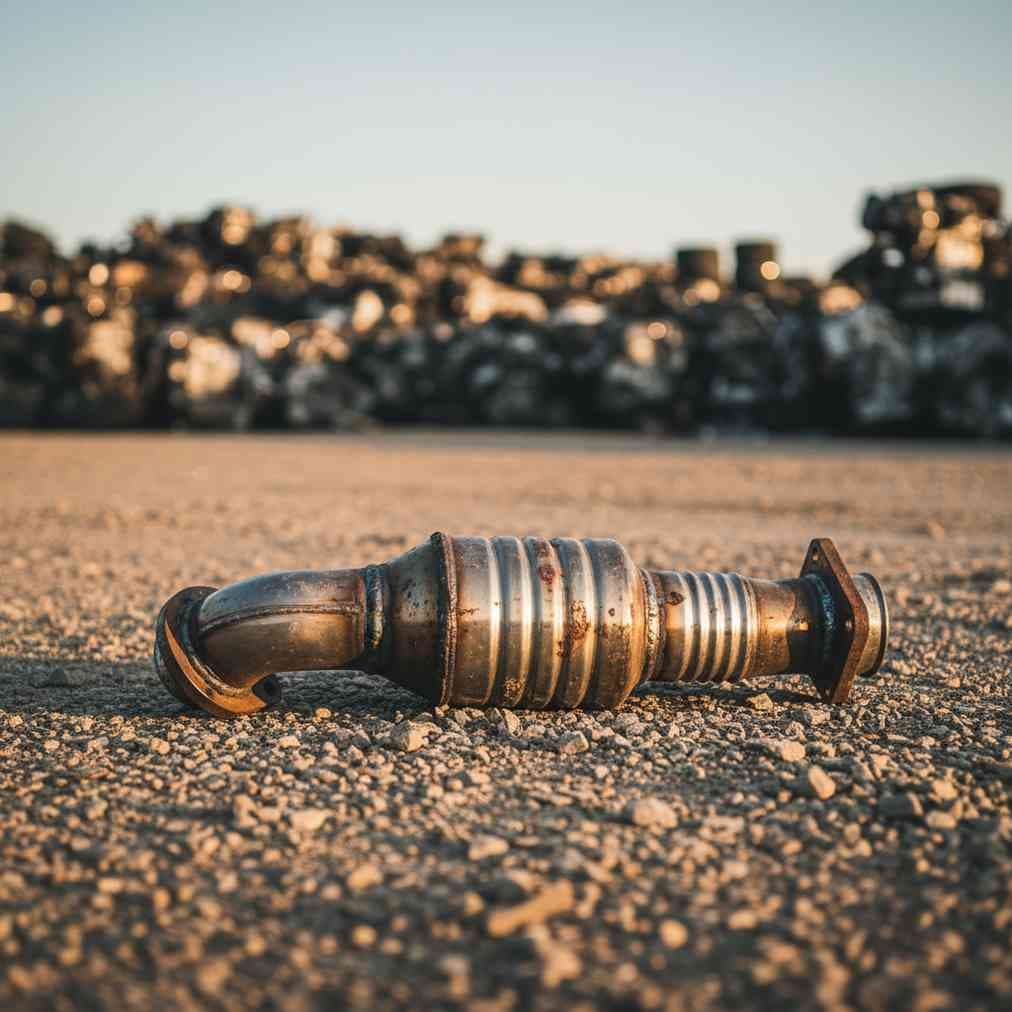
Article image
Understanding Used Catalytic Converters From Junkyards
The decision to purchase a used catalytic converter from a junkyard is complex, with potential cost savings weighed against significant risks and legal considerations. While tempting for budget-conscious car owners, the practice requires careful evaluation of functionality, legality, and the potential for purchasing stolen parts. With new catalytic converters ranging from $900 to $3,500 or more, many drivers explore used auto parts stores as an alternative solution.
Cost Analysis: New vs Used Catalytic Converters
Understanding the financial implications of catalytic converter replacement is crucial for making an informed decision. The scrap value of catalytic converters varies significantly based on the precious metals content and vehicle type.
Converter Type
Scrap Value Range (USD)
New Replacement Cost
Expected Lifespan
OEM Gas Vehicle
$75-$250
$900-$2,500
120,000-150,000 km
Diesel Truck
$200-$500
$1,500-$3,500
Similar or longer
Hybrid Vehicle
$400-$900
$2,000-$4,000
Similar
Aftermarket
$10-$80
$300-$800
Varies significantly
Auto parts recyclers typically pay between $50 and $250 for a standard catalytic converter, and up to $800 for hybrid vehicle converters. Some highly valuable converters can fetch up to $1,400, making them attractive targets for theft and valuable finds at high-value auto parts locations.
Legal Considerations and Regional Regulations
The legality of buying and installing used catalytic converters varies significantly by region. Understanding these regulations is essential before making a purchase decision.
California Restrictions: It's illegal to buy or install a used converter after July 2008
Federal Regulations: EPA guidelines require proper certification for emission control devices
State-Specific Laws: Many states require documentation and testing before installation
Scrap Yard Requirements: Legitimate operations maintain detailed records to combat theft
Many junkyards are hesitant to sell used catalytic converters directly to consumers to avoid legal repercussions, as they may not be equipped to test their functionality. Some yards sell them as part of a complete exhaust system, with no guarantee of the converter's condition. Understanding OEM car parts quality becomes crucial in these situations.
Catalytic Converter Theft: A Growing Concern
Catalytic converter theft remains a significant issue, driven by the valuable precious metals (platinum, palladium, rhodium) they contain. However, recent data shows encouraging trends in theft reduction.
“State Farm reported a 74% drop in catalytic converter theft claims in the first half of 2024 compared to the same period in 2023, with over 3,800 claims filed totaling approximately $11.2 million in repairs.”
Despite the decline, over 64,000 thefts occurred nationwide in 2022, making it crucial to verify the legitimacy of used converters. This high demand creates risks of unknowingly purchasing stolen parts, especially in certain regions. For those looking to understand converter values better, educational resources on pricing can be invaluable.
Functionality and Performance Considerations
A catalytic converter's effectiveness diminishes over time as the precious metals within it deplete. Used converters may have significantly reduced efficiency or be clogged, leading to emissions test failures and potential engine damage.
Efficiency Degradation: Internal substrates deteriorate with age and mileage
Unknown History: Previous vehicle maintenance and driving conditions affect performance
Emissions Compliance: Degraded converters may fail state inspection requirements
Warranty Concerns: Used parts typically come without guarantees
A new catalytic converter is generally expected to last at least 10 years or 100,000 miles, though this can be affected by engine condition and maintenance. When considering used options, it's important to understand the associated risks and factors involved in the purchase decision.
Inspection Methods for Used Catalytic Converters
Proper inspection is crucial when considering a used catalytic converter purchase. Several diagnostic methods can help determine the condition and functionality of a converter.
Visual and Physical Inspection
External Damage: Check for dents, rust, or physical damage to the housing
Heat Shield Condition: Ensure protective components are intact
Mounting Points: Verify flanges and connection points aren't damaged
Part Numbers: Confirm OEM part numbers match your vehicle specifications
Functional Testing Methods
Emissions Testing: Measure HC, CO, and NOX levels in exhaust gas
Temperature Testing: Check inlet vs outlet temperature differential
Back Pressure Testing: Measure exhaust system resistance
Oxygen Sensor Analysis: Compare upstream and downstream O2 sensor readings
Rattle Test: Listen for internal ceramic substrate damage
For OBD II vehicles (1996 and newer), a lack of change in oxygen levels between upstream and downstream O2 sensors can indicate a faulty converter. Understanding these diagnostic procedures helps when evaluating check engine light issues related to catalytic converter problems.
OEM vs Aftermarket Catalytic Converters
When replacement becomes necessary, choosing between OEM and aftermarket catalytic converters involves weighing cost, quality, and compatibility factors.
Feature
OEM Converters
Aftermarket Converters
Initial Cost
Higher ($900-$3,500)
Lower ($300-$800)
Compatibility
Exact vehicle match
Universal/close fit
Warranty
Comprehensive coverage
Limited warranty
Scrap Value
Higher resale value
Minimal scrap value
Efficiency
Original specifications
May be less efficient
OEM catalytic converters ensure perfect compatibility and meet all original specifications and emissions standards. While more expensive than aftermarket options, they offer the highest assurance of proper fit, function, and compliance with local regulations. This is particularly important when sourcing parts from local salvage yards.
Finding Quality Used Catalytic Converters
Locating reliable sources for used catalytic converters requires research and careful evaluation of potential suppliers.
Reputable Sources
Licensed Auto Recyclers: Businesses with proper documentation and testing capabilities
Certified Salvage Yards: Operations that maintain detailed inventory records
OEM Parts Specialists: Dealers focusing on manufacturer-specific components
Online Marketplaces: Platforms with buyer protection and seller verification
Many mechanics and automotive professionals share experiences about sourcing quality parts. Community discussions, such as those found on automotive forums, provide valuable insights into the safety and reliability of used converter purchases.
What to Avoid
Unmarked Converters: Parts without proper identification or certification
Suspicious Pricing: Deals that seem too good to be true
No Documentation: Sellers unable to provide purchase history
Damaged Housing: Converters with obvious physical deterioration
Vehicle-Specific Considerations
Different vehicle types present unique challenges and opportunities when sourcing used catalytic converters. Understanding these distinctions helps make informed decisions.
Popular Vehicle Models
Certain vehicles have better availability of used parts due to their popularity in salvage yards:
Hybrid vehicles present unique considerations due to their higher precious metal content and specialized converter designs. These converters are more valuable but also more targeted for theft. Luxury vehicles often require specific OEM parts that may be more difficult to source used.
Environmental and Economic Impact
The decision to purchase used catalytic converters extends beyond immediate cost savings to broader environmental and economic considerations.
Environmental Benefits
Resource Conservation: Reduces demand for new precious metal mining
Waste Reduction: Extends component lifecycle and reduces landfill waste
Energy Savings: Manufacturing new converters requires significant energy resources
The used catalytic converter market reflects broader economic trends in precious metals pricing and automotive manufacturing. Understanding these factors helps predict availability and pricing trends.
“Auto parts recyclers typically pay between $50 and $250 for a standard catalytic converter, and up to $800 for one from a hybrid vehicle, with some highly valuable converters fetching up to $1,400.”
Installation and Maintenance Tips
Proper installation and maintenance of used catalytic converters are crucial for optimal performance and longevity.
Professional Installation Considerations
Proper Fitment: Ensure exact compatibility with exhaust system
Gasket Replacement: Use new gaskets and hardware during installation
System Inspection: Check entire exhaust system for related issues
Emissions Testing: Verify compliance after installation
Working with qualified mechanics familiar with certified repair procedures ensures proper installation and compliance with local regulations. Professional installation also helps identify potential issues before they become costly problems.
Maintenance Best Practices
Engine Maintenance: Keep engine running efficiently to reduce converter stress
Fuel Quality: Use quality fuel to minimize contamination
Regular Inspections: Monitor for signs of deterioration or damage
Address Issues Promptly: Fix engine problems that could damage the converter
Future Trends and Market Outlook
The catalytic converter market continues evolving with technological advances and changing automotive landscapes.
Electric Vehicle Impact
The growing adoption of electric vehicles affects the long-term demand for catalytic converters. As more EVs enter the market, the supply of traditional converters in salvage yards may change. Understanding electric vehicle impact on salvage yards helps predict future availability and pricing trends.
Legislative Developments
Recent legislative actions focus on combating catalytic converter theft through:
Enhanced Record Keeping: Requirements for detailed transaction documentation
Dealer Restrictions: Limitations on who can sell converters to scrap yards
Identification Requirements: Mandated marking and tracking systems
Penalty Increases: Stronger enforcement and punishment for theft
Expert Recommendations and Best Practices
Industry experts provide valuable guidance for consumers considering used catalytic converter purchases.
“While buying a secondhand catalytic converter can offer cost savings, it comes with significant considerations and potential risks. It is crucial to verify the legality, condition, and compatibility of the part before making a purchase.”
Professional mechanics emphasize the importance of thorough inspection and proper documentation when purchasing used converters. They recommend working with reputable suppliers who can provide detailed history and testing results. For those exploring alternatives, understanding when to buy used auto parts helps make informed decisions.
Decision Framework
Consider these factors when deciding whether to purchase a used catalytic converter:
Vehicle Value: Does the repair cost justify the vehicle's worth?
Legal Requirements: Are used converters legal in your area?
Quality Assurance: Can you verify the converter's condition and history?
Professional Support: Do you have access to qualified installation services?
Long-term Plans: How long do you plan to keep the vehicle?
Conclusion: Making an Informed Decision
While used catalytic converters from junkyards can offer significant cost savings, buyers need to carefully verify OEM compatibility, inspect condition, and understand emissions implications. The high risk of accelerated wear, pollution compliance failure, and ongoing theft concerns make new OEM converters the safest, most reliable choice for most situations.
However, used parts from reputable salvage yards remain a viable option for budget-conscious repairs when chosen with proper caution and expert guidance. Success depends on thorough research, careful inspection, professional installation, and compliance with local regulations. For those willing to navigate these challenges, used catalytic converters can provide a cost-effective solution while supporting automotive recycling efforts.
Understanding the complexities of used catalytic converter purchases empowers consumers to make informed decisions balancing cost savings with reliability and legal compliance. Whether choosing new or used components, proper research and professional guidance remain essential for successful outcomes.