Understanding Used CV Axles: Essential Components of Your Vehicle's Drivetrain A CV axle (constant velocity axle), also known as a half-shaft, is a critical component in front-wheel drive, all-wheel drive, and some rear-wheel drive vehicles with independent rear suspension. Its primary function is to transmit power from the transmission or differential to the drive wheels [...]
Article image
Understanding Used CV Axles: Essential Components of Your Vehicle's Drivetrain
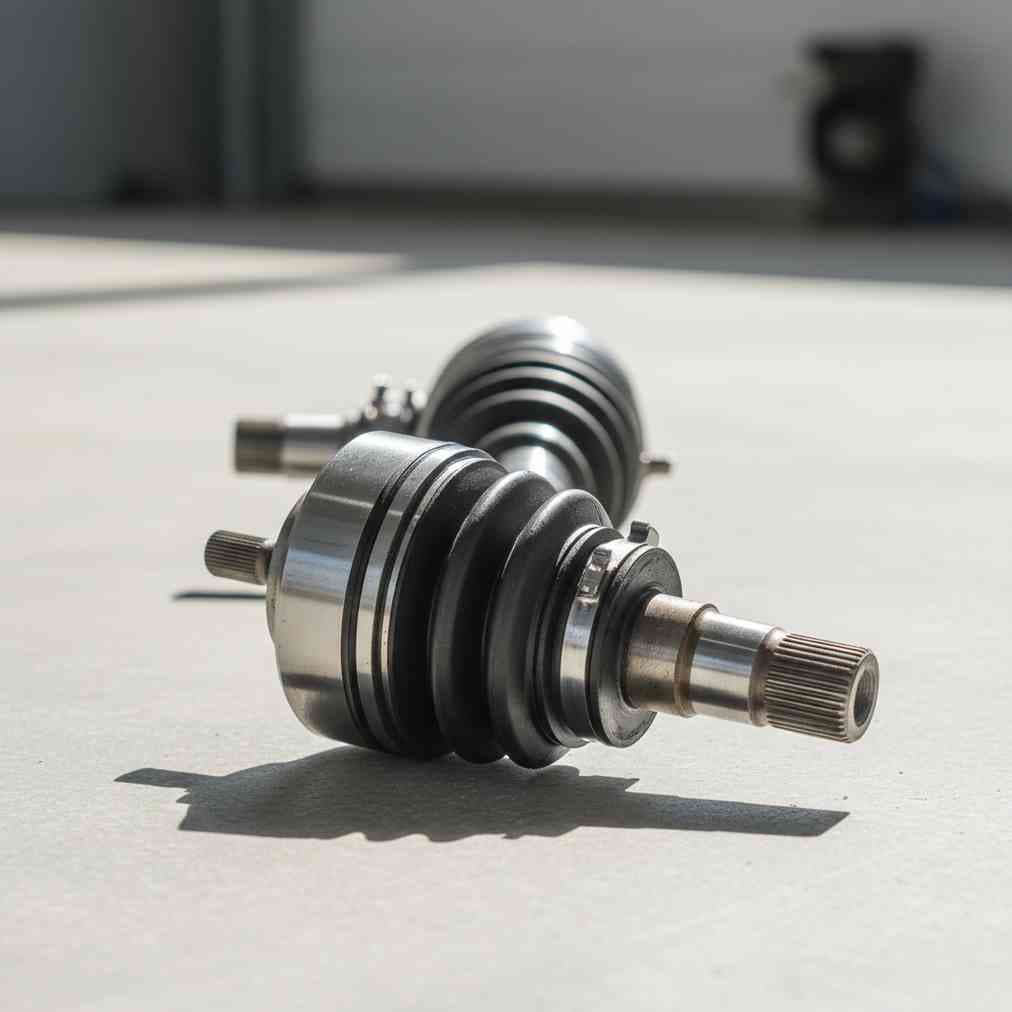
A CV axle (constant velocity axle), also known as a half-shaft, is a critical component in front-wheel drive, all-wheel drive, and some rear-wheel drive vehicles with independent rear suspension. Its primary function is to transmit power from the transmission or differential to the drive wheels while maintaining smooth operation during turns and over uneven terrain.
The “constant velocity” aspect comes from the CV joint, a specialized coupling that allows the axle to bend and move with the suspension and steering while maintaining a consistent rotational speed. This sophisticated engineering ensures smooth power delivery during turns and over uneven terrain, making it an essential component for modern vehicle operation.
How Long Do CV Axles Last?
According to industry data, CV axles typically last between 70,000 to 130,000 miles, though some can extend well beyond 200,000 miles depending on make, model, driving conditions, and maintenance. The lifespan varies significantly based on several factors including driving habits, road conditions, and the quality of the original equipment.
Vehicle Type
Typical Lifespan
Factors Affecting Longevity
Economy Cars
70,000-100,000 miles
Driving conditions, maintenance
Mid-size Vehicles
90,000-130,000 miles
Quality of parts, usage patterns
Luxury/Premium
120,000-200,000+ miles
Higher quality components, regular maintenance
Symptoms of a Failing CV Axle
Recognizing the signs of a worn CV axle is crucial for preventing further damage and ensuring safety. Understanding these symptoms can help you make informed decisions about when to buy used auto parts versus investing in new components.
Clicking or Popping Noises: Most noticeable during sharp turns or acceleration, caused by wear within the CV joint where ball bearings no longer move smoothly
Clunking or Knocking Sounds: Occurring during acceleration or deceleration, indicating excessive wear in the inner CV joint
Vibration While Driving: A vibration that intensifies with increased speed, signaling a worn, unbalanced, or binding CV axle
Grease Leaks: Torn CV boots allow lubricating grease to escape, often splattering onto wheels, fender wells, or suspension components
Uneven Tire Wear: Failing CV axles may not turn wheels properly, leading to irregular tire wear patterns
Stiff Steering or Pulling: In severe cases, causing steering difficulties or vehicle pulling to one side
Should You Buy a Used CV Axle from a Junkyard?
The decision to purchase a used CV axle from a junkyard involves weighing potential cost savings against inherent risks. While significantly cheaper than new parts, success depends heavily on proper inspection and understanding of common failure points. Many automotive enthusiasts and mechanics actually prefer OEM parts from junkyards over cheap aftermarket alternatives.
“Some experienced mechanics and enthusiasts prefer used OEM CV axles from junkyards because they often outperform cheaper aftermarket alternatives. Cheap new aftermarket axles can have poor materials, tolerances, and may fail prematurely.”
Advantages of Junkyard CV Axles
Significant Cost Savings: Often 50-70% less expensive than new parts
OEM Quality: Original equipment parts typically offer better fit and durability than cheap aftermarket alternatives
Proven Performance:Real-world testing shows well-maintained used axles can outperform new budget options
Unknown History: Difficult to determine previous usage conditions and maintenance
Potential for Premature Failure: Even good-looking axles may have internal wear not immediately apparent
Boot Deterioration: Rubber boots may be near end of service life, requiring replacement
No Warranty: Unlike new parts, used components typically come without guarantees
How to Inspect a Used CV Axle
When considering a used CV axle from a junkyard, thorough inspection is paramount. The condition of the CV boots is often the most critical factor in determining whether a used axle will provide reliable service. Here's what to look for during your inspection:
Critical Inspection Points
CV Boot Integrity: Carefully examine rubber CV boots at both ends for cracks, tears, or damage. Feel for grease leaks around boots and clamps
Grease Presence: Look for grease leakage on the axle itself or nearby components like wheels or suspension parts
Joint Play: Attempt to move CV joints by hand – there should be minimal play or looseness
Shaft Condition: Check the axle shaft for signs of bending, damage, or excessive wear
Listen for Noises: If possible, have the axle tested or briefly driven to listen for clicking, popping, or grinding sounds
According to automotive experts, the boot condition is often more important than the age of the axle itself, as intact boots protect the internal components from contamination.
Industry professionals and experienced DIY mechanics have varying perspectives on used CV axles. Forum discussions among automotive enthusiasts reveal interesting insights about the reliability of junkyard axles versus new aftermarket parts.
“Many mechanics argue against cheap aftermarket CV axles, citing poor materials and vibrations post-installation. They often recommend OEM or higher quality parts to avoid premature failure and repeated replacements.”
Several key points emerge from professional discussions:
Quality Concerns: Cheap aftermarket axles sometimes present issues immediately due to quality control problems
OEM Preference: Used OEM axles often outperform new budget alternatives in both durability and performance
Boot Replacement: Some experts recommend replacing boots and repacking joints when installing used axles
Cost-Benefit Analysis: Well-inspected junkyard axles can provide excellent value for budget-conscious repairs
Common CV Axle Problems to Watch For
Understanding common CV axle problems can help you make better decisions when shopping for used parts. These issues are typically related to wear patterns and maintenance history, which are crucial factors when evaluating junkyard components.
Boot-Related Issues
CV boot deterioration is the leading cause of CV axle failure. The rubber boots protect the joint from contaminants while retaining lubricating grease. When boots crack or tear, dirt and moisture enter the joint, causing rapid wear and eventual failure.
Joint Wear Patterns
Outer Joint Wear: Typically causes clicking during turns, especially when parking or making sharp corners
Inner Joint Problems: Often result in clunking during acceleration or deceleration
Contamination Damage: Occurs when boots fail and allow dirt ingress, leading to rapid joint deterioration
Grease Loss: Results in inadequate lubrication and accelerated wear of internal components
Where to Find Quality Used CV Axles
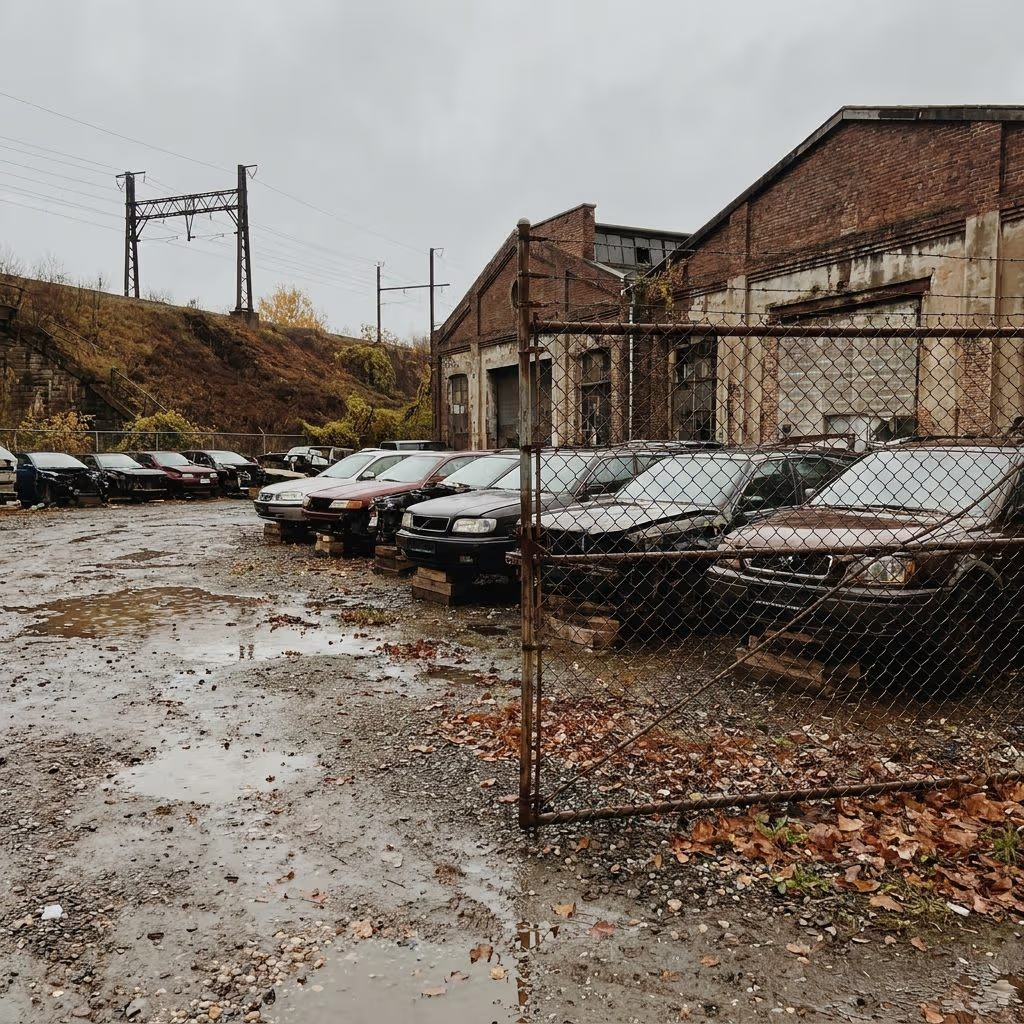
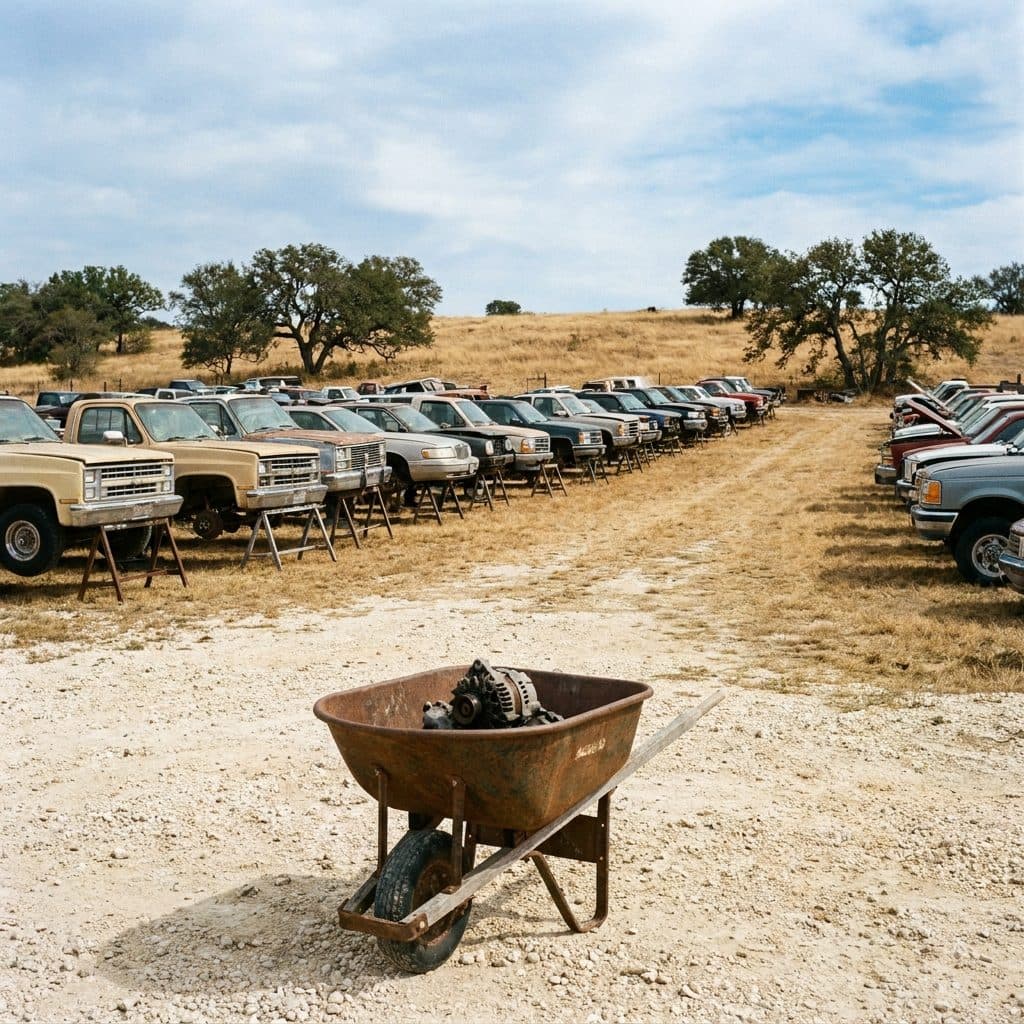
Finding quality used CV axles requires knowing where to look and what to expect. Different types of salvage operations offer varying levels of service and part quality. Whether you're looking for self-service auto parts or full-service salvage yards, preparation is key.
Types of Salvage Yards
Self-Service Yards: Lower prices but require you to remove parts yourself
Full-Service Yards: Higher prices but parts are removed and sometimes tested
Specialty Importers: Focus on specific makes or high-end vehicles
Online Salvage Networks: Wider selection but can't physically inspect before purchase
Popular salvage chain locations like LKQ Pick Your Part offer standardized pricing and inventory systems, making it easier to locate specific parts across multiple locations.
Installation Considerations for Used CV Axles
Installing a used CV axle requires the same care and attention as installing a new one. However, there are additional considerations specific to used components that can affect the success of your repair.
Pre-Installation Preparation
Thorough Cleaning: Clean the axle thoroughly to remove any accumulated dirt or debris
Boot Inspection: Final check of boot integrity before installation
Grease Assessment: Verify adequate grease is present in both joints
Hardware Check: Ensure all necessary hardware and fasteners are included
Installation Best Practices
When installing used CV axles, follow the same procedures as new parts but pay extra attention to potential issues that may arise from the component's previous service life.
Proper Torque Specifications: Use manufacturer-specified torque settings for all fasteners
Alignment Check: Ensure proper alignment to prevent premature wear
Test Drive: Perform thorough test drive to check for noises or vibrations
Break-in Period: Allow for a brief break-in period to ensure proper operation
Maintenance Tips for Extended CV Axle Life
Whether you choose a used or new CV axle, proper maintenance can significantly extend its service life. Understanding how to care for these components can help you get the most value from your investment.
Regular Inspection Schedule
Monthly Visual Checks: Look for grease leaks or boot damage during routine maintenance
Seasonal Inspections: More thorough inspection during tire rotations or oil changes
Listen for Changes: Pay attention to new noises, especially during turns
Professional Inspection: Have CV axles inspected during major services
Driving Habits That Extend CV Axle Life
“Light, careful driving can extend CV axle lifespan considerably, with some lasting well over 200,000 miles with proper care and favorable conditions.”
Gentle Acceleration: Avoid harsh acceleration, especially from stops
Smooth Turning: Take turns at reasonable speeds to reduce joint stress
Avoid Deep Water: Prevent boot damage from submersion or high-pressure washing
While used CV axles can be an excellent choice for budget-conscious repairs, certain situations favor investing in new components. Understanding when to prioritize reliability over cost savings is crucial for long-term satisfaction.
Scenarios Favoring New Parts
High-Mileage Vehicles: When the vehicle will be driven extensively, reliability becomes more important
Family Transportation: Primary vehicles requiring maximum dependability
Limited Inspection Opportunity: When you cannot thoroughly inspect used parts before purchase
Warranty Requirements: Professional repairs often require warranted parts
Time Constraints: When you cannot afford potential repeat repairs
Ideal Situations for Used CV Axles
Budget Repairs: When cost is the primary consideration
Older Vehicles: Cars with limited remaining service life
DIY Projects: When you have time and skills to handle potential issues
Temporary Solutions: Short-term fixes while planning for vehicle replacement
Learning Experiences: Practice repairs on less critical vehicles
Recent Trends in Used CV Axle Market
The market for used automotive parts, including CV axles, has evolved significantly in recent years. Growing demand for used auto parts has driven improvements in quality control and availability.
Market Developments
Digital Inventory Systems: Better tracking and locating of specific parts
Quality Grading: Some yards now grade parts by condition
Online Marketplaces: Expanded access to salvage parts nationwide
Part Testing: Increased testing and verification of used components
Impact of Electric Vehicles
As the automotive industry evolves, the impact of electric cars on salvage yards is beginning to reshape the used parts market. While traditional CV axles remain in demand, the growing EV market is changing salvage yard operations.
Making the Final Decision: Used CV Axle Buying Guide
When deciding whether to purchase a used CV axle from a junkyard, consider your specific situation, budget constraints, and risk tolerance. A systematic approach to evaluation can help ensure you make the best choice for your circumstances.
Decision-Making Framework
Factor
Choose Used If
Choose New If
Budget
Cost is primary concern
Can afford premium reliability
Vehicle Value
Lower value/older vehicle
High value/newer vehicle
Usage
Limited driving/local use
High mileage/long trips
Skills
Comfortable with DIY repair
Prefer professional installation
Time
Can handle potential re-repair
Need long-term reliability
Final Recommendations
Based on industry experience and user feedback from sources like automotive forums, here are key recommendations for buying used CV axles:
Prioritize Boot Condition: This is the most critical factor determining future reliability
Choose OEM When Possible: Original equipment typically offers better quality than budget aftermarket
Inspect Thoroughly: Take time to properly evaluate the part before purchase
Consider Total Cost: Factor in potential repeat repairs when calculating value
Have Backup Plans: Be prepared for the possibility of premature failure
Purchasing a used CV axle from a junkyard can be a cost-effective solution when approached with proper knowledge and realistic expectations. While it involves some risk, careful inspection and understanding of your specific needs can lead to successful repairs that provide excellent value for money. Whether you're dealing with common car problems or planning major repairs, used CV axles represent a viable option for budget-conscious vehicle owners who are willing to invest time in proper selection and installation.