Understanding Used Car Starters: A Complete Guide to Finding Reliable Options at Junkyards When your car won't start, a failing starter motor might be the culprit. While purchasing a brand new starter can cost upwards of $150, finding a reliable used car starter at a junkyard can save you significant money. This comprehensive guide will [...]
Article image
Understanding Used Car Starters: A Complete Guide to Finding Reliable Options at Junkyards
When your car won't start, a failing starter motor might be the culprit. While purchasing a brand new starter can cost upwards of $150, finding a reliable used car starter at a junkyard can save you significant money. This comprehensive guide will help you navigate the world of used starters, from identifying symptoms to testing functionality before purchase.
What Is a Car Starter and How Does It Work?
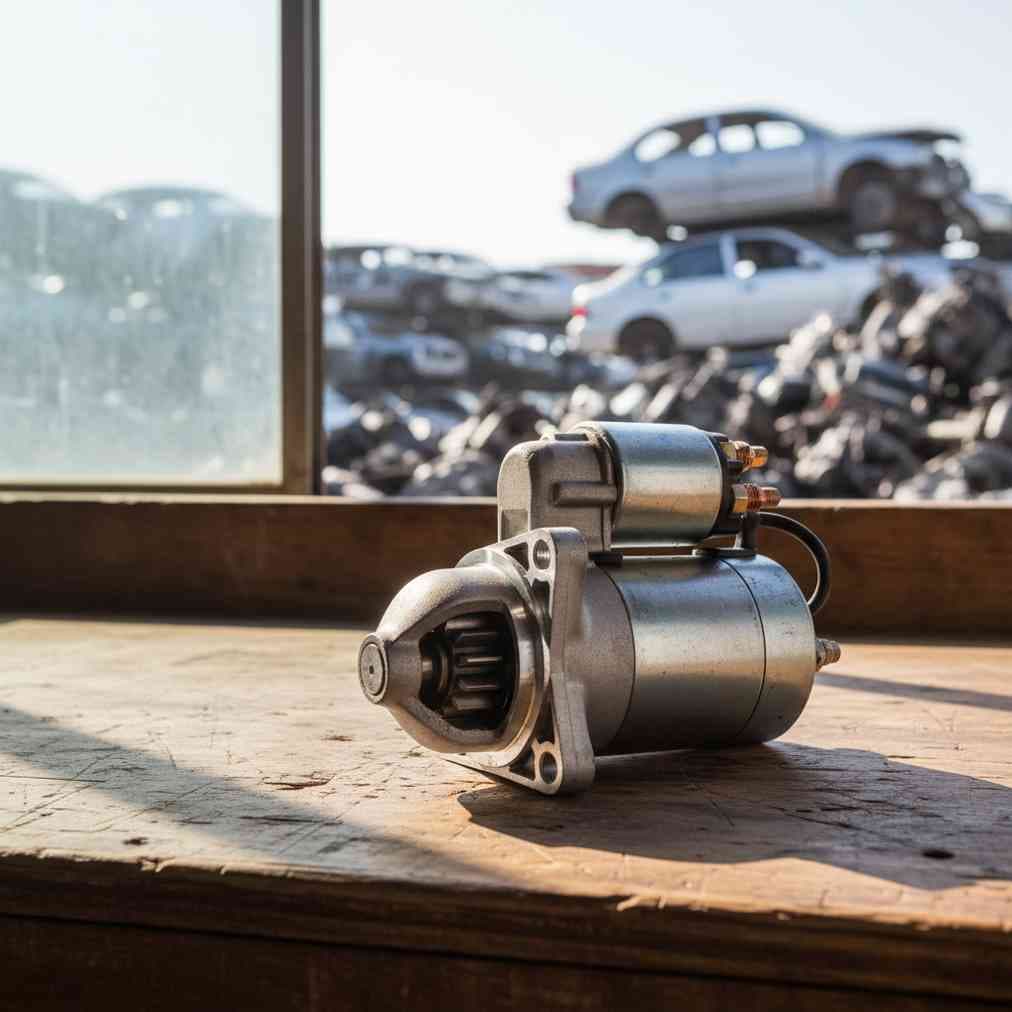
A car starter is an electric motor that engages the engine's flywheel to initiate the combustion process. It's a critical component within your vehicle's electrical system, working alongside the battery, alternator, and various wiring connections. When you turn the ignition key, the starter solenoid acts as a bridge, allowing high current from the battery to power the starter motor.
The starter system consists of several key components working together. Understanding these parts will help you when shopping for reliable used starters at wrecking yards, as you'll know exactly what to inspect.
Common Symptoms of a Failing Starter
Recognizing starter problems early can save you from being stranded. Here are the most common symptoms of a failing starter motor:
Clicking or grinding noises: A single click, rapid clicking, or grinding sound when turning the key
Engine not cranking: Dashboard lights come on, but the engine doesn't turn over
Slow cranking: Engine cranks sluggishly, indicating the starter is struggling
Whirring or whining sounds: Starter pinion gear isn't engaging the flywheel properly
Intermittent starting: Car starts sometimes but not consistently
It's crucial to distinguish between starter problems and battery issues. A weak battery typically causes slow cranking across all attempts, while a faulty starter with a healthy battery usually results in clicking sounds or complete silence.
Used vs. New vs. Remanufactured Starters: Making the Right Choice
Many automotive experts recommend remanufactured starters over used ones for reliability, especially if you can't afford potential roadside failures. However, if budget constraints are significant, a properly tested used starter can provide excellent value.
How to Test a Used Starter Before Purchase
Testing a used starter motor before purchase is crucial for avoiding dead or weak units. According to automotive testing guides, here are the most effective methods:
Bench Testing Method
The bench test is the most definitive way to verify starter functionality:
Remove the starter from the vehicle completely
Connect jumper cables directly from a 12V battery to the starter terminals
Observe if the starter spins properly and the solenoid engages
Listen for smooth operation without grinding or hesitation
Visual Inspection Checklist
Before conducting electrical tests, perform a thorough visual inspection:
Starter housing: Check for cracks, excessive corrosion, or physical damage
Solenoid condition: Inspect terminals for corrosion and secure connections
Pinion gear: Examine gear teeth for wear, chipping, or damage
Electrical connections: Ensure all terminals are clean and intact
Solenoid Function Test
The starter solenoid acts as the switch for high-torque operation. Test it by:
Applying 12V power to the solenoid terminal
Listening for a distinct “click” sound indicating engagement
Checking that the pinion gear extends when the solenoid activates
Verifying smooth retraction when power is removed
As demonstrated in practical testing videos, combining visual inspection with electrical testing gives you the best chance of selecting a reliable used starter.
Ensuring Compatibility: Finding the Right Starter for Your Vehicle
Compatibility verification is absolutely critical when purchasing used auto parts. A starter that doesn't match your vehicle's specifications can cause serious damage or simply won't work at all.
Essential Compatibility Factors
Vehicle Identification Number (VIN): Provide your VIN to the junkyard for exact part matching
Part numbers: Match the part number on the replacement starter to your original
Engine specifications: Ensure compatibility with your specific engine type and size
Mounting configuration: Verify bolt patterns and mounting positions align
Electrical connections: Check that terminal locations and sizes match
Many automotive forum discussions emphasize the importance of bringing your old starter when shopping at junkyards. This allows for direct comparison and ensures you're getting the correct replacement.
Smart Shopping Strategies at Junkyards
Successfully finding a quality used starter requires strategy and preparation. Here are proven techniques for junkyard success:
Preparation Before You Go
Research part numbers: Know exactly what you need before arriving
Bring tools: Pack basic removal tools and testing equipment
Carry your old part: Use it for direct comparison and sizing
Check inventory: Call ahead to confirm they have your vehicle make/model
Understanding when to buy used auto parts versus new can help you make better decisions about which components are worth purchasing from salvage yards.
Negotiation and Purchase Tips
Most junkyard prices are negotiable, especially for higher-value items like starters:
Point out defects: Use any visible wear or damage as negotiation leverage
Bundle purchases: Buy multiple parts for better overall pricing
Ask about warranties: Inquire about return policies or guarantees
Cash payments: Some yards offer discounts for cash transactions
Understanding Starter Solenoids
The starter solenoid is often integrated with the starter motor assembly, but understanding its function helps in testing and troubleshooting. This component acts as an electromagnetic switch that:
Engages the starter motor when you turn the ignition key
Pushes the pinion gear forward to mesh with the flywheel
Completes the high-current circuit to the starter motor
Retracts the pinion gear when starting is complete
Solenoid failures often present as rapid clicking noises or no response when turning the key. When purchasing a used starter, always test the solenoid function as part of your evaluation process.
Cost Analysis: Is a Used Starter Worth It?
The financial benefits of buying used auto parts can be substantial, but it's important to consider the total cost of ownership:
Cost Factor
Used Starter
New Starter
Initial Purchase
$20-$50
$150-$300
Installation Labor
$80-$120
$80-$120
Warranty Period
30-90 days
1-3 years
Failure Risk
Higher
Minimal
For budget-conscious repairs, a properly tested used starter can provide months or years of reliable service. However, if you depend heavily on your vehicle or can't afford unexpected breakdowns, investing in a new or remanufactured unit might be more cost-effective long-term.
Alternative Sources for Used Starters
While traditional junkyards offer great deals, several other sources provide used starters with varying benefits:
U-Pull-It Yards
Self-service salvage yards allow you to remove parts yourself, often at lower prices. This gives you the opportunity to:
Inspect the starter while still installed in the vehicle
Test functionality before removal if the car runs
Examine the overall condition of the donor vehicle
Remove additional parts you might need
Learning what is a U-Pull-It junkyard and how they operate can help you maximize your savings and part selection.
Online Auto Parts Platforms
Several online platforms specialize in used auto parts, offering:
Detailed part descriptions and photos
Seller ratings and reviews
Return policies and buyer protection
Wider selection than local yards
Installation Considerations for Used Starters
Once you've found a quality used starter, proper installation is crucial for optimal performance and longevity:
Pre-Installation Checklist
Clean connections: Remove corrosion from battery terminals and starter connections
Inspect wiring: Check for frayed or damaged cables that could cause problems
Verify mounting: Ensure all mounting bolts are properly torqued
Test battery: Confirm battery voltage is adequate (12.6V minimum)
Common Installation Mistakes to Avoid
Over-tightening electrical connections, which can damage terminals
Failing to properly ground the starter to the engine block
Installing without cleaning corrosion from mounting surfaces
Not applying anti-seize compound to bolts in corrosion-prone areas
“A used starter from a reputable junkyard, properly tested and installed, can provide years of reliable service at a fraction of the cost of new parts. The key is knowing what to look for and how to test it properly before purchase.”
By following this comprehensive guide, you'll be well-equipped to find a quality used starter that gets your vehicle back on the road without breaking your budget. Remember that while cost savings are important, investing time in proper testing and inspection will pay dividends in reliability and peace of mind.