Understanding Used Car Throttle Bodies: A Complete Guide The throttle body is a critical component in your vehicle's fuel injection system that controls the amount of air entering the engine. When this component fails, purchasing a used throttle body from a junkyard can save you hundreds of dollars compared to buying new. Understanding how to [...]
Article image
Understanding Used Car Throttle Bodies: A Complete Guide
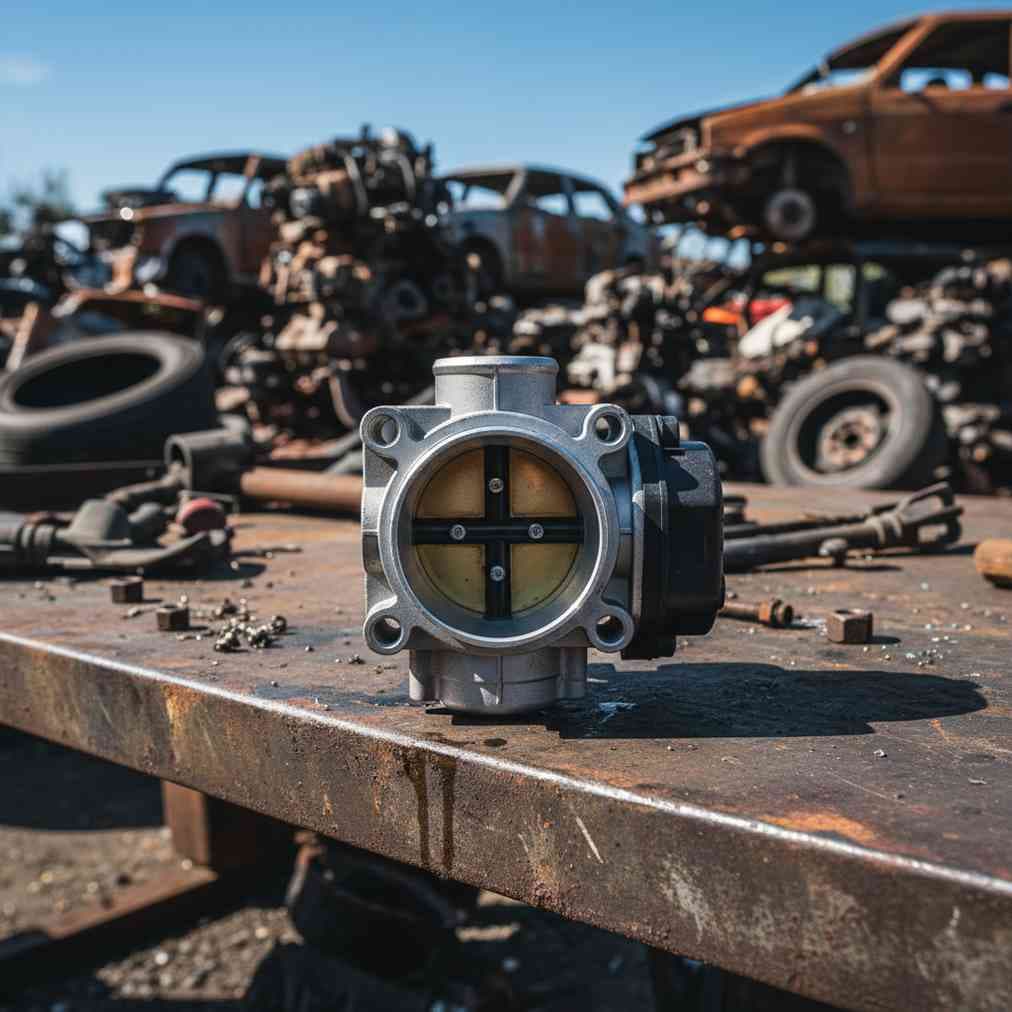
The throttle body is a critical component in your vehicle's fuel injection system that controls the amount of air entering the engine. When this component fails, purchasing a used throttle body from a junkyard can save you hundreds of dollars compared to buying new. Understanding how to properly select, inspect, and install a used throttle body is essential for a successful repair.
What Is a Throttle Body and How Does It Work?
The throttle body serves as the gateway between your air filter and intake manifold, regulating airflow based on your accelerator pedal position. Modern vehicles typically use one of two systems:
Cable-driven throttle bodies: Mechanically connected to the accelerator pedal via cable
Electronic Throttle Control (ETC): Uses electronic signals and sensors for precise control
According to SnakeEater Performance, ETC systems are becoming increasingly common and include components like the accelerator pedal position sensor, ETC module, and electronic throttle body motor. This allows for more sophisticated engine management and integration with other vehicle systems.
Benefits and Risks of Buying Used Throttle Bodies
Benefits
Risks
Cost savings: $35-$65 vs $500+ for new
No warranty or limited return policy
Environmental sustainability
Unknown maintenance history
OEM compatibility guaranteed
Potential carbon buildup issues
Immediate availability
Electronic component compatibility concerns
When shopping at salvage yards, it's crucial to understand both the advantages and potential pitfalls. As highlighted in our guide on when to buy used auto parts, throttle bodies are generally safe components to purchase used, unlike some critical safety items.
Critical Inspection Points for Used Throttle Bodies
Physical Condition Assessment
Before purchasing any used throttle body, conduct a thorough physical inspection. CarThrottle's junkyard shopping guide emphasizes checking for these critical issues:
Rust or corrosion on the throttle body housing or mounting surfaces
Cracks in the throttle body that could cause vacuum leaks
Damaged mounting points or cross-threaded bolt holes
Water damage indicators such as mineral deposits or corrosion
Excessive wear on the throttle plate or shaft
Carbon Buildup Evaluation
Carbon buildup is one of the most common issues with used throttle bodies. This accumulation occurs due to:
Incomplete fuel combustion
Poor quality fuel usage
Failing EGR system components
Inadequate maintenance schedules
Aggressive driving patterns
While carbon buildup can be cleaned using specialized throttle body cleaners, excessive buildup may indicate poor maintenance and potential internal damage. Similar to how we evaluate used transmissions at junkyards, the maintenance history significantly impacts the component's reliability.
Throttle Position Sensor and Electronic Components
Modern throttle bodies often include integrated Throttle Position Sensors (TPS) that monitor throttle valve position and communicate with the Engine Control Unit (ECU). According to 1800 Salvage, a faulty TPS can cause several symptoms:
Erratic or unstable idle
Poor acceleration response
Engine stalling or hesitation
Difficulty with automatic transmission shifting
Check Engine Light activation
“When buying a used throttle body, bring a mechanic with you to check the condition of the auto part. Make sure to ask about the quality of the parts used in the throttle body to ensure that it is made of high-quality material.”
This advice is particularly relevant when dealing with check engine light issues that may be related to throttle body problems.
Compatibility Considerations for Different Vehicle Systems
VIN Matching and Cross-Reference
Always cross-reference your vehicle's Vehicle Identification Number (VIN) with the used throttle body to ensure compatibility. This is especially critical for:
As detailed in our OEM car parts guide, using manufacturer-specific components ensures the best compatibility and performance.
Material Types and Performance Considerations
Throttle bodies are typically manufactured from two main materials:
Cast aluminum: More common and affordable, suitable for most applications
Billet aluminum: More durable and precise, preferred for high-performance applications
The throttle bore diameter also affects performance. Larger diameters allow greater airflow for increased horsepower but must be properly matched to your engine's requirements and ECU calibration to avoid drivability issues.
Cost Analysis and Budgeting
Understanding the total cost of a used throttle body purchase helps in making informed decisions:
Cost Component
Price Range
Notes
Used throttle body
$35 – $150
Varies by vehicle and complexity
Cleaning supplies
$10 – $25
Throttle body cleaner and gaskets
Professional installation
$100 – $300
Includes programming if required
Total project cost
$145 – $475
Compare to $500+ for new parts
According to YourMechanic, throttle body replacement costs can range from under $500 to nearly $1000 depending on vehicle complexity and labor requirements. This makes used parts an attractive option for budget-conscious repairs.
Expert Tips for Successful Junkyard Shopping
Successful throttle body shopping requires preparation and knowledge. Consider these expert recommendations:
Research beforehand: Identify compatible models and years before visiting
Bring tools: Basic hand tools for removal and inspection
Check multiple vehicles: Expand your search to find better condition parts
Ask about warranties: Some yards offer limited return policies
Inspect thoroughly: Don't rush the evaluation process
As mentioned in our comprehensive guide on most requested junkyard parts, throttle bodies are among the commonly sought components, making early arrival at the yard advantageous.
Cleaning and Preparation Process
Once you've purchased a used throttle body, proper cleaning is essential before installation:
Remove carbon deposits using specialized throttle body cleaner
Clean all gasket surfaces to ensure proper sealing
Inspect moving parts for smooth operation
Replace gaskets and seals to prevent vacuum leaks
Test sensor operation if electronically controlled
This process is similar to the preparation required for other used fuel system components we've covered in previous guides.
Installation and Programming Requirements
Modern electronic throttle bodies often require programming or adaptation procedures after installation. This process allows the ECU to:
Learn the throttle body's idle position
Calibrate sensor readings
Establish proper air-fuel mixture parameters
Integrate with other engine management systems
Professional installation may be necessary for vehicles with complex ETC systems, similar to the expertise required for car computer control modules.
Common Problems and Troubleshooting
Even with careful selection, used throttle bodies can present challenges. Watch for these common issues:
Symptom
Possible Cause
Solution
Rough idle
Carbon buildup or vacuum leak
Clean thoroughly, replace gaskets
Poor acceleration
Sticking throttle plate
Clean and lubricate moving parts
Check engine light
Faulty TPS or programming issue
Professional diagnosis required
Stalling
Incorrect idle air control
Clean IAC passage, reprogram ECU
Environmental Impact and Sustainability
Choosing used throttle bodies contributes to environmental sustainability by:
Extending component lifespan
Reducing manufacturing demand
Minimizing automotive waste
Conserving raw materials
Supporting the circular economy
This aligns with broader trends in recycled auto parts and sustainable automotive practices.
Final Recommendations
Successfully purchasing a used throttle body from a junkyard requires thorough preparation, careful inspection, and proper installation. Key takeaways include:
Always verify compatibility using your vehicle's VIN
Inspect thoroughly for physical damage and excessive wear
Budget for cleaning supplies and potential professional installation
Understand the complexity of your vehicle's throttle control system
Consider the environmental benefits of choosing recycled components
For more information about finding quality used auto parts, visit our comprehensive guide on local salvage yards and discover how to make the most of your junkyard shopping experience.
Remember that while used throttle bodies can provide significant cost savings, proper research and inspection are crucial for a successful repair. When in doubt, consult with a qualified mechanic to ensure compatibility and proper installation.