Used Catalytic Converters: Prices, Risks, and How to Buy Legally
Understanding Catalytic Converter Value: What Determines the Price? The value of a used catalytic converter depends primarily on its precious metals content – specifically platinum, palladium, and rhodium. These rare metals serve as catalysts to reduce harmful emissions, making them extremely valuable in the scrap market. Primary Value Factors Impact on Price Precious Metal Content [...]
Article image
Understanding Catalytic Converter Value: What Determines the Price?
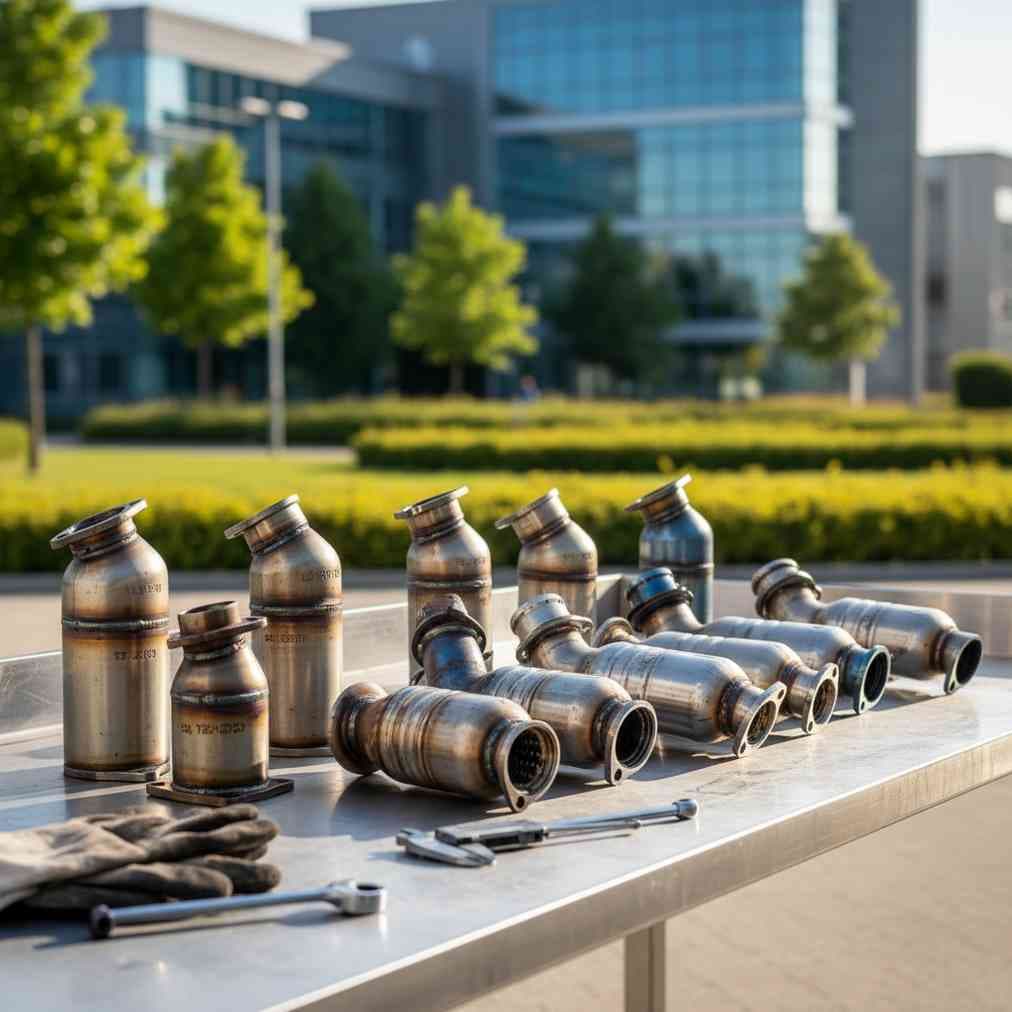
The value of a used catalytic converter depends primarily on its precious metals content – specifically platinum, palladium, and rhodium. These rare metals serve as catalysts to reduce harmful emissions, making them extremely valuable in the scrap market.
Primary Value Factors
Impact on Price
Precious Metal Content
Rhodium, platinum, and palladium concentrations drive 80% of value
Converter Type
OEM converters worth 50-300% more than aftermarket
Vehicle Make/Model
Luxury and hybrid vehicles contain higher metal concentrations
Market Fluctuations
Daily precious metal prices affect converter values
According to industry data from RRCats, OEM converters typically contain significantly higher concentrations of these valuable metals compared to aftermarket alternatives, making them substantially more valuable in the resale market.
Current Market Prices for Used Catalytic Converters in 2025
Understanding current market prices helps buyers and sellers make informed decisions. The catalytic converter market shows significant variation based on several key factors.
Converter Type
Price Range (2025)
Key Features
Foreign Car Converters
$75 – $250
Moderate precious metal content
Domestic Car Converters
$100 – $325
Variable metal concentrations
Truck Converters (OEM)
$250 – $800+
High precious metal content
Hybrid Converters
$400 – $1,000+
Highest metal concentrations
Aftermarket Converters
$50 – $150
Lower precious metal content
Market data from AutoCatalyst Market shows that hybrid vehicle converters, particularly from Toyota Prius models, command the highest prices due to their rich rhodium content.
Legal Requirements and Compliance for Purchasing Used Converters
The legal landscape surrounding used catalytic converter transactions has become increasingly complex due to rising theft rates. Understanding these requirements is crucial for legitimate buyers.
Record Keeping: Most states require detailed electronic records of each transaction within 24 hours
Seller Verification: Buyers must verify ownership through title documentation or vehicle registration
Marking Requirements: Some jurisdictions mandate unique identifier marking on purchased converters
Retention Periods: Many areas require holding converters for 7+ days before processing
Licensing Requirements: Automotive recyclers typically need proper state licensing
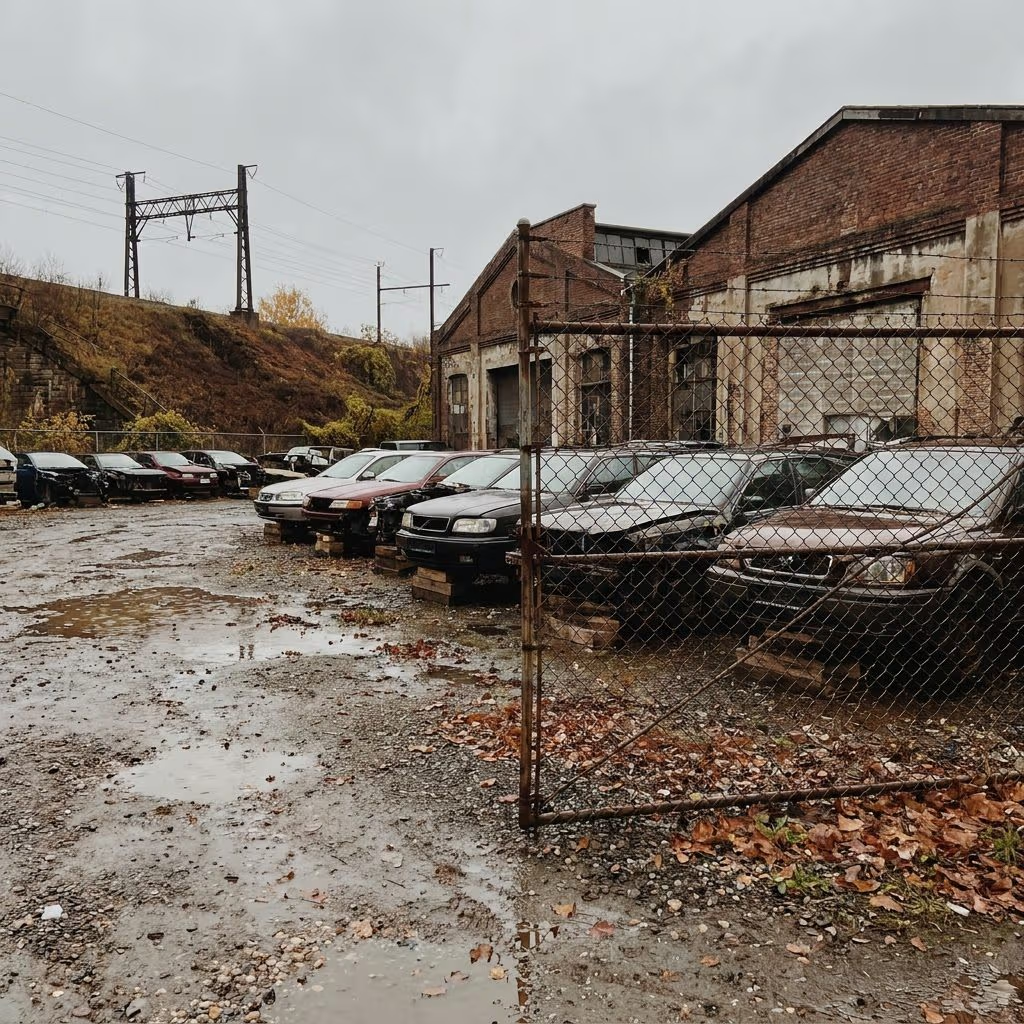
When looking for legitimate sources, consider visiting established salvage yards near me that follow proper documentation procedures and maintain transparent business practices.
Major Risks in the Used Catalytic Converter Market
Purchasing used catalytic converters involves several significant risks that buyers must understand and mitigate.
Theft-Related Risks
The primary concern is inadvertently purchasing stolen converters. This can result in:
Criminal liability for receiving stolen property
Loss of investment when converters are confiscated
Legal fees and court proceedings
Damage to business reputation
Performance and Quality Issues
Used converters may suffer from diminished effectiveness due to:
Performance Risk
Potential Consequences
Depleted Precious Metals
Failed emissions tests, increased pollution
Internal Damage
Reduced fuel efficiency, engine damage
Compatibility Issues
Poor fit, exhaust leaks, performance problems
No Warranty Coverage
Complete financial loss if converter fails
For those considering alternatives, exploring OEM car parts from reputable sources can provide better quality assurance.
Best Practices for Safe and Legal Purchasing
Following established best practices helps ensure legal compliance and reduces risks associated with used catalytic converter purchases.
Due Diligence Steps
Verify Local Laws: Check specific state and local regulations before any transaction
Use Licensed Dealers: Work only with properly licensed automotive recyclers
Document Everything: Maintain detailed records of all transactions and communications
Inspect Thoroughly: Check for physical damage, rust, or signs of tampering
Request Proof of Ownership: Obtain vehicle titles or ownership documentation
Recommended Sources
The safest approach involves purchasing from established, reputable sources such as:
Source Type
Advantages
Verification Requirements
Licensed Recyclers
Legal compliance, documentation
State licensing, insurance verification
Established Salvage Yards
Physical location, reputation
Business registration, customer references
Authorized Dealers
Warranty coverage, quality assurance
Manufacturer authorization, certifications
“The key to successful catalytic converter purchasing lies in thorough documentation and working with established, licensed dealers who prioritize legal compliance over quick profits.”
Maximizing Value When Selling Scrap Catalytic Converters
For those looking to maximize returns on scrap catalytic converters, several strategic approaches can significantly impact final payouts.
Market Timing and Research
Success in the scrap market requires understanding precious metal price fluctuations and market timing. Resources like RRCats scrap prices provide daily updates on market values.
Monitor Daily Prices: Track platinum, palladium, and rhodium market values
Identify Converter Types: Learn to distinguish between OEM and aftermarket models
Research Serial Numbers: Use online databases to verify converter specifications
Understand Seasonal Patterns: Recognize peak demand periods in the automotive industry
Optimization Strategies
Strategy
Expected Benefit
Implementation
Bulk Sales
10-20% price premium
Group similar converters, negotiate volume discounts
Proper Classification
15-50% value increase
Accurately identify OEM vs aftermarket models
Condition Preservation
20-30% value retention
Maintain intact ceramic cores, avoid damage
Professional Removal
25-40% additional value
Clean removal without cutting or damage
Industry Trends and Future Market Outlook
The catalytic converter recycling industry continues evolving, with several key trends shaping future market conditions.
Price Stabilization Factors
According to industry analysis from Auto Recycling World, several factors are contributing to market stabilization:
Increased Recycling Volume: Expected to triple by 2030
Technology Improvements: Better precious metal recovery methods
Market Maturity: More established pricing mechanisms
Projected Price Ranges
Industry experts predict the following precious metal price stabilization:
Metal
Current Range
Projected Stabilization
Palladium
$800-$1,200/oz
$600-$700/oz
Rhodium
$3,000-$5,000/oz
$2,500-$3,000/oz
Platinum
$900-$1,100/oz
$800-$950/oz
Technology and Authentication Methods
Modern authentication technologies are revolutionizing how catalytic converters are valued and verified in the marketplace.
Spectral Analysis Technology
Advanced recycling facilities now use spectral analysis equipment to precisely determine precious metal content, leading to more accurate pricing based on actual metal concentrations rather than estimates.
X-Ray Fluorescence (XRF): Non-destructive testing for metal content
Digital Documentation: Blockchain-based tracking systems
Serial Number Verification: Database cross-referencing for authenticity
Environmental Impact and Sustainability
The environmental benefits of catalytic converter recycling extend beyond simple waste reduction, contributing to broader sustainability goals in the automotive industry.
Environmental Benefit
Impact
Measurement
Reduced Mining
Lower environmental extraction
95% reduction in mining requirements
Energy Conservation
Decreased processing energy
80% less energy than primary production
Waste Reduction
Diverted from landfills
Millions of converters annually recycled
Resource Recovery
Precious metal recapture
90-95% metal recovery rates
Making Informed Decisions: New vs. Used vs. Aftermarket
When considering catalytic converter options, understanding the trade-offs between different choices helps make informed purchasing decisions.
Option
Initial Cost
Warranty
Performance
Long-term Value
New OEM
Highest
Full manufacturer
Guaranteed optimal
Excellent
Used OEM
Moderate
None/limited
Variable
Uncertain
New Aftermarket
Lower
Limited manufacturer
Adequate
Good
Used Aftermarket
Lowest
None
Poor to adequate
Poor
For those seeking immediate financial return from old vehicles, consider exploring options to sell a junk car rather than attempting to part out individual components.
Key Takeaways for Catalytic Converter Transactions
Successfully navigating the used catalytic converter market requires balancing value optimization with legal compliance and quality assurance.
Value Assessment: Precious metal content drives 80% of converter value
Legal Compliance: Documentation and licensing requirements vary by state
Risk Management: Theft concerns make legitimate sourcing crucial
Market Timing: Metal price fluctuations significantly impact values
Quality Considerations: Used converters may have diminished effectiveness
Professional Assessment: Spectral analysis provides accurate valuations
The catalytic converter market continues evolving with improved regulations, better authentication methods, and growing environmental awareness. Whether buying or selling, success depends on understanding market dynamics, following legal requirements, and working with established, reputable partners who prioritize compliance and transparency.
For additional resources on automotive recycling and parts sourcing, current market data from RRCats and YS Catalytic Recycling provide valuable pricing information and industry insights.