Understanding Used Headlights and Tail Lights: A Smart Buyer's Guide Finding used headlights and tail lights at junkyards represents one of the most cost-effective ways to repair your vehicle's lighting system. With new OEM headlight assemblies costing between $200-$600 per pair, and premium LED units exceeding $2,000, purchasing used parts can save you up to [...]
Article image
Understanding Used Headlights and Tail Lights: A Smart Buyer's Guide
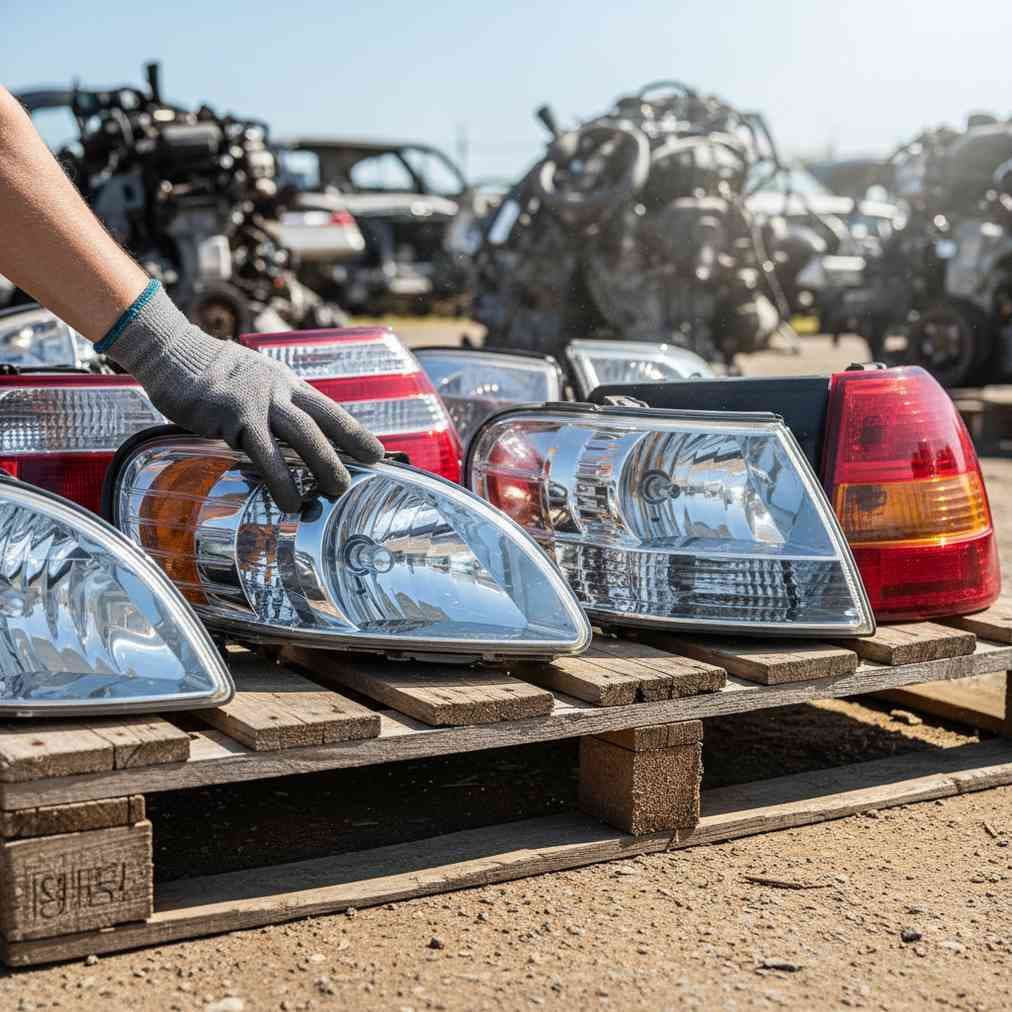
Finding used headlights and tail lights at junkyards represents one of the most cost-effective ways to repair your vehicle's lighting system. With new OEM headlight assemblies costing between $200-$600 per pair, and premium LED units exceeding $2,000, purchasing used parts can save you up to 80% compared to dealership prices. This comprehensive guide will help you navigate the world of salvaged automotive lighting components.
The Financial Benefits of Buying Used Automotive Lighting
The automotive lighting market has evolved significantly, with advanced LED and HID technologies driving up replacement costs. When you explore auto salvage yards for OEM headlights and taillights, you'll discover substantial savings opportunities without compromising on quality.
Component Type
New OEM Price
Used Price Range
Potential Savings
Halogen Headlights
$200-$400
$40-$80
70-80%
LED Headlights
$800-$2,000+
$150-$400
60-75%
Tail Light Assembly
$150-$300
$30-$65
75-80%
HID/Xenon Units
$600-$1,200
$120-$240
70-80%
Critical Compatibility Factors
Before purchasing any used automotive lighting, understanding compatibility requirements is essential. Modern vehicles use sophisticated lighting systems that require precise matching to ensure proper function and safety.
Vehicle-Specific Matching
Year, Make, and Model: Exact matching is crucial as manufacturers frequently update designs
Part Numbers: Cross-reference DOT stamped numbers on original components
Facelift Variations: Pre and post-facelift models may have different connectors despite similar appearance
Trim Level Differences: Base models versus premium trims often use different lighting technologies
“A used headlight or tail light lens is a pretty low risk purchase. It's not like there are any moving parts that wear down.”
Auto Parts Industry Expert
Understanding Housing Types
Modern vehicles utilize three primary lighting technologies, each with distinct requirements and characteristics. When shopping for used car headlights at local junkyards, understanding these differences is crucial.
Halogen Systems: Most common, uses replaceable tungsten filament bulbs
HID/Xenon: Requires ballast and specific wiring harness
LED Assemblies: Often integrated units requiring complete assembly replacement
Evaluating Lens Condition and Quality
The physical condition of used headlight and tail light lenses directly impacts both safety and performance. Proper inspection techniques can help you identify quality components that will provide reliable service.
Visual Inspection Checklist
Crack Detection: Look for hairline cracks that may worsen over time
Scratch Assessment: Minor surface scratches are acceptable, deep gouges compromise light output
Yellowing and Fogging: UV damage creates cloudy appearance reducing visibility
Seal Integrity: Check gaskets and sealing surfaces for moisture intrusion prevention
Legitimate automotive lighting components feature Department of Transportation (DOT) and Society of Automotive Engineers (SAE) certification markings. These stamps indicate compliance with federal safety regulations and should be present on any used parts you consider purchasing.
LED vs Traditional Bulb Technologies
The automotive industry's transition toward LED technology has created unique considerations for used parts buyers. Understanding the differences between replaceable bulb systems and integrated LED assemblies helps inform purchasing decisions.
Technology
Lifespan
Replaceability
Heat Generation
Energy Consumption
Halogen
500-1,000 hours
Individual bulbs
High
55-65 watts
LED
50,000-60,000 hours
Full assembly
Low
15-25 watts
HID/Xenon
2,000-3,000 hours
Bulb + ballast
Medium
35-55 watts
Integrated LED Considerations
Modern LED headlight assemblies often feature integrated circuits and drivers that cannot be serviced individually. If LED components fail within these units, complete assembly replacement becomes necessary. This design characteristic makes finding quality used LED assemblies particularly valuable.
Testing Requirements: LED units should be electrically tested before purchase
Driver Circuits: Internal electronics are vulnerable to voltage spikes and moisture
Thermal Management: Heat sinks and cooling fans must be intact and functional
OEM vs Aftermarket: Why Original Equipment Matters
When shopping for used automotive lighting, prioritizing OEM headlight assemblies ensures optimal fit, finish, and performance. Original Equipment Manufacturer parts are designed to exact specifications and undergo rigorous testing procedures.
Precise Fitment: Exact mounting points and connector compatibility
Material Quality: UV-resistant plastics and corrosion-resistant metals
Optical Design: Engineered beam patterns for optimal road illumination
Durability Testing: Validation against temperature, vibration, and moisture standards
Where to Find Quality Used Lighting Components
Successful sourcing of used headlights and tail lights requires knowing where to look and what questions to ask. Modern salvage operations have evolved beyond traditional junkyards to become sophisticated parts suppliers with computerized inventory systems.
Inventory Management: Computerized systems track available parts by vehicle
Quality Standards: Many yards inspect and test electrical components
Warranty Policies: Some locations offer limited guarantees on functional parts
National Networks: Access to parts location services across multiple yards
Online Parts Locators
Modern technology has revolutionized parts sourcing through online inventory systems. Many salvage yards now offer web-based search tools that allow customers to locate specific components before visiting.
Installation Considerations and Professional Tips
Proper installation of used headlights and tail lights requires attention to both mechanical mounting and electrical connections. Understanding common pitfalls helps ensure successful replacement and long-term reliability.
Mechanical Installation
Mounting Hardware: Verify all brackets, screws, and clips are included
Alignment Procedures: Headlights require proper beam alignment for safety
Seal Replacement: Consider installing new gaskets to prevent moisture intrusion
Adjustment Mechanisms: Test vertical and horizontal adjustment functions
Electrical Connections
Modern automotive lighting systems incorporate complex wiring harnesses and computer controls. When working with used components, electrical compatibility becomes critical for proper function.
Connector Inspection: Look for corrosion, damage, or bent pins
Wire Harness Routing: Follow original pathways to prevent chafing
Computer Compatibility: Some LED systems require coding or programming
Cost Analysis and Budgeting
Creating a realistic budget for used lighting components involves considering both the initial purchase price and potential additional costs for installation and restoration.
Cost Category
Typical Range
Notes
Used Headlight Assembly
$30-$400
Varies by vehicle and technology
Replacement Bulbs
$15-$150
LED bulbs cost more than halogen
Installation Labor
$50-$200
Complex systems require professional service
Lens Restoration
$20-$80
Polishing kits for cloudy lenses
Just as savvy consumers look for high-value used auto parts at junkyards, headlight and tail light assemblies represent excellent value propositions when sourced carefully.
Environmental Impact and Sustainability
Choosing used automotive lighting components supports environmental sustainability through waste reduction and resource conservation. The automotive recycling industry plays a crucial role in minimizing the environmental impact of vehicle ownership.
Resource Conservation: Reusing functional components reduces raw material demand
Manufacturing Energy: Avoiding new production saves significant energy consumption
Carbon Footprint: Reduces transportation and packaging associated with new parts
Common Mistakes to Avoid
Learning from the experiences of other buyers can help you avoid costly mistakes when purchasing used headlights and tail lights. Understanding these common pitfalls improves your chances of finding quality components.
Purchasing Errors
Skipping Compatibility Verification: Always confirm exact part numbers and fitment
Ignoring Electrical Testing: Test LED and HID units before purchase when possible
Overlooking Hidden Damage: Inspect mounting tabs and internal components thoroughly
Forgetting Installation Hardware: Ensure all necessary brackets and fasteners are included
Inadequate Sealing: Poor gasket installation leads to moisture problems
Electrical Shortcuts: Improper wiring can damage vehicle systems
Skipping Professional Help: Complex systems may require dealer programming
Future Trends in Automotive Lighting
The automotive lighting industry continues evolving with new technologies that will impact the used parts market. Understanding these trends helps predict future availability and pricing patterns.
Adaptive LED Systems: Computer-controlled beam patterns becoming standard
Laser Headlights: Ultra-premium technology in luxury vehicles
Matrix LED Arrays: Individual LED control for precise light distribution
OLED Tail Lights: Organic LED technology for uniform illumination
Maximizing Your Investment
Getting the most value from used headlight and tail light purchases requires strategic thinking and careful execution. By following proven strategies, you can achieve professional results while maintaining budget consciousness.
Timing Your Purchase
Like many aspects of automotive maintenance, timing can significantly impact costs. Understanding market patterns helps optimize your purchasing decisions.
Seasonal Considerations: Winter months often bring more inventory from accident vehicles
Model Year Cycles: Newer generation launches increase previous generation availability
Economic Factors: Economic downturns typically increase salvage yard inventory
Special Events: Many yards offer promotional discounts during slow periods
Building Relationships with Suppliers
Developing relationships with used auto parts stores can provide access to better inventory and preferential pricing. Professional salvage operations value repeat customers and often provide enhanced service levels.
Quality Assurance and Testing
Implementing quality assurance procedures helps ensure used lighting components meet safety and performance standards. Professional testing approaches can identify potential issues before installation.
Visual Inspection Protocols: Systematic examination of all surfaces and connections
Electrical Testing: Multimeter verification of circuit continuity and resistance
Operational Testing: Functional verification of all lighting modes
Documentation: Recording part numbers, conditions, and test results
Conclusion: Making Smart Choices in Used Automotive Lighting
Purchasing used headlights and tail lights from junkyards and salvage yards offers significant financial advantages while supporting environmental sustainability. Success in this market requires understanding compatibility requirements, properly evaluating component condition, and recognizing the differences between various lighting technologies.
Whether you're seeking basic halogen replacements or advanced LED assemblies, the used parts market provides viable alternatives to expensive new components. By following the guidelines outlined in this comprehensive guide, you can confidently navigate the world of salvaged automotive lighting and achieve professional results while maintaining budget consciousness.
Remember that quality OEM headlight assemblies from reputable salvage yards often provide better value than aftermarket alternatives, offering superior fit, finish, and longevity. Take advantage of the expertise available at professional salvage operations, and don't hesitate to seek assistance when dealing with complex LED or HID systems that may require specialized knowledge for proper installation and operation.