Used Transmission Buying Guide: What to Test and What to Avoid
Why Choose a Used Transmission from Salvage Yards? Purchasing a used transmission from a salvage yard can offer significant savings compared to buying new or rebuilt units. However, this cost-effective approach requires careful inspection and thorough testing to avoid costly mistakes. Understanding what to look for and what to avoid can help you make an [...]
Article image
Why Choose a Used Transmission from Salvage Yards?
Purchasing a used transmission from a salvage yard can offer significant savings compared to buying new or rebuilt units. However, this cost-effective approach requires careful inspection and thorough testing to avoid costly mistakes. Understanding what to look for and what to avoid can help you make an informed decision when shopping at junkyards near you.
Key Benefits of Used Transmissions
Cost Savings: Used transmissions typically cost 50-70% less than new or rebuilt units, potentially saving thousands of dollars
Perfect Compatibility: Parts from the same make, model, and year ensure exact fit and compatibility
Availability: Easier to find discontinued or rare transmission models for older vehicles
Environmental Impact:Recycled auto parts reduce waste and conserve manufacturing resources
Quick Sourcing: Immediate availability compared to waiting for special orders
Essential Pre-Purchase Inspection Steps
Visual Inspection Checklist
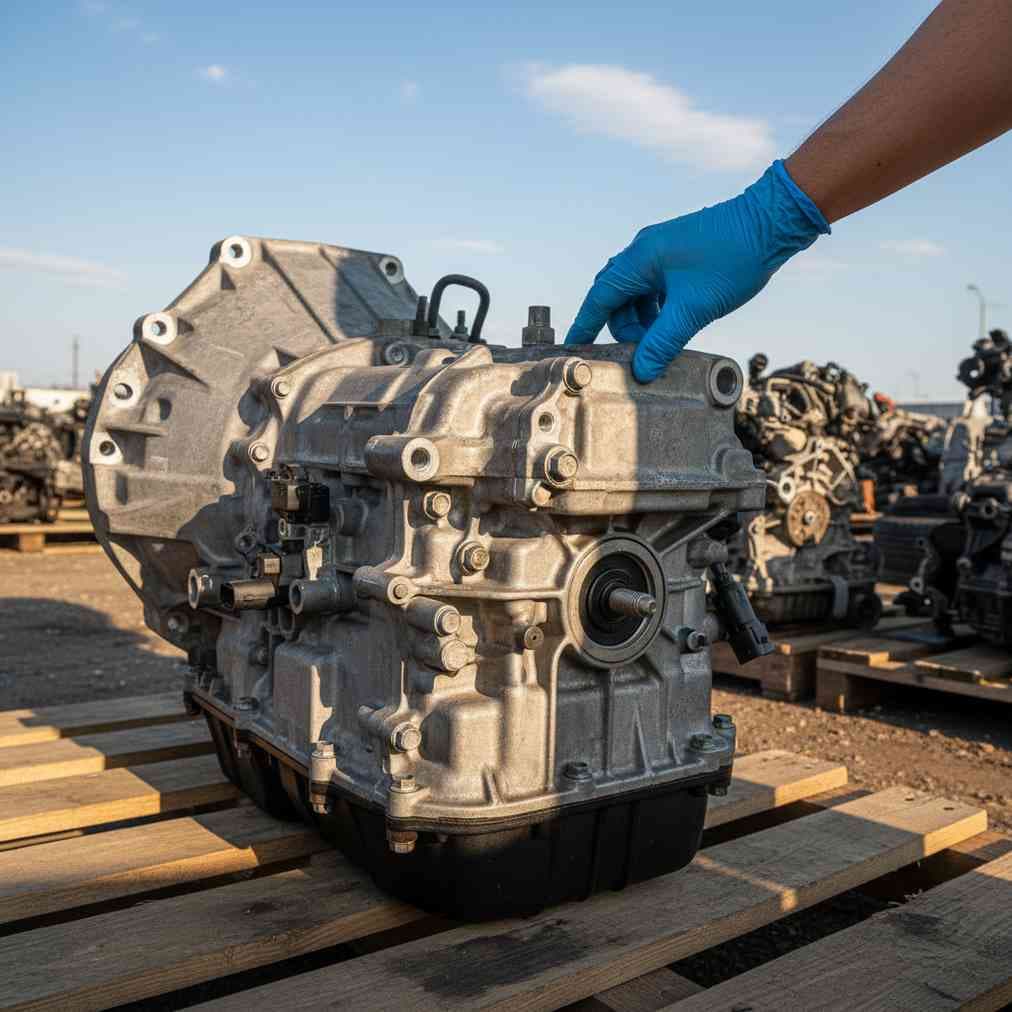
The first step in evaluating any used transmission involves a comprehensive visual inspection. This initial assessment can reveal obvious problems before you invest time in more detailed testing.
The condition of transmission fluid serves as one of the most reliable indicators of internal transmission health. Proper fluid analysis can reveal hidden problems that aren't immediately visible.
Color Assessment: Healthy fluid appears pinkish-red to light brown
Consistency Check: Fluid should flow smoothly without thick or gummy texture
Contamination Detection: Look for metal shavings, debris, or foam formation
Level Verification: Adequate fluid levels suggest proper maintenance history
“Dark, burnt-smelling transmission fluid is the single most reliable indicator of internal damage and should be treated as an immediate red flag when inspecting used transmissions.”
Mechanical Testing Procedures
Manual Operation Tests
When possible, perform hands-on mechanical testing to assess the transmission's operational integrity. These tests can reveal internal wear and damage that visual inspection might miss.
Input Shaft Rotation: Turn the input shaft manually to check for smooth operation
Output Shaft Response: Verify appropriate output shaft movement with input rotation
Gear Engagement: Test shifting through available gears for smooth engagement
Clutch Operation: Assess clutch engagement and release (manual transmissions)
Torque Converter Check: Inspect for damage or excessive play (automatic transmissions)
Diagnostic Testing with OBD Tools
Modern diagnostic tools can uncover hidden electronic issues that affect transmission performance. Using an OBD scanner helps identify stored error codes and system malfunctions.
Diagnostic Area
Common Issues
Impact Assessment
Solenoid Function
Valve body problems, electrical faults
Shifting irregularities, performance loss
Sensor Readings
Speed sensors, pressure switches
Erratic shifting, warning lights
Control Module
Programming issues, communication errors
Complete transmission failure
Pressure Systems
Hydraulic leaks, pump problems
Slipping, delayed engagement
Critical Red Flags to Avoid
Immediate Disqualifiers
Certain conditions should immediately eliminate a used transmission from consideration, regardless of price or availability. These red flags indicate fundamental problems that are unlikely to be economically repairable.
Burnt Transmission Fluid: Dark, foul-smelling fluid indicates severe overheating damage
Metal Contamination: Shavings or particles suggest internal component failure
Case Damage: Cracks or structural damage compromise transmission integrity
Excessive Leakage: Multiple leak points indicate widespread seal failure
Some issues may not immediately disqualify a transmission but require professional evaluation to determine repair feasibility and cost-effectiveness.
Warning Sign
Potential Issue
Resolution Difficulty
Hesitant Shifting
Valve body problems, clutch wear
Moderate to High
Minor Fluid Leaks
Gasket replacement needed
Low to Moderate
Electronic Codes
Sensor or solenoid issues
Low to Moderate
Unusual Noises
Bearing wear, gear damage
High
Compatibility and Documentation Verification
Ensuring Proper Fit
Transmission compatibility extends beyond basic make and model matching. Subtle variations in engine codes, transmission options, and production dates can affect proper fitment and operation.
VIN Matching: Use vehicle identification numbers for precise compatibility confirmation
Part Number Verification: Cross-reference manufacturer part numbers for exact matches
Engine Code Compatibility: Ensure transmission matches specific engine configurations
Production Date Considerations: Account for mid-year changes and updates
Option Package Verification: Confirm transmission specifications match vehicle options
Service History and Warranty Documentation
Comprehensive documentation provides valuable insights into the transmission's maintenance history and potential longevity. Reputable salvage yards often provide some form of quality assurance.
Mileage Records: Lower mileage units typically offer better long-term reliability
Maintenance History: Regular service indicates proper care and maintenance
Previous Repairs: Understanding past issues helps predict future problems
Donor Vehicle Condition: Accident vs. mechanical failure provides context for transmission condition
Warranty Options: Limited warranties offer protection against immediate failures
Professional Inspection and Testing
When to Seek Expert Help
While basic inspection can be performed by most car owners, complex transmission systems often require professional assessment to identify subtle problems that could prove costly after installation.
High-Value Purchases: Expensive transmissions justify professional inspection costs
Complex Systems: Modern computer-controlled transmissions require specialized knowledge
Uncertainty Factors: Unknown history or questionable condition warrant expert evaluation
Specialized Testing: Pressure tests and electronic diagnostics require professional tools
Installation Planning: Compatibility and modification requirements need expert assessment
Advanced Testing Procedures
Professional mechanics have access to specialized equipment and testing procedures that can reveal problems invisible to basic inspection methods.
Test Type
Equipment Required
Issues Detected
Pressure Testing
Hydraulic pressure gauge
Pump efficiency, valve body problems
Electronic Diagnosis
Professional scan tool
Control module issues, sensor faults
Road Testing
Test vehicle setup
Real-world performance issues
Endoscopic Inspection
Boroscope camera
Internal wear, component damage
Cost-Benefit Analysis and Decision Making
Financial Considerations
Making an informed decision about used transmission purchases requires careful analysis of total costs versus potential savings. Consider all expenses associated with the purchase and installation process.
Purchase Price: Initial transmission cost from salvage yard
Inspection Costs: Professional evaluation and testing fees
Installation Expenses: Labor and additional parts for installation
Potential Repairs: Additional work that may be discovered during installation
Warranty Value: Protection against immediate failure costs
Risk Assessment Matrix
Evaluate the overall risk versus reward ratio when considering different used transmission options. This assessment helps guide decision-making based on individual circumstances and risk tolerance.
Risk Level
Characteristics
Recommended Action
Low Risk
Low mileage, good fluid, warranty
Proceed with confidence
Moderate Risk
Average mileage, minor issues
Professional inspection recommended
High Risk
High mileage, unknown history
Consider alternatives
Extreme Risk
Visible damage, contaminated fluid
Avoid purchase
Installation Preparation and Best Practices
Pre-Installation Requirements
Proper preparation before installation helps ensure successful transmission replacement and optimal performance. Planning ahead prevents delays and additional costs during the installation process.
Fluid Requirements: Obtain correct type and quantity of transmission fluid
Filter Replacement: Plan to replace filters and gaskets during installation
Additional Components: Consider replacing related parts like mounts and cooler lines
Special Tools: Ensure access to required installation tools and equipment
Break-in Procedures: Understand proper procedures for new transmission operation
Quality Assurance Steps
Implementing quality assurance measures during and after installation helps identify potential problems early and ensures optimal transmission performance.
Proper Torque Specifications: Follow manufacturer specifications for all connections
Fluid Level Verification: Ensure correct fluid levels after installation
Break-in Period Monitoring: Watch for issues during initial operation period
Follow-up Inspection: Schedule post-installation checks for early problem detection
Final Recommendations for Used Transmission Buyers
Successfully purchasing a used transmission requires patience, thorough inspection, and realistic expectations. While significant savings are possible, buyers must balance cost considerations with quality and reliability requirements.
Before making final decisions, consider whether repairs to your existing transmission might be more cost-effective. If your current vehicle has reached the point where cash for cars options provide better value than major repairs, it may be time to explore alternative solutions.
Research Thoroughly: Understand your specific transmission requirements before shopping
Inspect Carefully: Never skip comprehensive visual and mechanical inspection steps
Verify Compatibility: Confirm exact fitment before committing to purchase
Consider Professional Help: Expert inspection often pays for itself in avoided problems
Plan for Installation: Budget for proper installation and related components
Maintain Realistic Expectations: Used transmissions require careful maintenance and monitoring
By following these comprehensive guidelines and maintaining realistic expectations, buyers can successfully navigate the used transmission market and achieve significant cost savings while obtaining reliable replacement components for their vehicles.