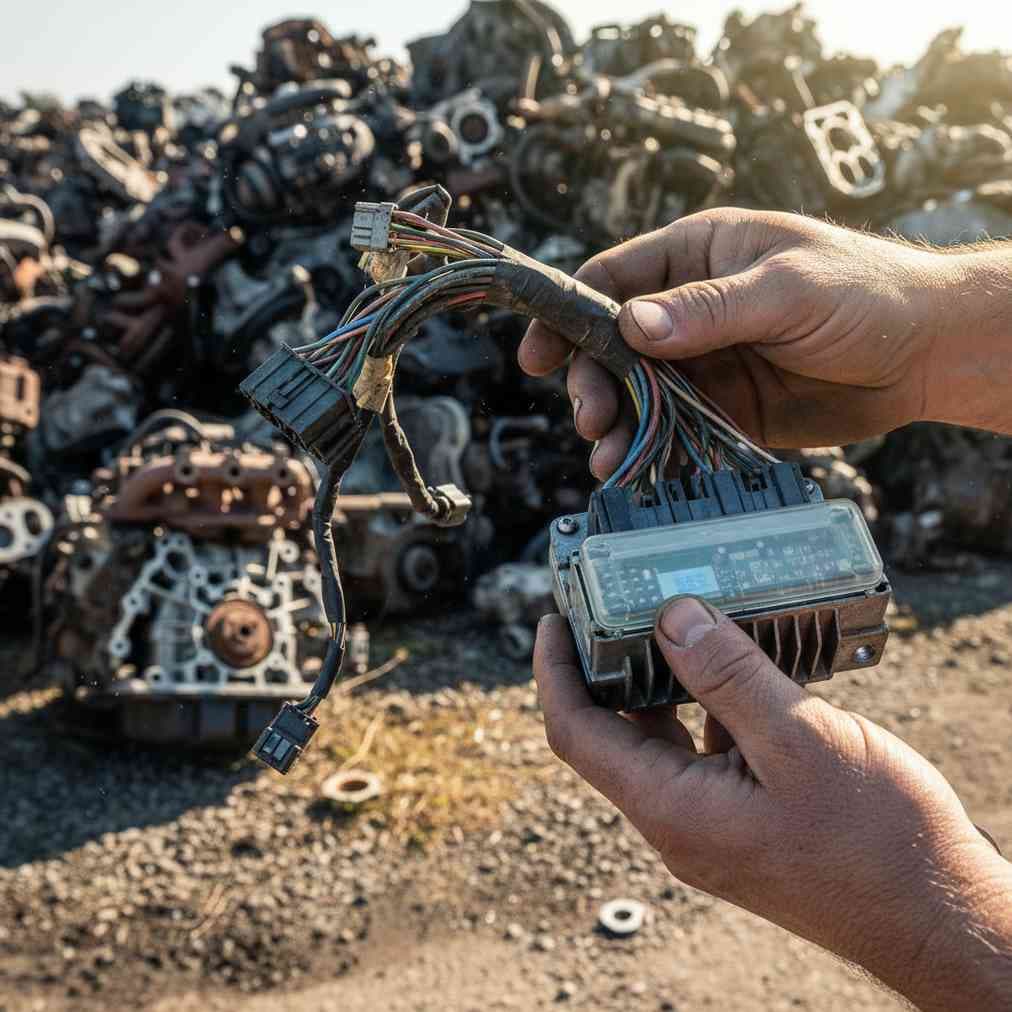
Transmission Control Modules (TCMs) are critical components in modern automatic transmissions, and when they fail, replacement costs can be significant. Purchasing a used TCM from a junkyard offers a cost-effective alternative, potentially saving you 50-80% compared to new OEM parts. However, this option comes with unique challenges and considerations that every car owner should understand [...]
Article image
Transmission Control Modules (TCMs) are critical components in modern automatic transmissions, and when they fail, replacement costs can be significant. Purchasing a used TCM from a junkyard offers a cost-effective alternative, potentially saving you 50-80% compared to new OEM parts. However, this option comes with unique challenges and considerations that every car owner should understand before making this investment.
Understanding Transmission Control Modules (TCMs)
A Transmission Control Module, also known as an automatic gearbox module, is an electronic control unit that manages your vehicle's automatic transmission operation. The TCM works in conjunction with various sensors including input speed sensors and wheel speed sensors to direct gear shifting, speed regulation, and transmission temperature management.
The module communicates closely with the engine control module (ECM) to ensure smooth and efficient transmission operation. This sophisticated electronic component interprets sensor data and makes real-time decisions about when and how your transmission should shift gears, making it essential for optimal vehicle performance and fuel efficiency.
Common TCM Failures and Warning Signs
Understanding the symptoms of TCM failure is crucial for diagnosing transmission problems accurately. According to transmission experts, TCM failures manifest in several distinct ways that can significantly impact your driving experience.
Erratic or delayed shifting of gears during acceleration or deceleration
Transmission getting stuck in a specific gear frequency
Reduced fuel efficiency due to improper fuel/air mixture coordination
Warning lights or error codes appearing on dashboard (commonly P0791, P0700, or P0740)
Transmission slipping or harsh engagement between gears
Complete inability to shift gears in severe cases
These failures can arise from various sources including electrical faults, sensor malfunctions, internal module damage, water intrusion, or electrical shorts. Premature TCM failure often occurs due to manufacturing defects or stress from harsh driving conditions such as aggressive acceleration or towing heavy loads beyond the vehicle's capacity.
TCM Lifespan and Replacement Statistics
Component Aspect
Typical Range
Notes
TCM Lifespan
80,000 – 120,000 miles
Varies based on driving conditions
Cost Savings (Used vs New)
50% – 80% savings
Significant budget advantage
Reprogramming Required
90% of cases
Professional service needed
Warranty Period (Used)
30-90 days
Varies by salvage yard
The typical TCM lifespan ranges from 80,000 to 120,000 miles under normal use conditions, though this varies significantly based on driving habits and environmental factors. When transmission problems arise, ignoring TCM failure signs can lead to extensive transmission damage and costly repairs.
Benefits of Buying Used TCMs from Junkyards
Purchasing a used TCM from salvage yards offers several compelling advantages for budget-conscious vehicle owners. Auto parts specialists emphasize that used OEM modules often provide superior reliability compared to aftermarket alternatives.
Substantial cost savings compared to new or remanufactured TCMs
Original Equipment Manufacturer (OEM) quality tailored to specific make and model
Enhanced compatibility with existing vehicle systems
Many auto recyclers test modules for functionality before resale
Immediate availability from same model year or closely related models
Environmental benefits through automotive component recycling
When shopping at local salvage yards, you'll often find competitive pricing on OEM transmission control modules that maintain the original specifications and quality standards of your vehicle's manufacturer.
Testing and Evaluation of Used TCMs
Proper testing of a used TCM requires systematic evaluation to ensure functionality before installation. Professional transmission technicians recommend a multi-step approach to verify module integrity and compatibility.
Visual Inspection Methods
Connector examination for signs of corrosion, damage, or burnt components
Physical housing inspection for cracks, water damage, or impact damage
Pin integrity verification ensuring all electrical connections are intact
Part number confirmation to match exact specifications
Diagnostic Testing Procedures
OBD-II scanner analysis to read diagnostic trouble codes (DTCs)
Communication testing with other vehicle modules
Signal input and output verification using specialized transmission diagnostic equipment
Bench testing availability from professional rebuilders before installation
Similar to other car computer control modules, TCMs require thorough evaluation to prevent installation of faulty components that could cause additional transmission damage.
Reprogramming Requirements and Process
TCM reprogramming is typically required when installing a used transmission control module, as these components are often programmed with vehicle-specific parameters from their original installation. Transmission experts emphasize the critical importance of proper programming for optimal performance.
Programming Components
VIN Programming: Module must be programmed with specific Vehicle Identification Number
Mileage Calibration: Accurate odometer reading integration
Transmission Parameters: Shift points, pressure settings, and timing adjustments
Software Updates: Latest manufacturer updates for optimal compatibility
“The challenge with salvage electronics is that you're often buying a component with an unknown history. While you might get lucky, it's a gamble.”
— Independent Transmission Mechanic
Professional programming typically requires specialized equipment available at dealerships or qualified transmission shops. Failure to properly reprogram can result in improper shifting behavior, performance issues, or complete transmission malfunction.
Risks and Considerations
While purchasing used TCMs offers financial benefits, several risk factors require careful consideration. Understanding these potential challenges helps buyers make informed decisions and avoid costly mistakes.
Risk Factor
Impact Level
Mitigation Strategy
Unknown History
High
Request vehicle history, visual inspection
Compatibility Issues
Medium
Verify exact part numbers and software versions
Limited Warranty
Medium
Negotiate return policy, buy from reputable dealers
Programming Costs
Low
Factor into total cost calculation
Unknown component history with potential wear and tear affecting longevity
Part number compatibility must be verified precisely before purchase
Software version variations may create integration challenges
Limited or no warranty coverage compared to new components
When considering when to buy used auto parts, TCMs fall into a category requiring extra caution due to their electronic complexity and vehicle-specific programming requirements.
Cost Analysis and Budgeting
Understanding the total cost of TCM replacement using junkyard parts requires consideration of multiple factors beyond the initial purchase price. Smart budgeting includes all associated costs for a complete repair solution.
Cost Breakdown
Cost Component
Used TCM Range
New TCM Range
Savings Potential
TCM Module
$150 – $400
$800 – $2,000
60% – 75%
Programming
$100 – $200
$100 – $200
Same cost
Installation Labor
$150 – $300
$150 – $300
Same cost
Total Investment
$400 – $900
$1,050 – $2,500
$650 – $1,600
The significant cost advantage makes used TCMs attractive for older vehicles or situations where smart people save money fixing their cars through strategic junkyard purchases.
Finding Quality Used TCMs
Locating reliable used transmission control modules requires research and patience. The best sources combine competitive pricing with quality assurance and reasonable warranty coverage.
Reputable salvage yards with testing capabilities and warranties
Online auto parts marketplaces specializing in recycled OEM components
Local transmission shops that rebuild and resell tested modules
Auto recycling centers with electronic parts specialization
Forum recommendations from vehicle-specific owner communities
When visiting U-Pull-It junkyards, remember that TCMs are typically not self-service items due to their complexity and programming requirements. Most facilities handle these components through their professional parts counter.
Installation and Professional Services
Professional TCM installation is strongly recommended due to the complexity of transmission systems and programming requirements. While some experienced DIY mechanics might handle the physical installation, the programming aspect typically requires dealer-level equipment.
Installation Process
Battery disconnection and electrical safety procedures
TCM location and access (varies significantly by vehicle)
Connector removal with proper electrical handling
Module replacement and secure mounting
System reconnection and initial testing
Professional programming with vehicle-specific parameters
Road testing to verify proper operation
Choosing the right auto repair shop for TCM installation ensures proper handling of this critical component. Look for shops with transmission experience and proper diagnostic equipment.
Recent Developments and Future Trends
The automotive industry's increasing integration of complex electronics into vehicles affects the used TCM market significantly. Modern transmission control modules are becoming more sophisticated and tightly integrated with other vehicle control units.
Enhanced diagnostic systems for better failure prediction
Over-the-air (OTA) updates in newer vehicles affecting module compatibility
Integration with hybrid and electric systems in modern transmissions
These developments parallel trends in electric vehicle impact on salvage yards, as the industry evolves toward more electronically controlled systems across all vehicle types.
Alternative Considerations
Before committing to a used TCM purchase, consider alternative solutions that might better serve your specific situation. Sometimes related transmission issues can be addressed without complete module replacement.
Professional diagnostics to confirm TCM failure vs. other transmission issues
TCM repair services for specific circuit or component failures
Remanufactured modules offering warranty coverage
Complete transmission replacement for high-mileage vehicles
Vehicle trade-in evaluation comparing repair costs to vehicle value
Similar considerations apply when buying used transmissions from junkyards, where the total cost of repairs must be weighed against vehicle value and expected longevity.
Expert Recommendations and Best Practices
Transmission specialists consistently emphasize several best practices for used TCM purchases that maximize success rates and minimize complications. Following professional guidance significantly improves outcomes.
Verify exact part numbers and compatibility before purchase
Obtain purchase warranties or return policies when possible
Budget for programming costs in total repair calculations
Use qualified installation services with transmission experience
Address underlying issues that may have caused original TCM failure
Document all procedures for future reference and warranty claims
“While a junkyard TCM can work, the risk of purchasing a faulty unit or one requiring extensive programming often outweighs initial cost savings without proper preparation and professional support.”
— Transmission Repair Specialist
Conclusion: Making the Right Decision
Purchasing a used Transmission Control Module from a junkyard can provide substantial cost savings for vehicle owners facing transmission control issues. Success depends heavily on careful selection, proper testing, professional programming, and realistic expectations about risks and benefits.
The key to successful used TCM replacement lies in thorough preparation, working with experienced professionals, and understanding that while significant savings are possible, this approach requires more attention to detail than purchasing new components. For vehicle owners comfortable with these requirements and working within budget constraints, used auto parts from reputable sources can provide excellent value and restore vehicle functionality effectively.
Before proceeding with any major transmission repair, consult with qualified professionals who can provide accurate diagnostics and guide you toward the most appropriate solution for your specific vehicle and situation. Remember that addressing transmission issues promptly, regardless of the repair approach chosen, prevents more expensive damage and maintains vehicle safety and reliability.