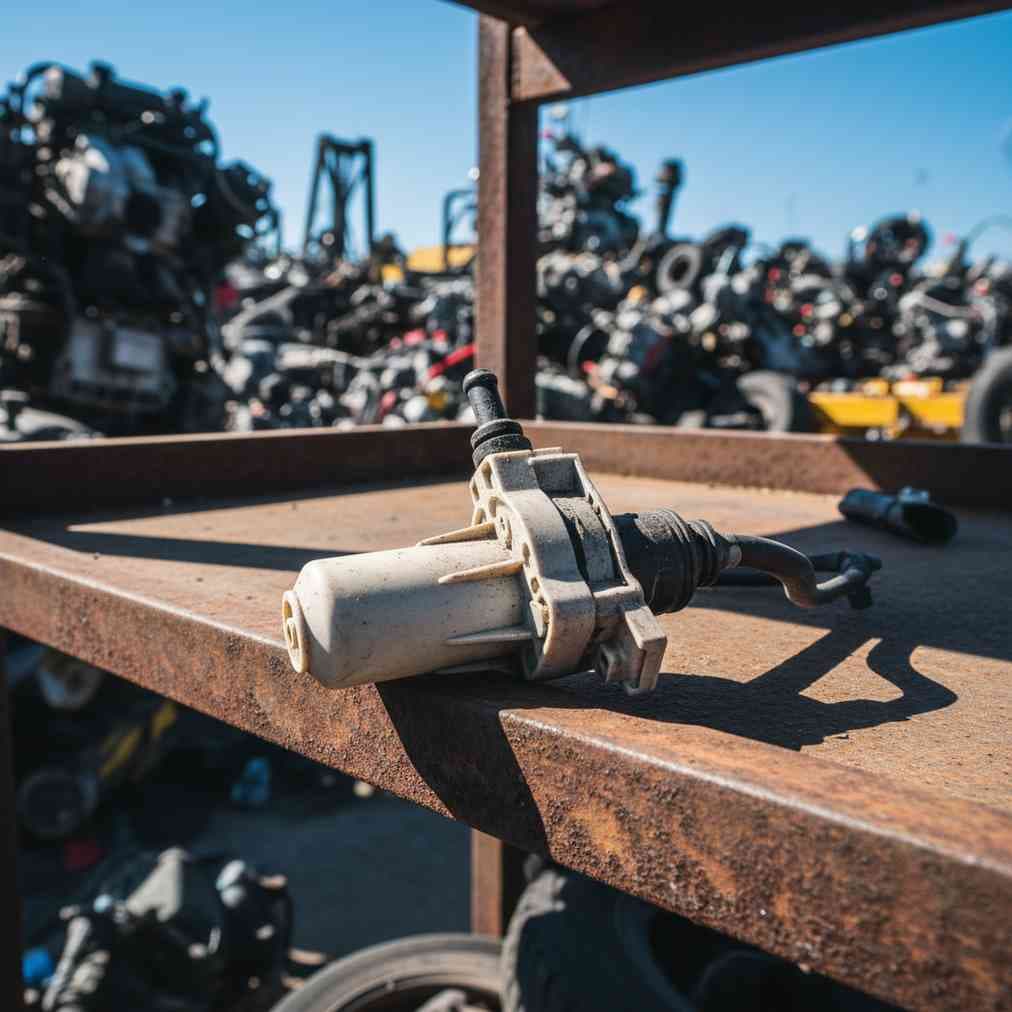
Purchasing a used windshield washer pump from a junkyard represents one of the most cost-effective solutions for restoring your vehicle's windshield cleaning system. This essential component ensures optimal visibility while driving, making it crucial for both safety and legal compliance. Understanding how to evaluate, test, and replace these pumps can save you significant money while [...]
Article image
Purchasing a used windshield washer pump from a junkyard represents one of the most cost-effective solutions for restoring your vehicle's windshield cleaning system. This essential component ensures optimal visibility while driving, making it crucial for both safety and legal compliance. Understanding how to evaluate, test, and replace these pumps can save you significant money while maintaining your vehicle's functionality.
Understanding Windshield Washer Pumps and Their Function
A windshield washer pump is a small electric motor designed to draw washer fluid from the reservoir and spray it onto your windshield through strategically placed nozzles. This system plays a vital role in maintaining clear visibility, especially during adverse weather conditions or when encountering road debris and insects.
The pump typically mounts directly on or near the washer fluid reservoir, which is commonly located near the front bumper or within the wheel well area. The system operates through your vehicle's electrical system and activates when you engage the windshield washer switch on your steering column or dashboard.
Modern vehicles often feature multiple pumps for different applications, including separate systems for headlight washers and rear window cleaning. Understanding these variations becomes crucial when sourcing replacement parts from salvage yards.
Common Windshield Washer Pump Failures and Warning Signs
Recognizing the symptoms of pump failure helps determine whether you need a replacement and guides your junkyard shopping strategy. Several factors contribute to pump failures, ranging from electrical issues to mechanical wear.
Primary Failure Modes
Electrical Motor Failure: The most common issue involves the electric motor burning out or losing power due to wiring problems
Seal Deterioration: Rubber seals fail over time, causing fluid leaks and pressure loss
Mechanical Blockages: Debris, dirt, or frozen washer fluid can clog the pump or connecting hoses
Body Control Module (BCM) Issues: Modern vehicles may experience computer-related failures affecting pump operation
Fuse Problems: Blown fuses can prevent electrical power from reaching the pump
Diagnostic Symptoms
Symptom
Likely Cause
Repair Priority
No fluid spraying, no sound
Pump motor failure or electrical issue
High
Pump runs but no fluid output
Clogged lines, empty reservoir, or blockage
Medium
Irregular spray pattern
Partially blocked nozzles or weak pump
Low
Visible fluid leaks
Failed seals or cracked reservoir
Medium
“The washer pump is the part that pushes the fluid through the hoses and nozzles and onto the windshield. If there's no audible sound when activating the washer, the pump electric motor may be faulty, which is very common.”
Testing Used Windshield Washer Pumps Before Purchase
Proper testing of used pumps before purchase saves time, money, and frustration. Most reputable junkyards allow customers to test components, and some even provide testing equipment on-site. The GMSquareBody forum provides excellent insights into pump testing and troubleshooting techniques.
Essential Testing Methods
Visual Inspection: Check for physical damage, cracks, corrosion, or broken electrical connectors
Electrical Continuity Test: Use a multimeter to verify electrical continuity through the pump motor
12-Volt Power Test: Connect the pump directly to a 12-volt power source using jumper wires
Seal Integrity Check: Inspect rubber gaskets and mounting points for deterioration
Mechanical Function Test: Listen for smooth motor operation without grinding or irregular sounds
When testing with a 12-volt source, you should hear a consistent humming sound and feel air movement from the outlet port. If connected to a fluid source, the pump should produce steady flow without sputtering or irregular pressure variations.
Step-by-Step Guide to Buying Used Windshield Washer Pumps
Successfully purchasing used auto parts from junkyards requires preparation, knowledge, and the right tools. This systematic approach ensures you get functional components compatible with your vehicle.
Pre-Visit Preparation
Research Your Vehicle: Identify the exact make, model, year, and engine type of your vehicle
Find Part Numbers: Locate the original pump's part number for precise matching
Check Compatibility: Verify which other vehicle models share compatible pumps
Gather Tools: Bring basic tools including screwdrivers, pliers, sockets, and a 12-volt battery tester
Review Tutorials: Watch vehicle-specific removal videos like those available on YouTube for your car model
Installing a replacement windshield washer pump typically ranks as a straightforward DIY project for mechanically inclined individuals. However, accessibility varies significantly between vehicle makes and models, with some requiring removal of bumper components or wheel well liners.
General Installation Process
Safety Preparation: Engage parking brake, use wheel chocks, and wear safety glasses
Access the Pump: Remove necessary panels, splash guards, or wheel components
Disconnect Old Pump: Carefully disconnect electrical connectors and hose attachments
Remove Mounting Hardware: Use appropriate sockets (commonly 7/32″ or metric equivalent)
Install New Pump: Reverse the removal process, ensuring proper seal alignment
Test System: Verify proper operation before reassembling access panels
Some vehicles present unique challenges during pump replacement. The Hyundai forums highlight specific access issues for certain models, emphasizing the importance of researching your particular vehicle before starting the project.
Limited Access: Some pumps require significant disassembly for access
Electrical Integration: Modern vehicles may have complex wiring harnesses
Seal Replacement: Old seals often require replacement to prevent leaks
System Priming: New installations may need priming to remove air bubbles
Cost Analysis: New vs. Used Windshield Washer Pumps
Understanding the cost benefits of used pumps helps justify the junkyard approach while highlighting potential savings. The price differential between new and used components makes salvage yard shopping attractive for budget-conscious vehicle owners.
Component Source
Price Range
Warranty
Availability
New OEM Parts
$40-$120
1-2 years
Dealer special order
New Aftermarket
$15-$40
90 days-1 year
Auto parts stores
Used Junkyard
$10-$25
30-90 days
Immediate (when available)
Tank and Pump Combo
$20-$35
30-90 days
Common at salvage yards
The significant cost savings make used pumps attractive, especially when considering that many OEM components from junkyards often outlast aftermarket replacements due to superior original manufacturing quality.
Finding the Right Junkyard and Inventory
Locating quality salvage yards with extensive inventories increases your chances of finding compatible pumps. Many major chains maintain online inventories and offer part location services to help customers find specific components.
Consider visiting local U-Pull-It locations that specialize in self-service parts removal. These facilities often offer the best prices and allow thorough testing before purchase. Popular chain locations include:
Successful junkyard visits require strategy and preparation. Following optimal timing guidelines and understanding essential tool requirements significantly improves your chances of finding quality components.
Visit During Off-Peak Hours: Weekday mornings typically offer better selection and less crowded conditions
Check Multiple Vehicle Models: Many manufacturers use identical or compatible pumps across different models
Inspect Entire Washer Systems: Consider purchasing complete reservoir and pump assemblies for maximum compatibility
Build Relationships: Establishing rapport with junkyard staff can lead to better deals and advance notifications of new inventory
Vehicle-Specific Considerations and Popular Models
Certain vehicle models offer excellent sources for compatible pumps due to manufacturer standardization or high availability in salvage yards. Understanding these patterns helps focus your search efforts on the most promising candidates.
High-Availability Vehicle Sources
Popular models frequently found in junkyards include Honda Civic components, Honda Accord systems, and Nissan Altima parts. These vehicles represent some of the most common cars in American junkyards, ensuring steady availability of replacement components.
Honda Models: Civic, Accord, CR-V, and Pilot often share similar pump designs
Toyota Vehicles: Camry, Corolla, and RAV4 components offer excellent compatibility
Nissan Lines: Altima, Sentra, and Maxima frequently use interchangeable pumps
Ford Products: Focus, Fusion, and F-150 systems provide good availability
Chevrolet Models: Malibu, Impala, and Silverado parts offer multiple sourcing options
Quality Assessment and Long-Term Reliability
Evaluating the long-term reliability of used windshield washer pumps involves understanding manufacturer quality differences and typical failure patterns. This knowledge helps identify the most durable components for your investment.
“Regular wear and tear can also eventually lead to an inoperative windshield washer pump. We pulled a washer pump out of the junkyard and replaced it in our truck last week. It was easy to test and swap, and the pump design is simple with a connecting rod moved by the wiper motor.”
Reliability Indicators
Quality Factor
Good Indicators
Warning Signs
Motor Operation
Smooth, quiet running
Grinding, irregular noise
Electrical Connections
Clean, tight contacts
Corrosion, loose pins
Housing Condition
Minimal wear, intact seals
Cracks, heavy corrosion
Flow Performance
Consistent pressure output
Weak, intermittent flow
Maintenance Tips for Extended Pump Life
Proper maintenance significantly extends the operational life of both new and used windshield washer pumps. Understanding preventive maintenance practices helps protect your investment and ensures reliable system operation.
Use Quality Washer Fluid: Avoid using water or household cleaners that can damage pump seals
Maintain Proper Fluid Levels: Never run the pump dry, as this causes premature motor wear
Regular System Cleaning: Periodically flush the system to remove debris and buildup
Winter Preparations: Use appropriate cold-weather fluid to prevent freezing damage
Address Issues Promptly: Fix clogs or electrical problems before they damage the pump
Regular maintenance prevents many common failures and ensures your used auto parts investment provides maximum value and reliability.
Environmental Benefits of Choosing Used Components
Purchasing recycled auto parts contributes to environmental sustainability while providing economic benefits. The automotive recycling industry plays a crucial role in reducing waste and conserving natural resources through component reuse.
Choosing used windshield washer pumps supports professional auto recyclers who process millions of vehicles annually, preventing valuable materials from entering landfills. This environmental stewardship aligns with growing consumer awareness of sustainability issues in automotive maintenance.
Material Conservation: Reusing functional components reduces demand for new manufacturing
Energy Savings: Recycled parts require significantly less energy than producing new components
Waste Reduction: Extends the useful life of automotive components beyond original vehicles
Resource Efficiency: Maximizes the value extracted from original manufacturing investments
Professional Installation vs. DIY Considerations
Deciding between professional installation and DIY replacement depends on your mechanical skills, available tools, and vehicle accessibility. While most windshield washer pump replacements qualify as straightforward repairs, certain situations warrant professional assistance.
When to Consider Professional Help
Complex Access Requirements: Vehicles requiring extensive disassembly for pump access
Electrical Integration Issues: Modern vehicles with sophisticated computer systems
Multiple System Failures: Problems involving reservoir, lines, and nozzles simultaneously
Warranty Concerns: Situations where professional installation maintains vehicle warranties
Tool Limitations: Lack of proper tools for safe and effective completion
Many quality repair shops accept customer-supplied parts, allowing you to combine junkyard savings with professional installation expertise.
Conclusion and Best Practices Summary
Successfully purchasing and installing used windshield washer pumps from junkyards offers significant cost savings while maintaining vehicle safety and functionality. This approach requires careful evaluation, proper testing, and attention to compatibility details, but rewards prepared buyers with reliable components at fraction of new part costs.
The key to success lies in thorough preparation, systematic testing, and choosing reputable salvage yards with fair return policies. By following the guidelines outlined in this comprehensive guide, you can confidently navigate the junkyard environment and secure quality replacement components for your vehicle's windshield washing system.
Remember that buying used parts represents both an economic and environmental choice that benefits your budget while supporting sustainable automotive practices. With proper evaluation and installation, a used windshield washer pump can provide years of reliable service at a fraction of new component costs.