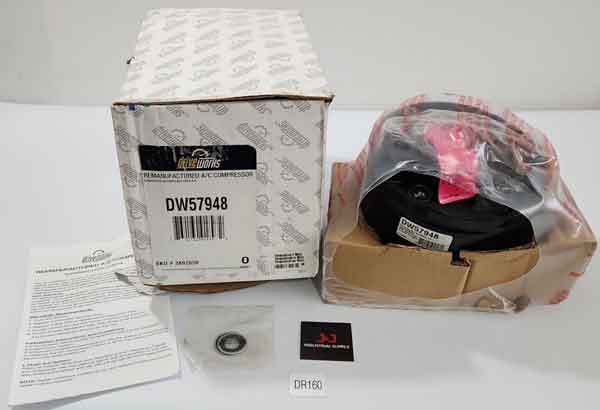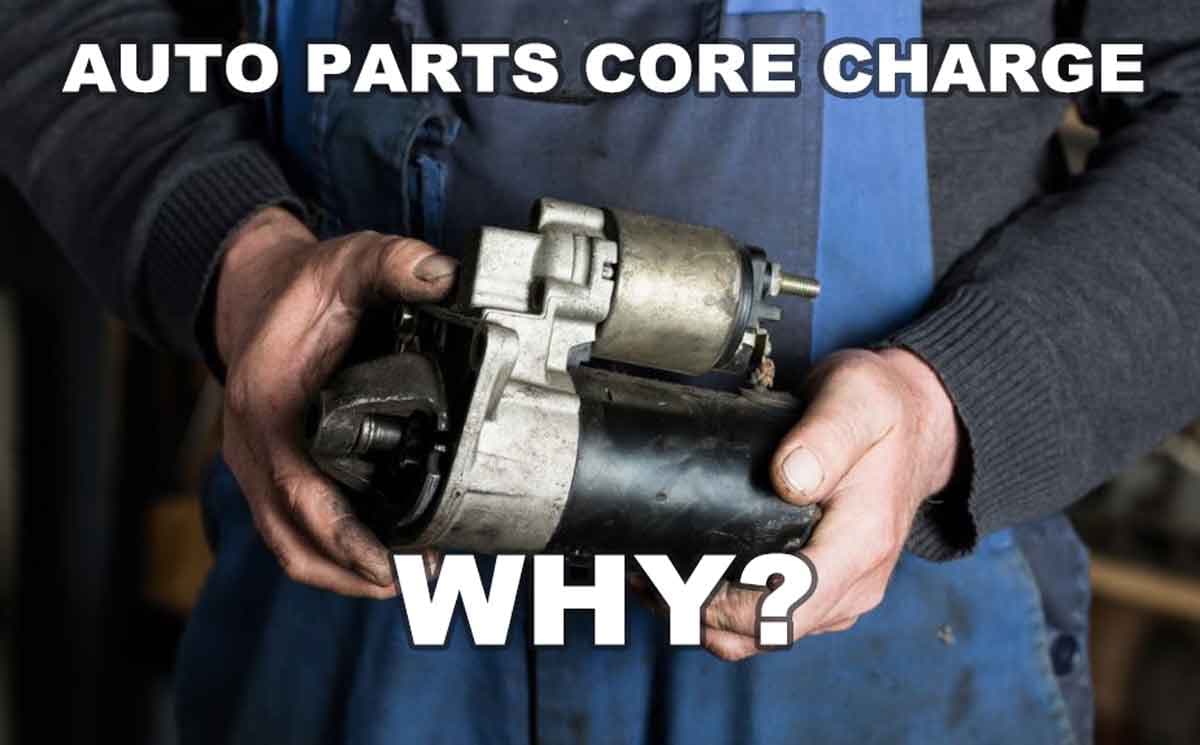
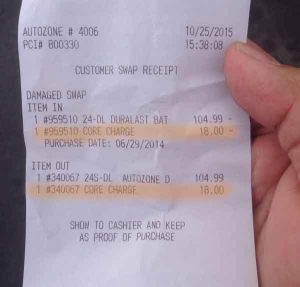
An auto part core refers to the old or used part that is being replaced with a new or rebuilt one. When purchasing a new auto part, a core charge is often added as a deposit to ensure that the old part is returned rather than thrown away. The core charge is a way to promote recycling and can be compared to a bottle deposit. When the old part is returned, the core charge is refunded to the customer.
Core charge refund
An auto part core is a charge associated with auto parts that are refundable upon the return of the old, damaged auto part. This core charge helps defray the cost of manufacturing new auto parts. If a customer purchases a new auto part from a retailer or auto shop, they will see a core charge added to their bill. This core charge deposit reflects the difference between the cost of purchasing new auto parts versus recycling and rebuilding old auto parts. Once an auto shop or retailer receives the old auto part, they can refund the core charge to the customer. It is important for consumers to understand core charges before making any auto part purchases in order to avoid unexpected costs or fees.
Why do you get charged for a core?
A core charge is applied to many automotive repairs and helps to ensure that those completing the repair have access to the finest quality components available. A core price, also known as an actual core charge or core charge deposit, occurs when a customer purchasing a new part is charged for returning their old core part. By setting this core price, businesses are able to recapture a portion of their original investment, as cores can then be remanufactured using a variety of original quality components and supplies. These core charges help business owners overcome the cost of acquiring and refurbishing old parts while also passing on some savings to customers.
Not all parts have a core charge; you will see most often on parts such as starters, alternators, or other components that need to be rebuilt or refurbished. When researching a new part, you may find the core deposit charge listed as $0.00, which means no fee is required for returning your old core, and you can keep it.
How to avoid being charged for a core deposit?
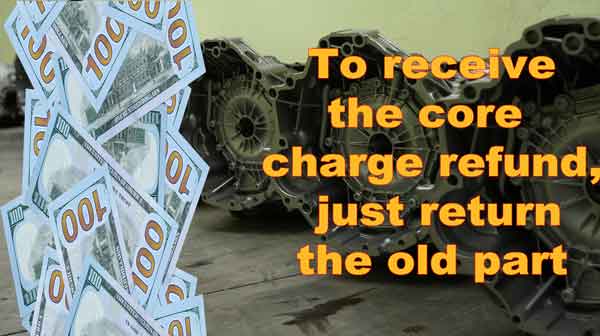
When buying automotive parts, if the parts have a core, be aware of core charge deposits. This charge is meant to promote the recycling of parts by returning used cores to the manufacturer so they can be reused. To avoid being charged for core deposits, make sure you always return the core intact and complete it within the timeframe specified in order to receive your core refund. When returning a core part or getting rid of it, take into consideration local environmentally friendly disposal laws to ensure you are compliant with regulations.
What to do with your old cores?
When it comes to getting rid of your old car parts, the most important thing to consider is the environmental impact. While some states may provide you with an incentive to recycle your old core parts, genuine OEM parts can often be recycled more efficiently. By visiting your local auto part shop and seeking genuine OEM parts, you can find a more efficient way to reuse or repurpose your core parts. Even if there are no incentives provided by your state for recycling these parts, they encourage customers to recycle their old parts; remember that OEM parts will likely have a lower level of pollution than using generic or recycled ones.