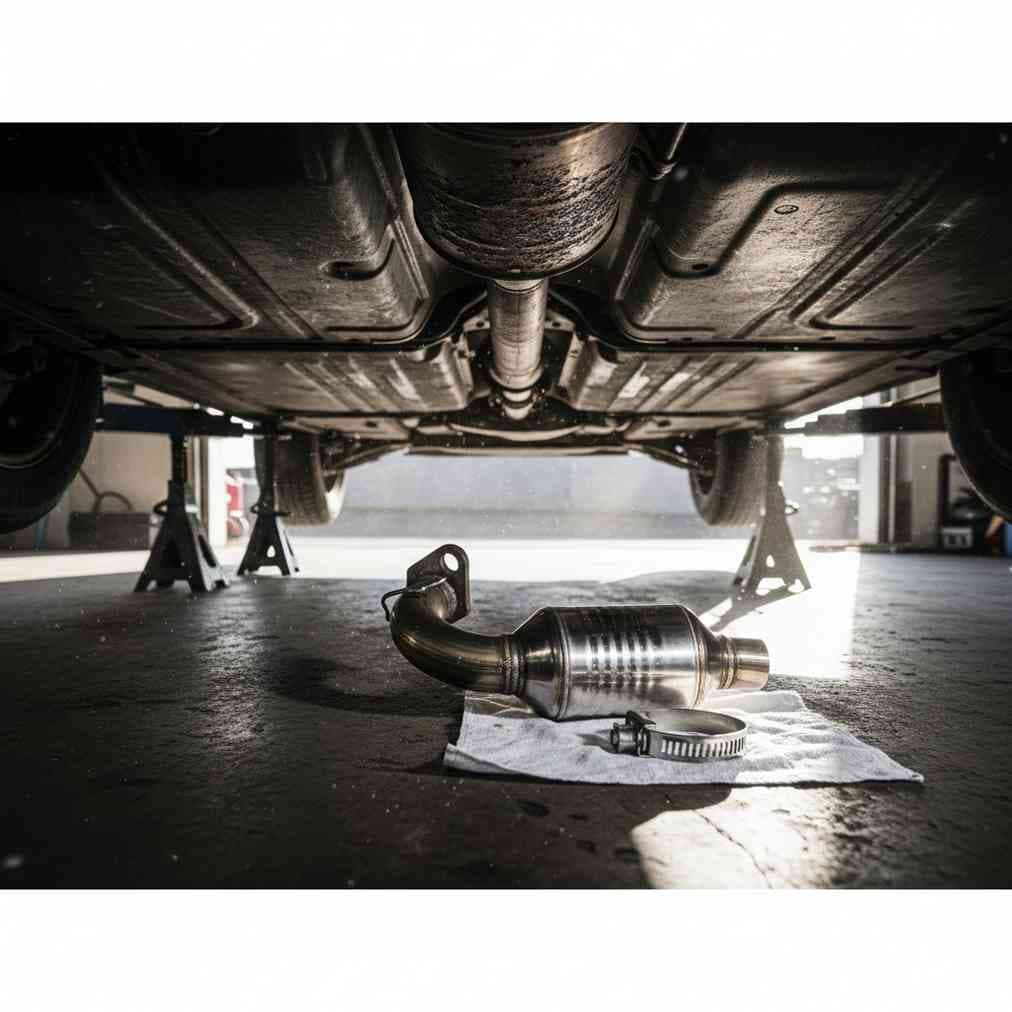
What's That Rattle? How to Diagnose and Pull a Replacement Muffler
Understanding the Source of That Annoying Rattle When your car starts making mysterious rattling noises from the exhaust system, it's time to investigate before the problem worsens. That telltale rattle often signals that your muffler or exhaust pipes need attention, but determining whether it's a simple fix or requires replacement is crucial for both your [...]
Article image
Understanding the Source of That Annoying Rattle
When your car starts making mysterious rattling noises from the exhaust system, it's time to investigate before the problem worsens. That telltale rattle often signals that your muffler or exhaust pipes need attention, but determining whether it's a simple fix or requires replacement is crucial for both your wallet and your vehicle's performance.
Diagnosing External vs Internal Rattles
The first step in diagnosing exhaust rattles involves distinguishing between external and internal issues. External rattles typically stem from loose heat shields or deteriorated muffler hangers, while internal rattles indicate more serious problems with the muffler's internal structure.
External Rattle Sources
Heat shields – Metal covers that protect surrounding parts from exhaust heat
Muffler hangers – Rubberized supports prone to corrosion and wear
Pipe hangers – Support brackets that can loosen over time
Loose clamps – Connection points that may need tightening
The Internal Baffle Test
To check for internal muffler damage, perform this simple diagnostic test when the exhaust system is completely cold:
Gently tap the muffler with a rubber mallet or the back of your fist
Listen carefully for distinct rattling sounds from inside
Test different areas of the muffler housing
Compare sounds between suspect and known good sections
“If tapping the muffler with a mallet reveals rattling on the inside, odds are there's quite a bit of rust that's accumulated and eaten up the inside. That would warrant replacement of the muffler itself.”
Understanding Double-Walled Exhaust Parts
Many modern exhaust systems feature double-walled construction for better heat insulation and noise reduction. When the inner pipe breaks loose from the outer shell, it creates a distinctive rattle that requires localized inspection to pinpoint the exact location.
Rattle Type
Typical Cause
Repair Difficulty
External
Loose heat shields/hangers
Easy – temporary fixes available
Internal Baffle
Rust accumulation/corrosion
Hard – replacement recommended
Double-wall separation
Inner pipe displacement
Medium – depends on accessibility
Comprehensive Visual Inspection Checklist
Whether you're examining your current exhaust system or evaluating a potential replacement from a salvage yard near me, a thorough visual inspection is essential for making informed decisions.
Surface Damage Assessment
Dents and physical damage – Check for impact damage that could affect airflow
Cracks in the housing – Look for stress fractures, especially near weld points
Holes of any size – Even small holes cause exhaust leaks and performance issues
Mounting bracket integrity – Ensure attachment points are solid and rust-free
The Critical Rust Evaluation
Surface rust may appear concerning but often poses minimal threat. However, deep or widespread rust compromises structural integrity and indicates potential failure points.
Perform the integrity test by gently prodding rusty areas with a screwdriver. If the metal feels weak, splits easily, or flakes away, the part should be rejected regardless of price.
Modern Exhaust Materials and Corrosion Resistance
Today's exhaust systems often utilize 13% chrome stainless steel construction, offering superior corrosion resistance compared to traditional materials. However, even stainless steel succumbs to road salt and environmental factors over time, particularly in harsh climates.
Modern catalytic converters produce water and CO₂ as byproducts during the emission control process. This moisture can become trapped in the exhaust system, contributing to internal corrosion from the catalytic converter back through the entire system.
Identifying Connection Point Failures
Critical inspection areas include all welds and pipe connections where different sections join together. Look for these warning signs:
Black soot deposits around joints indicating exhaust leaks
Cracked welds that compromise structural integrity
Corroded clamp areas where water and debris accumulate
Loose or missing bolts at flange connections
Performance Impact of Exhaust System Damage
A damaged muffler affects more than just noise levels. Key performance indicators include:
Symptom
Cause
Impact Level
Louder exhaust noise
Holes or damaged baffles
Moderate
Reduced fuel efficiency
Back-pressure changes
Significant
Loss of engine power
Restricted exhaust flow
Major
Cabin exhaust smell
System leaks
Critical Safety Issue
Temporary Fixes vs Permanent Solutions
While muffler tape or epoxy can temporarily seal small holes, these solutions are stopgap measures at best. For significant damage, replacement remains the most reliable long-term solution.
External rattles from loose heat shields can often be addressed with hose clamps or steel zip ties as inexpensive temporary fixes. However, internal baffle failure requires complete muffler replacement.
Finding Quality Replacement Parts at Salvage Yards
When searching for replacement exhaust parts, salvage yards offer significant savings over new parts. Focus your inspection on these key areas:
Matching your vehicle's specifications – Ensure compatibility with your exact make, model, and year
Checking internal condition – Perform the tap test on any prospective replacement
Evaluating rust patterns – Brown surface rust may be acceptable, but multiple rust colors indicate advanced corrosion
Testing mounting points – Verify that all attachment brackets and hangers are intact
Safe Removal Techniques
When removing exhaust parts from donor vehicles, safety should be your primary concern. Essential tools include:
Safety glasses and gloves – Protection from rust flakes and sharp edges
Penetrating oil – For loosening corroded connections
Proper cutting tools – When bolts cannot be removed
Jack and stands – Never work under a vehicle supported only by a floor jack
Installation Considerations
Installing a replacement muffler involves more than simply bolting on the new part. Consider these factors:
Gasket replacement – Always use new gaskets at connection points
Proper alignment – Ensure the exhaust system doesn't contact the undercarriage
Torque specifications – Follow manufacturer guidelines for clamp tightness
System testing – Check for leaks after installation
When to Consider Professional Help
While many exhaust repairs are within the scope of DIY mechanics, certain situations warrant professional attention:
Catalytic converter issues – Requires specialized knowledge and equipment
Complex routing problems – When exhaust pipes interfere with other systems
Welding requirements – Custom fabrication or permanent repairs
Safety concerns – If you're uncomfortable working under the vehicle
Environmental and Economic Benefits
Choosing salvaged exhaust parts over new ones provides both environmental benefits and significant cost savings. By extending the life of existing parts through reuse, you're contributing to reduced manufacturing demand while keeping functional parts out of landfills.
If your current vehicle has reached the end of its useful life and you're considering cash for junk cars, remember that even damaged vehicles contain valuable parts that can benefit other car owners through the salvage system.
Making the Final Decision
The decision between repair and replacement ultimately depends on the severity of the damage and the overall condition of your exhaust system. Internal baffle failure, significant rust damage, or multiple system leaks typically justify complete replacement, while external rattles may respond well to targeted repairs.
Remember that a properly functioning exhaust system is crucial for vehicle performance, fuel efficiency, and passenger safety. When in doubt, prioritize safety and choose the repair option that provides the most reliable long-term solution for your specific situation.
By following these diagnostic steps and inspection guidelines, you'll be well-equipped to identify exhaust problems early and make informed decisions about repairs or replacements using quality salvaged parts.