When to Walk Away: Critical Red Flags for Major Vehicle Parts
Purchasing a used vehicle can be a smart financial decision, but it can also become a costly nightmare if you overlook critical warning signs. When inspecting potential purchases, knowing when to walk away from vehicles with major mechanical issues can save you thousands of dollars in repairs. The three most expensive systems to repair or replace are the engine, transmission, and differential – and identifying red flags in these areas is crucial for making informed buying decisions.
This comprehensive guide will help you spot the warning signs that indicate serious problems with these major vehicle parts, potentially saving you from inheriting someone else's mechanical disasters.
Engine Red Flags: Signs of Catastrophic Internal Damage
The engine is the heart of any vehicle, and its condition can often be determined through careful inspection of fluids, sounds, and visible signs of distress. Here are the critical red flags that should make you immediately walk away from any potential purchase:
| Red Flag Symptom | What to Inspect | Why Walk Away |
|---|---|---|
| Milky or Foamy Oil | Pull the engine oil dipstick and check oil color and consistency | Head gasket failure or coolant contamination – indicates breach between cooling and oil passages, requiring catastrophic repair |
| Heavy Oil Sludge | Check underside of oil filler cap and dipstick for thick, tar-like deposits | Severe lack of maintenance leading to excessive wear on bearings and rings – engine likely near failure |
| Excessive Exhaust Smoke | Observe exhaust pipe during startup and while running | Blue smoke indicates burning oil, white smoke suggests coolant burning, both signal major internal damage |
| Unusual Engine Noise | Listen during startup, idling, and acceleration | Knocking, ticking, or grinding noises indicate worn bearings, connecting rods, or valve train damage |
| Signs of Overheating | Look for dried coolant residue, warped plastic parts, recent suspicious repairs | Repeated overheating can warp engine block or cylinder head, leading to compression loss |
Professional mechanics often recommend having these issues diagnosed at specialized facilities, but for used car buyers, these symptoms are clear indicators to continue your search elsewhere. If you're dealing with a vehicle showing these symptoms, it might be better suited for cash for cars services rather than repair attempts.
Transmission Red Flags: Critical Shifting and Fluid Issues
Transmission problems are often the most expensive repairs after engine issues, and sellers frequently attempt to mask these problems with fresh fluid changes. A thorough test drive combined with fluid inspection is essential for identifying these critical warning signs:
| Red Flag Symptom | What to Look For | Why This Means Walk Away |
|---|---|---|
| Burnt Transmission Fluid | Check fluid color (should be red/pink) and smell for burnt odor | Dark brown/black burnt fluid indicates overheating and internal wear of clutch packs and bands |
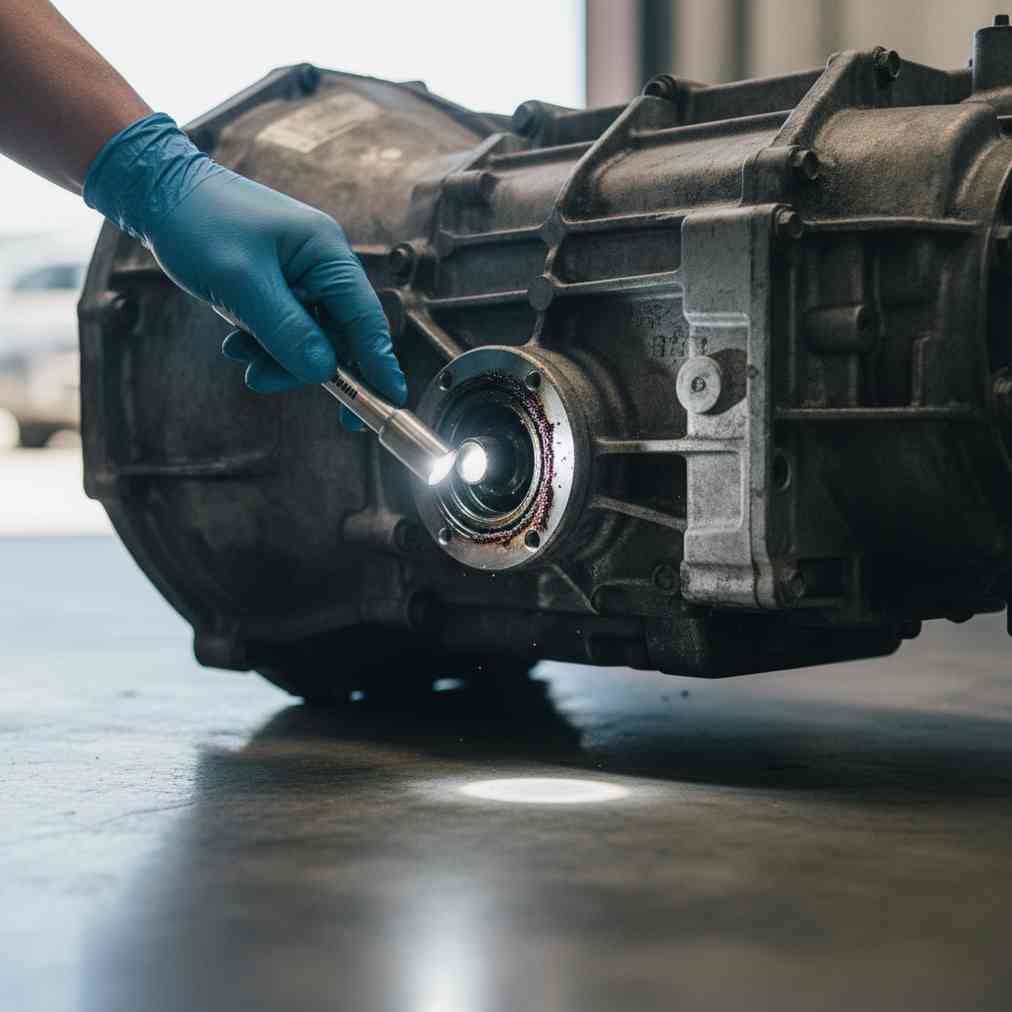
| Metal Shavings in Fluid | Look for glitter-like particles or chunks in transmission fluid | Metal particles mean gears, bearings, or clutches are actively breaking apart – requires complete rebuild |
| Slipping or Jerking | Note hesitation, jerking, or RPM spikes without speed increase during test drive | Indicates worn clutch packs, low fluid, or solenoid issues – transmission cannot hold gear properly |
| Delayed Engagement | Time the delay when shifting from Park to Drive or Reverse | Significant delay points to low fluid or problems with torque converter or valve body |
| Suspicious Fresh Fluid | Ask about recent fluid changes, especially just before selling | May be masking burnt fluid or internal issues – sudden flushes can dislodge sludge and cause failure |
When evaluating transmission health, remember that even small leaks can lead to complete system failure. The complexity of modern transmission systems makes DIY repairs nearly impossible, and professional rebuilds often cost more than the vehicle's value.
Differential Red Flags: Noise, Vibration, and Critical Failures
The differential allows wheels to turn at different speeds during cornering and distributes power effectively. While often overlooked, differential failure can be both expensive and dangerous. Here are the warning signs that should immediately end your interest in any vehicle:
| Red Flag Symptom | How to Identify | What This Indicates |
|---|---|---|
| Whining or Howling Noise | Listen for noises that change pitch with vehicle speed during acceleration/deceleration | Worn gears, bearings, or low fluid – most common sign of differential failure |
| Clunking or Clicking | Notice clunking when starting from stop, shifting gears, or turning | Worn spider/side gears or loose parts indicating excessive play in gear set |
| Vibration Under Load | Feel for vibrations during acceleration or uphill driving | Damaged U-joints, gear misalignment, or failing differential components |
| Poor Handling | Car pulls hard to one side or feels loose when cornering | Internal damage affecting torque distribution – major safety concern |
| Burning Smell | Pungent smell from rear axle area, especially after heavy use | Overheated differential oil indicating severe friction and potential seized gears |
Differential problems often manifest as safety issues, making the vehicle dangerous to operate. Unlike some mechanical problems that develop gradually, differential failure can occur suddenly and leave you stranded or cause loss of vehicle control.