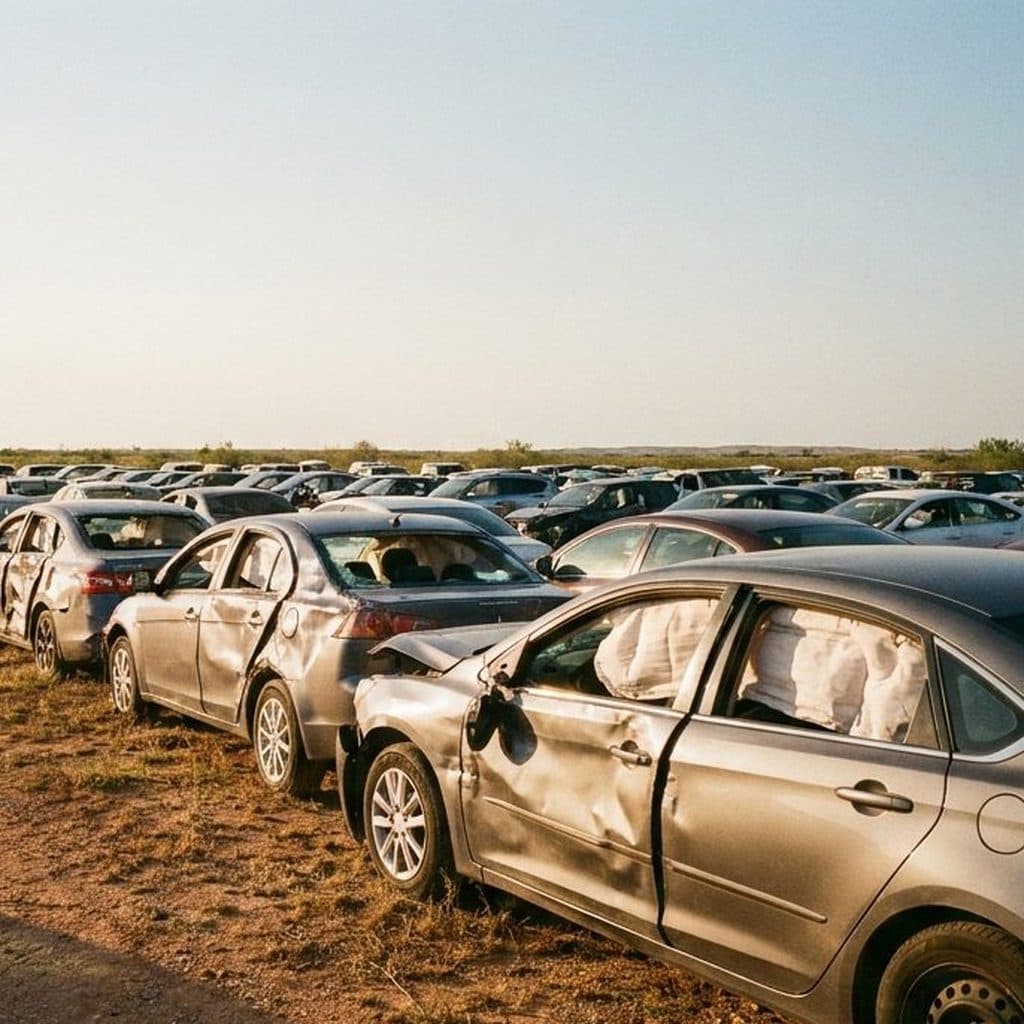
Short answer: More cars are being totaled because repairs cost more while the cars on the road keep getting older and worth less. CCC Intelligent Solutions reported in March 2026 that 23.1% of claims in 2025 were total losses, a record, and Copart put the figure at 23.6% for the first quarter of 2026. If your car is totaled, you can take the insurer's payment, push back on the valuation with evidence, or keep the car with a salvage title for a smaller check.
Last checked: October 5, 2026. Total loss figures are from CCC Intelligent Solutions' Crash Course 2026 release and FenderBender's report on it, and from Copart's May 2026 earnings call as reported by Nasdaq. State rules are from the Maryland Insurance Administration, the Texas Department of Insurance and the Florida Statutes. The Copart and ACV deal is from ACV's SEC filings.
How many cars are being totaled?
| Measure | Figure | Source |
|---|---|---|
| Share of claims that were total losses, 2025 | 23.1%, a record | CCC Crash Course 2026, March 31, 2026 |
| Total loss frequency, first quarter of 2026 | 23.6% | Copart earnings call, May 2026 |
| Average total cost of a repair, 2025 (preliminary) | $4,818, up 1.7% from 2024 | CCC, as reported by FenderBender, April 6, 2026 |
| Average price per part | Up 6% | CCC, as reported by FenderBender |
| Average age of a light vehicle, 2025 | 12.8 years | CCC, as reported by FenderBender |
CCC's summary: older vehicles, rising repair costs and claim behavior are changing the math of repair against replacement. People with higher deductibles skip small claims, so the claims that get filed tend to be expensive ones. Copart, on its call, credited rising repair costs and strong salvage auction returns, which make totaling a car more attractive to insurers.
Why does a car get totaled?
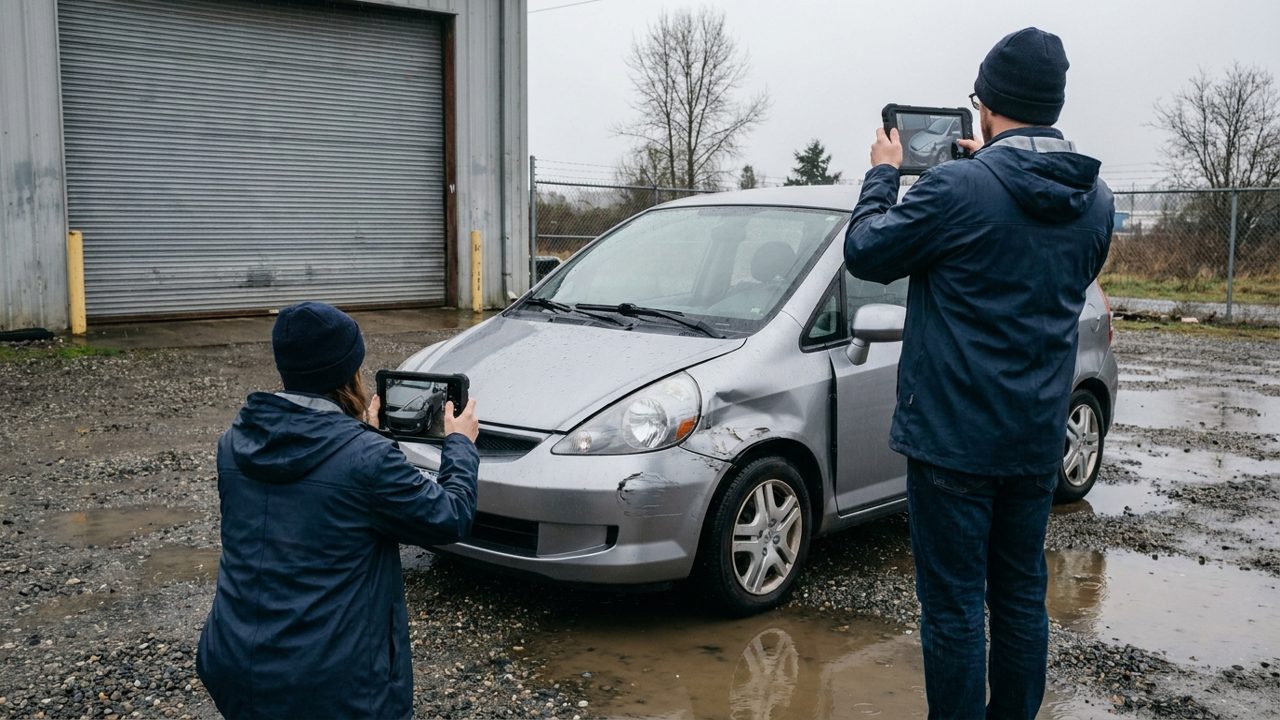
The insurer compares the repair estimate with the car's actual cash value, which is what it was worth just before the crash. When the repair gets close to the value, the insurer pays for the car instead of fixing it. States set the rules differently.
| State | Rule | Official source |
|---|---|---|
| Maryland | Total loss when the repair cost is 75% or more of the car's fair market value before the loss | Maryland Insurance Administration |
| Texas | The company might total the car when the repair cost is close to its current value | Texas Department of Insurance |
| Florida | An uninsured car is a total loss when repairs would cost 80% or more of replacing it with a like car. An insured car is a total loss when the insurer pays to replace it | Florida Statutes, section 319.30 |
Say a 12-year-old sedan is worth $6,000. The 2025 average repair of $4,818 is 80% of that, past Maryland's line.
What can you do when your car is totaled?
| Option | What happens | What to watch |
|---|---|---|
| Take the payment | The insurer pays the actual cash value minus your deductible, and you sign over the title | In Maryland the offer must include taxes and registration fees, and the insurer generally has 10 days to make it |
| Dispute the value | You show the car was worth more | Texas says a company might raise its offer if you show the car would sell for more. Your policy may also have an appraisal clause |
| Keep the car | The insurer subtracts the salvage value from your check and the car gets a salvage title | In Texas, a car issued a nonrepairable title cannot be retitled or registered |
| Keep it, then sell it | You sell the salvage car to a rebuilder, a junk car buyer or a yard | Get the payout and the sale price in writing before you decide |
To dispute the value, gather local listings for the same year, model, trim and mileage, plus receipts for recent work. Maryland lets you ask in writing for the insurer's valuation and the deductions it made, and the insurer must answer within seven business days. Other states have their own rules, so check with your state insurance department.
Keeping the car makes sense only if the repair costs less than you would lose on the payout and your state lets you drive it again. Read rebuilt and salvage titles and what it costs to rebuild a totaled car before you say yes. If you keep it and change your mind, selling a salvage title car covers the next step. Our longer piece on totaled cars covers the rest.
A one-minute explainer from the insurer Allstate on what it does after a total loss, published October 2023. It is the company's own video.
What happens to a totaled car after the insurer takes it?
The insurer takes the title and sells the car, often through an online salvage auction such as Copart. Florida's law shows the paperwork side: an insurer that pays a total loss must get the title, report the car to the National Motor Vehicle Title Information System and send the title to the state within 72 hours.
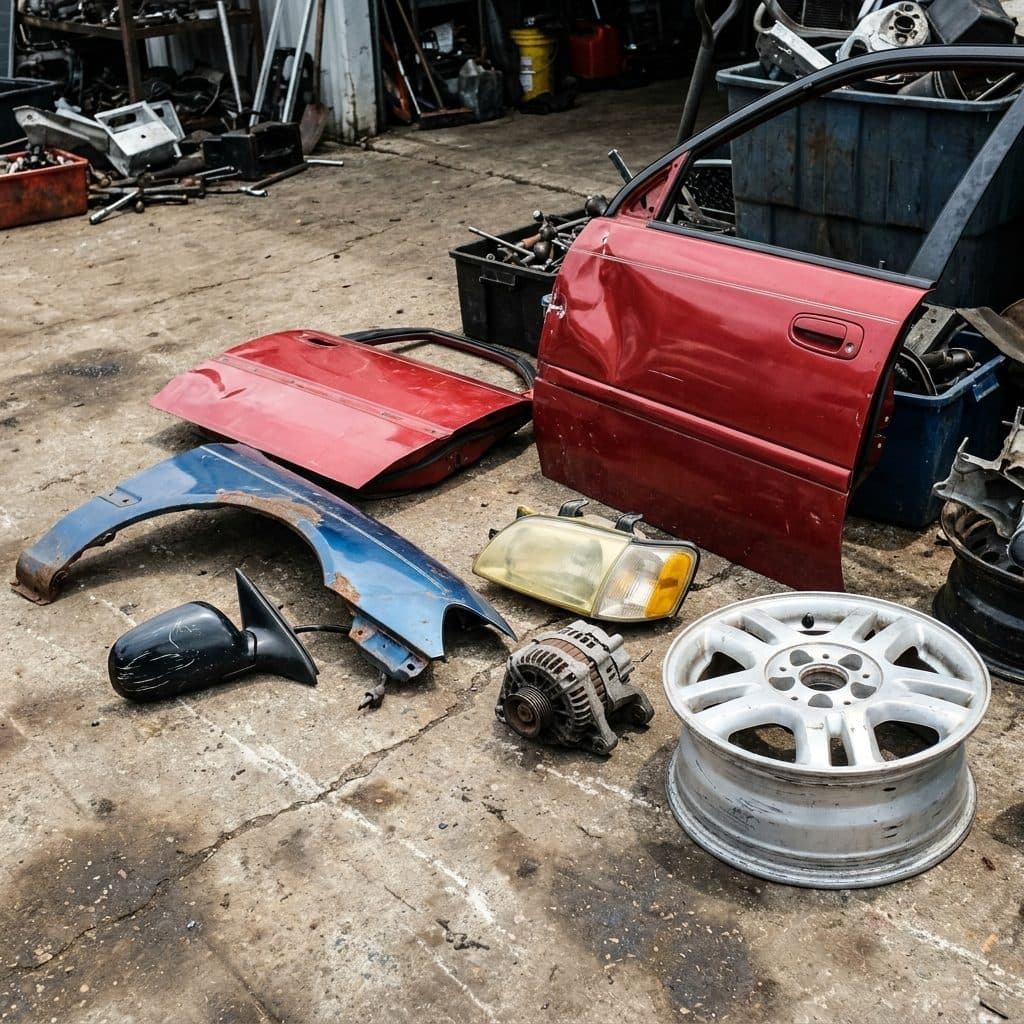
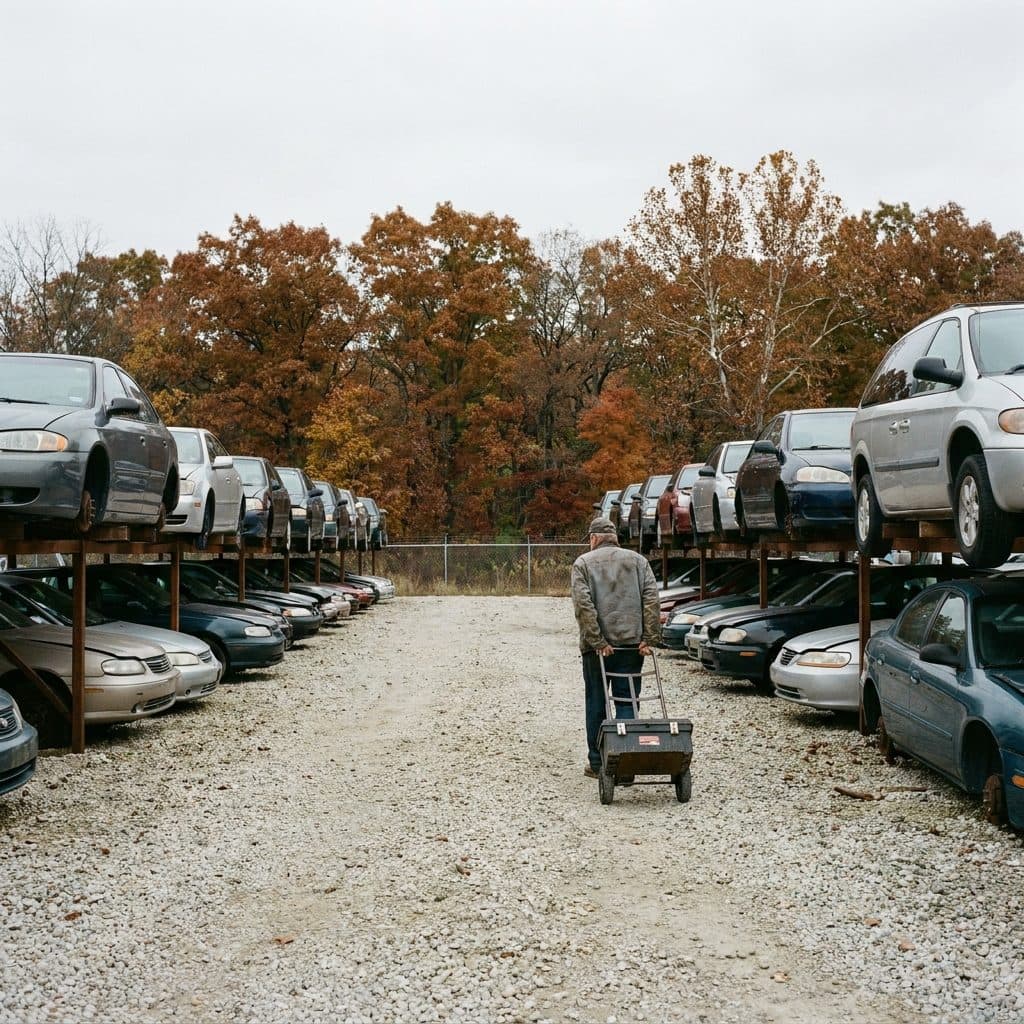
Buyers at those auctions include rebuilders, exporters and dismantlers. Self-service chains buy there too. Pick Your Part's website says it buys from insurance companies and auto auctions, and Pick-n-Pull says the same. So some of the cars in the rows at a U Pull It yard are insurance total losses.
The auction business is consolidating. On September 10, 2026, Copart agreed to buy ACV Auctions, a digital marketplace for car dealers, for $10.50 a share in cash, about $1.9 billion. ACV's September 29 filing said the antitrust waiting period was expected to end on October 13, 2026, and the companies expected to close by the end of 2026. For someone holding a totaled car today, the deal changes nothing yet.