How to Find 'Junkyards Near Me' That Actually Have Parts in Stock
Why Traditional Search Methods Often Fail to Find Parts Simply searching for "junkyards near me" or "salvage yard near me" rarely guarantees you'll find the specific part you need in stock. Most traditional searches return basic directory listings without real-time inventory information, leading to frustrating trips to multiple yards only to discover they don't have [...]
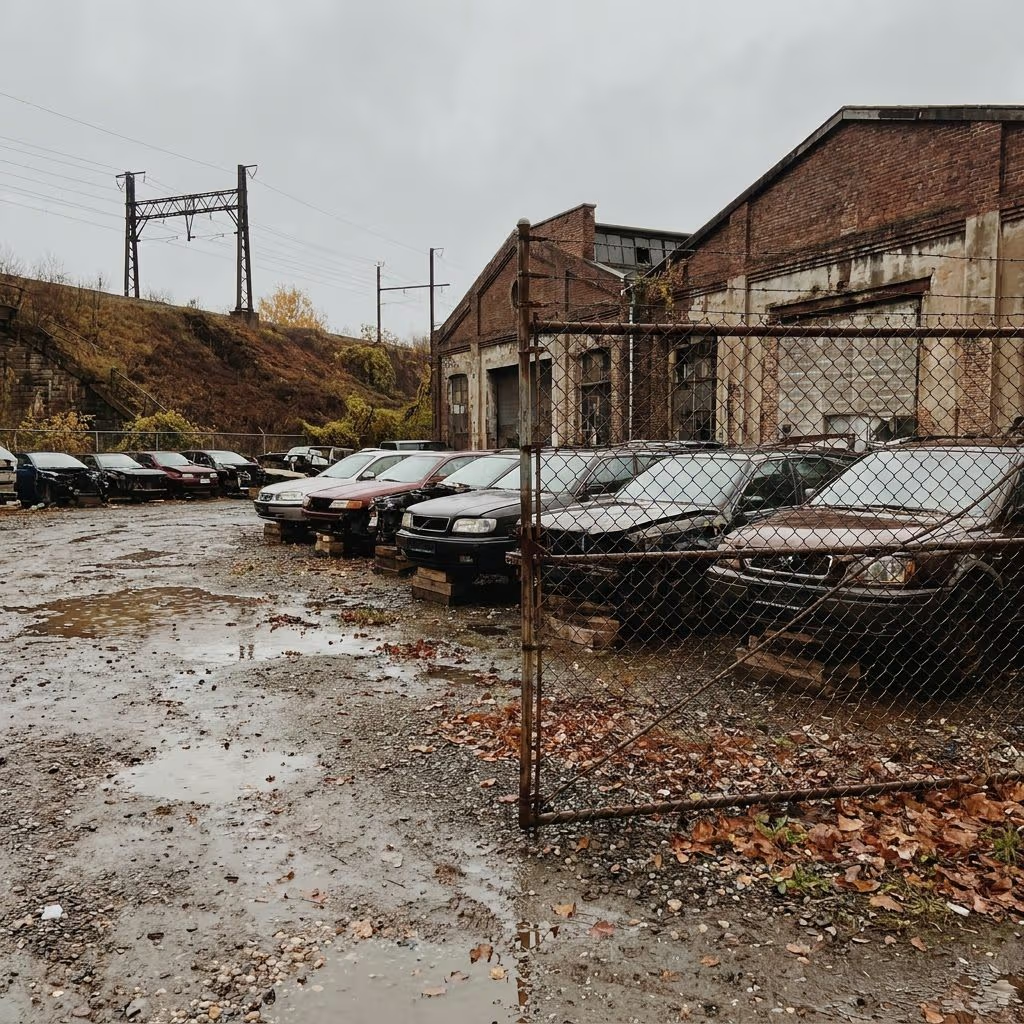
Photo by U-Pull-It
Why Traditional Search Methods Often Fail to Find Parts
Simply searching for “junkyards near me” or “salvage yard near me” rarely guarantees you'll find the specific part you need in stock. Most traditional searches return basic directory listings without real-time inventory information, leading to frustrating trips to multiple yards only to discover they don't have your part.
The modern salvage industry has evolved significantly, with leading yards now using digital inventory systems, barcode tracking, and real-time stock updates. Understanding these technological advances is crucial for efficiently locating the parts you need. To find comprehensive listings and verified junkyards near me, start with platforms that specialize in connecting buyers with reputable salvage operations.
Modern Junkyard Technology: Digital Inventory Systems
Today's most efficient salvage yards have abandoned handwritten logs and outdated spreadsheets in favor of sophisticated digital inventory management systems. These technological improvements can reduce search times and error rates by up to 80%, according to industry experts.
Real-Time Inventory Tracking:Advanced software solutions consolidate inventory data in real-time, providing unified views of available parts, their condition, and exact location within the yard
Barcode and RFID Integration: Modern yards use scanning technology for faster check-in/out processes and significantly reduced manual errors
VIN-Based Part Matching:VIN decoding systems ensure precise part compatibility by determining exact year, make, model, and trim (YMMT) specifications
Online Customer Portals: Leading yards offer web-based platforms where customers can search inventory remotely before visiting
“Implement software that consolidates inventory data in real-time, providing a unified view of all available parts, their condition, and location. This improves accuracy and reduces search times for specific components.”
Quality Control: How Top Yards Ensure Inventory Accuracy
The most reliable salvage yards implement rigorous quality control processes that go far beyond basic inventory tracking. Professional operations often use double-verification systems to ensure accuracy.
Quality Control Process
Benefit to Customers
Post-dismantling re-inventory
Parts are re-checked after removal for actual condition
“Inventory accuracy is also enhanced by the data entry person. At the time of entry into the computer, the data entry person enters the information, line by line, from the printed inventory sheet into the computer data banks. At each keystroke, the inventory is double-checked for accuracy by the clerk.”
Step-by-Step Guide to Finding Yards with Real Parts in Stock
Phase 1: Online Research and Verification
Use Targeted Search Terms: Instead of generic searches, use specific phrases like “used auto parts inventory online” or “local salvage yard parts lookup”
Prioritize Digital-Forward Yards: Focus on salvage operations that offer online inventory searches or real-time stock updates
Check for Professional Websites: Yards with modern, functional websites are more likely to have updated inventory systems
Benefits of Buying Used Auto Parts from Quality Yards
When you successfully locate a reputable salvage yard with accurate inventory, the benefits extend far beyond simple cost savings. Understanding why people buy used auto parts can help you make informed decisions about your vehicle repairs.
Benefit Category
Specific Advantages
Typical Savings
Cost Efficiency
50-70% less than new OEM parts
Up to 75% in some cases
Environmental Impact
Reduces manufacturing demand and landfill waste
Significant carbon footprint reduction
Availability
Parts for older/discontinued models readily available
Access to otherwise unavailable components
Quality
OEM parts with proven vehicle compatibility
Direct-fit guarantee for same make/model
Red Flags: Identifying Yards to Avoid
Not all salvage yards maintain the same standards. Recognizing warning signs can save you time, money, and frustration when searching for parts.
Handwritten Logs Only: Yards still using paper-based tracking systems are prone to errors and outdated information
No Phone Verification: Operations that won't check inventory over the phone often lack organized systems
No Return Policy: Reputable yards stand behind their parts with clear return or exchange policies
Reluctance to Share Vehicle History: Quality yards should be willing to discuss mileage and accident history when available
No Online Presence: While not always a deal-breaker, lack of any web presence may indicate outdated business practices
Comprehensive Part Inspection Checklist
Once you've located a yard with your desired part in stock, thorough inspection is crucial. Proper quality verification can prevent costly mistakes and ensure reliable performance.
Visual Inspection Protocol
Surface Condition: Check for cracks, deep scratches, corrosion, or impact damage
Mounting Points: Ensure all brackets, tabs, and connection points are intact
Seals and Gaskets: Look for brittleness, cracking, or obvious leaks
Electrical Connections: Inspect connectors for corrosion, bent pins, or damaged housings
Functional Testing When Possible
Moving Parts: Manually test operation of components like doors, windows, or mechanical linkages
Electrical Components: Request battery-powered testing for items like starters or alternators when feasible
Fluid Systems: Check for internal contamination in components like transmissions or brake parts
Documentation and History Verification
Source Vehicle Information: Ask about mileage, maintenance history, and reason for salvage
Part Number Matching: Verify OEM numbers match your vehicle's requirements exactly
Photography: Document the part's condition for warranty or return purposes
Parts That Should Never Be Bought Used
While many used parts offer excellent value, certain components pose safety risks or have limited lifespans that make new purchases more sensible. Understanding which parts to avoid buying used can prevent costly or dangerous situations.
Safety-Critical Items: Airbags, seatbelts, and brake pads should always be purchased new
Wear Items: Gaskets, seals, air filters, and drive belts have limited service lives
Fluids: Never reuse automotive fluids like oil, coolant, or brake fluid
High-Failure Components: Items with high electrical complexity may have hidden failures
Leveraging Technology for Better Results
Modern technology offers several tools to improve your success rate when searching for parts. Smart use of these resources can significantly reduce the time and effort required to locate specific components.
Mobile Apps and Online Platforms
Inventory Search Apps: Many major salvage chains offer mobile apps with real-time inventory
Part Compatibility Tools: Use VIN-based searches to ensure perfect fitment
Alert Systems: Set up notifications for when specific vehicles or parts become available
Price Comparison: Compare prices across multiple yards before making purchases
Vehicle History and Verification Tools
VIN Decoding Services: Verify exact specifications and optional equipment
Recall Databases: Check if parts may be subject to manufacturer recalls
Technical Service Bulletins: Research known issues with specific components
Building Relationships with Quality Yards
Developing ongoing relationships with reputable salvage yards can provide significant long-term benefits. Regular customers often receive priority treatment, better pricing, and access to newly arrived inventory before it's widely advertised.
Regular Communication: Stay in touch with yards that provide good service and accurate inventory
Feedback Provision: Share experiences about part quality and inventory accuracy
Volume Opportunities: Multiple purchases may qualify for bulk discounts
Special Requests: Established relationships make yards more likely to accommodate special searches
When to Consider Professional Installation
While purchasing used parts can provide significant savings, some installations require professional expertise. Understanding when to DIY versus when to hire a professional can prevent costly mistakes and ensure safety.
DIY-Friendly Parts
Professional Installation Recommended
Exterior trim pieces
Engine components
Interior accessories
Transmission parts
Basic lighting
Brake system components
Body panels (with experience)
Steering components
Wheels and tires
Suspension systems
For complex repairs involving items like transmissions or turbochargers, professional installation ensures proper functionality and maintains safety standards.
Maximizing Your Investment: Selling Unused Parts
When replacing parts, your old components may have value even if they're not functioning properly. Understanding the salvage market can help offset repair costs. If you're looking to sell rather than buy, getting an instant quote for junk car removal or individual part sales can provide unexpected revenue.
Core Exchanges: Many remanufactured parts require core exchanges, making your old part valuable
Scrap Metal Value: Even non-functional parts may have commodity value
Specialty Markets: Rare or classic car parts often command premium prices
Online Marketplaces: Digital platforms expand your potential buyer base significantly
Future Trends in Salvage Yard Operations
The salvage industry continues evolving with technology adoption and changing consumer expectations. Understanding these trends helps you identify the most progressive and reliable yards.
Emerging Technologies
AI-Powered Inventory: Machine learning systems for improved part identification and condition assessment
Drone Inventory: Aerial surveys for large yard operations to track vehicle locations
Augmented Reality: AR apps to help customers locate and identify parts within yards
Blockchain Verification: Immutable records for part history and authenticity
Market Developments
Electric Vehicle Integration: Specialized handling for EV components and battery systems
Dynamic Pricing: Real-time pricing based on demand and market conditions
Enhanced Customer Service: Improved communication and service standards across the industry
Conclusion: Success Through Preparation and Knowledge
Finding junkyards with actual parts in stock requires a strategic approach combining modern technology, direct communication, and thorough inspection practices. The most successful parts buyers leverage digital inventory systems, build relationships with quality yards, and understand both the capabilities and limitations of used components.
By focusing on salvage yards that invest in real-time inventory systems, barcode tracking, and rigorous quality control, you can dramatically improve your success rate while minimizing wasted trips. Remember that the cheapest option isn't always the best value β reliable yards with accurate inventory and good return policies provide better long-term value than operations with outdated tracking systems.
The key to successful parts hunting lies in preparation, verification, and building lasting relationships with reputable salvage operations. With the right approach, finding quality used parts becomes an efficient process that can save thousands of dollars while supporting sustainable automotive practices.