U PULL IT

Advertisement
Industry Newsβ€’Aug 4, 2026β€’By U-Pull-It Staff

Self-Service Salvage Yard Safety: Airbags, Batteries, Fuel, and Jack Stands

A self-service salvage yard is not dangerous when you respect the basics. These safety rules protect you before, during, and after the pull.

Self-Service Salvage Yard Safety: Airbags, Batteries, Fuel, and Jack Stands
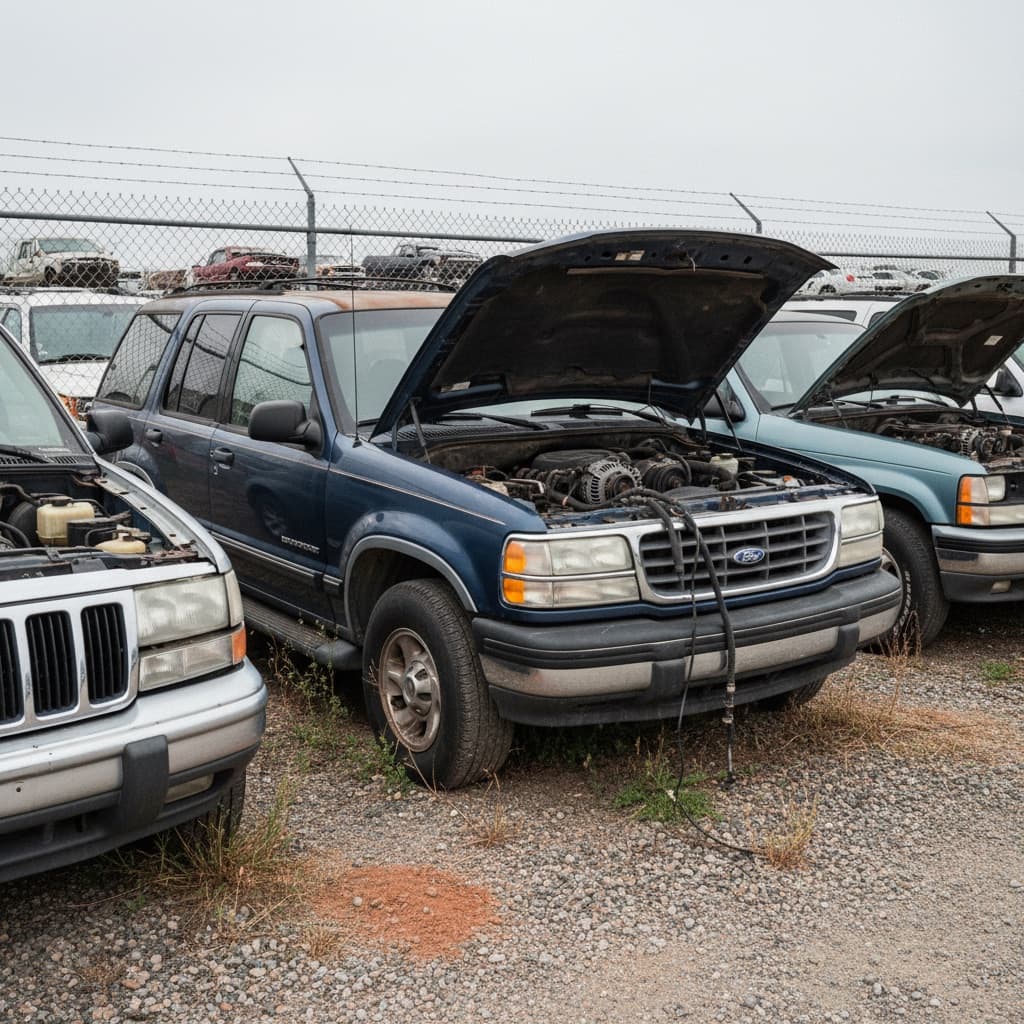
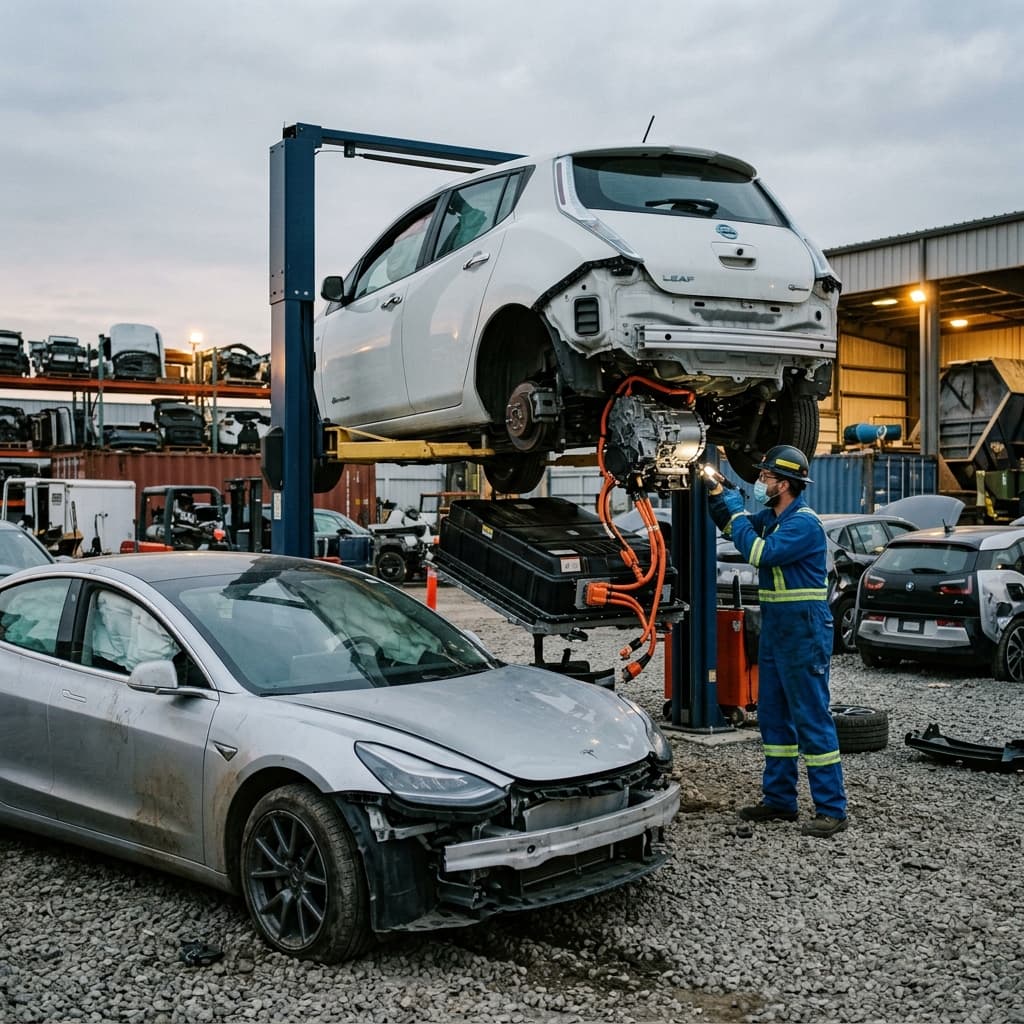
Photo by U-Pull-It
Advertisement

Direct answer: Most junkyard injuries come from rushing, poor support, sharp metal, stored energy, or fluids. Slow down and treat every donor vehicle like it can still surprise you.

Self-Service Salvage Yard Safety: Airbags, Batteries, Fuel, and Jack Stands
Self-Service Salvage Yard Safety: Airbags, Batteries, Fuel, and Jack Stands from U-Pull-It.
Video: What tools should you bring to the junkyard?

What safety rules matter most at a salvage yard?

Wear closed-toe shoes, gloves, and eye protection. Follow the yard rules. Never work under a vehicle supported only by a jack. Avoid fuel vapors, hot coolant, yellow SRS connectors, and orange hybrid or EV cables unless you are trained for that system.

  • Do not crawl under unstable vehicles
  • Never probe yellow airbag connectors with a test light
  • Do not open hot cooling systems
  • Stay away from damaged hybrid or EV high-voltage cables
  • Clean spills and keep tools organized

How should you handle airbags and SRS parts?

Airbag components can deploy with force. Disconnect the battery on your own vehicle before installation, wait for reserve power to discharge, and never apply power to an airbag inflator. If you are not trained, have an experienced technician handle SRS work.

What about batteries, fuel, and hybrids?

Batteries can short, fuel vapors can ignite, and high-voltage systems can be lethal. Do not cut into fuel tanks, do not create sparks near fuel lines, and do not touch orange high-voltage wiring in hybrid or EV vehicles.

Advertisement

Field checklist

  1. Step 1: Read the yard rules before entering
  2. Step 2: Put on eye protection and gloves
  3. Step 3: Check the donor vehicle position before pulling
  4. Step 4: Identify SRS, fuel, and high-voltage risks
  5. Step 5: Stop if the part requires unsafe force or unknown electrical work

Where to go next

Use the U-Pull-It junkyard directory to compare local yards, check inventory before you drive, and use used parts search when a local donor vehicle is not available.

Frequently asked questions

Can I work under a junkyard car?

Only if the yard allows it and the vehicle is supported by the yard-approved system. Never trust a loose jack or unstable support.

Are hybrid and EV parts safe to pull?

Low-voltage trim and body parts may be fine, but orange high-voltage cables and HV battery components are not DIY parts unless you are trained and equipped.

Can I test electrical parts in the yard?

Many small motors and switches can be tested with the right tools, but never test SRS parts, fuel parts, or high-voltage components casually.

Advertisement

Related Articles

Leave a Comment