A U Pull It junkyard is a self-service auto salvage yard. You walk the lot, find a vehicle like yours, and remove the used part yourself with your own tools. Because you supply the labor, the part costs less than it would at a full-service yard or a parts counter. The same kind of yard is also called you pull it, u-pull, pick and pull, or pick-n-pull.
U Pull It is a common business name, not one company. Dozens of unrelated yards use it, from Nebraska to Florida. See every U Pull It location in our directory, listed by state with hours, ratings and phone numbers.
How a U Pull It yard works
- Check before you drive. Look up the yard's inventory if it publishes one, or call and ask whether it has your year, make and model. Cars come and go every day.
- Pay the entry fee. Most self-service yards charge a small admission fee at the gate. Many ask you to sign a waiver and will look through your toolbox on the way in and out.
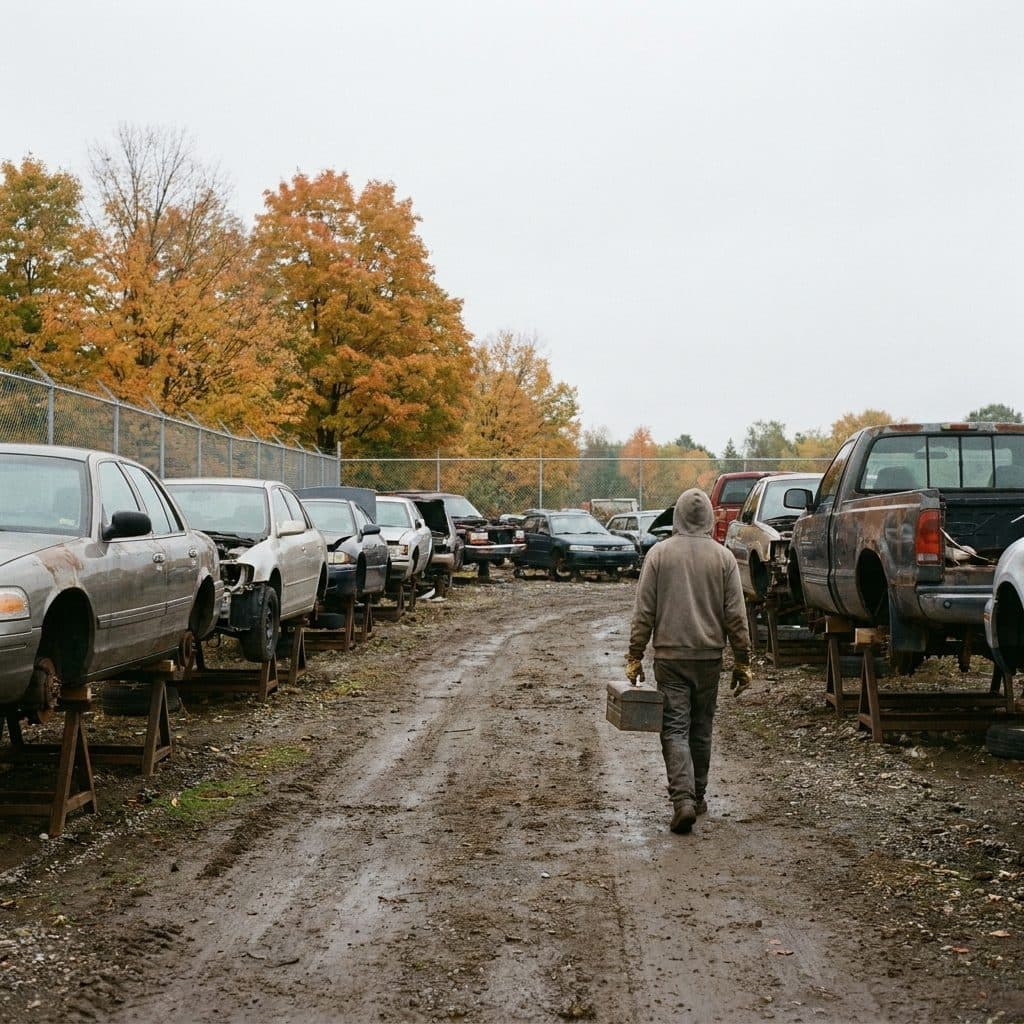
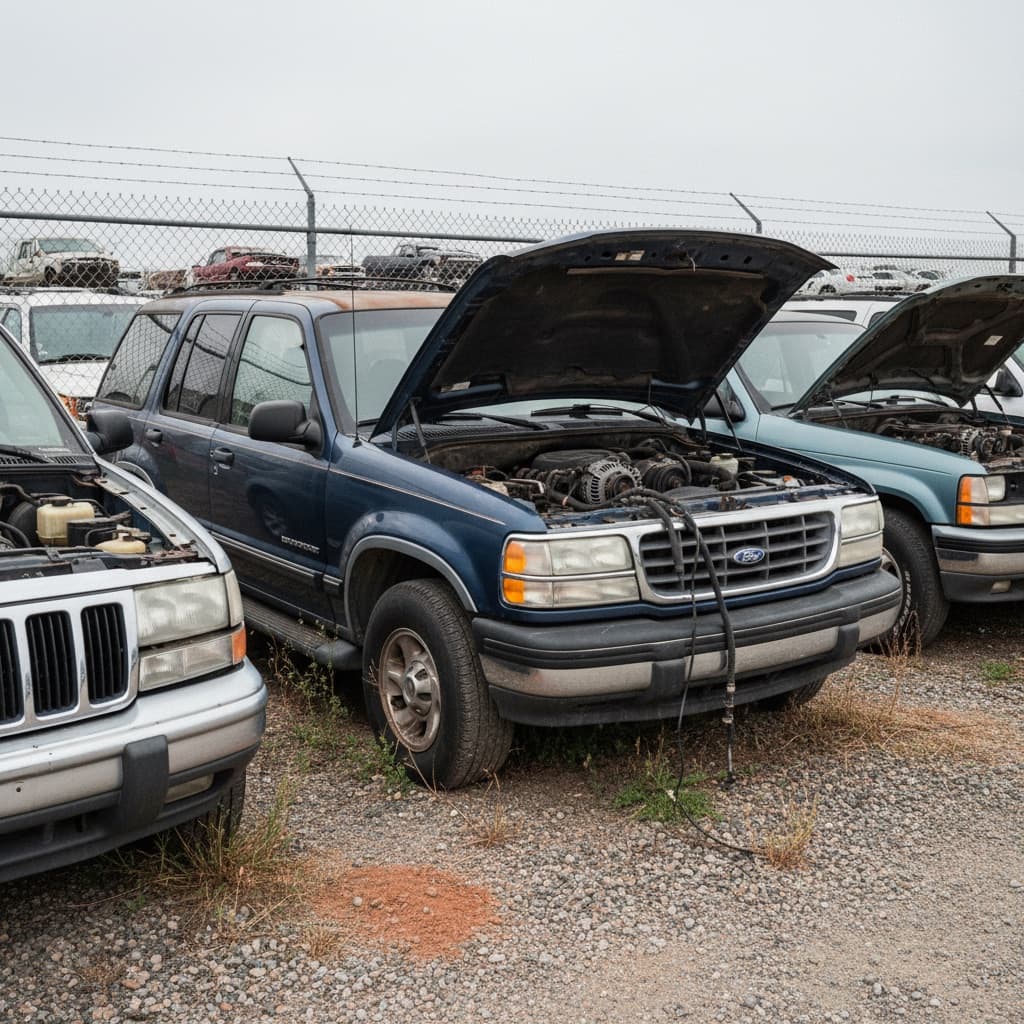
- Find the vehicle. Cars sit in rows, usually grouped by manufacturer, and raised on stands so you can get underneath. Staff can point you to the right section.
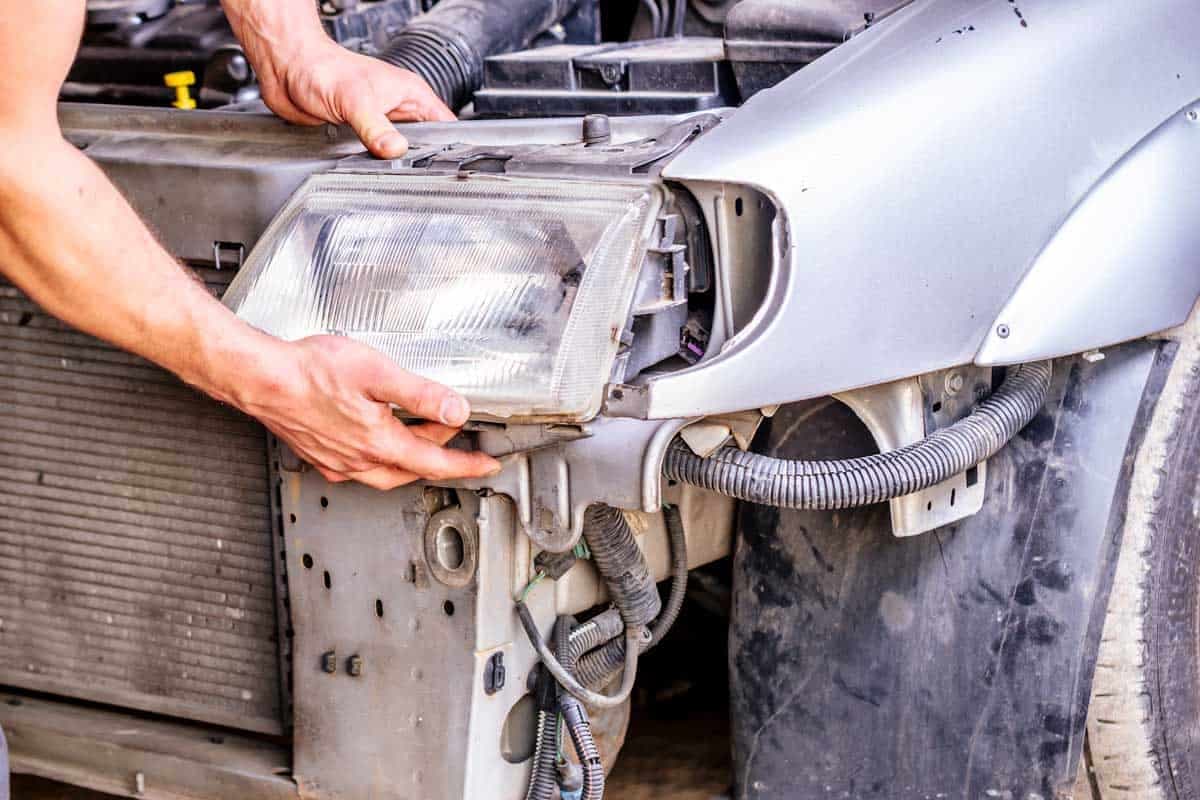
- Pull the part. You do the removal. Take your time, keep the fasteners, and look the part over before you carry it to the counter.
- Pay by part type. The yard charges a set price for each kind of part. An alternator costs the same whether it came from a sedan or a truck.
What to bring
- A socket set, wrenches, screwdrivers and pliers
- A breaker bar and penetrating oil for rusted bolts
- Gloves, safety glasses and closed-toe shoes
- A battery-powered impact or ratchet, if the yard allows it
- Water, and a wagon or cart for heavy parts
Ask the yard which tools it allows. Torches, grinders and jacks are usually banned, because the cars are already on stands and open flames are a fire risk. Our list of tools to bring to a U Pull It yard goes into more detail.
How pricing works
Every yard posts its own price list, and the lists differ, even between yards with nearly the same name. Four things make up what you pay:
- The part price, set by part type
- The entry fee, charged per person
- A core charge on some parts such as alternators, starters and batteries, refunded when you bring back your old one
- Sales tax and, at some yards, an environmental fee
Add those up before you compare a used part with a new or remanufactured one. Our guide to what a junkyard part really costs walks through dated examples from real yard price lists.
Returns and warranties
Self-service parts are usually sold as-is. Some yards offer a short exchange period or sell an optional warranty at the counter, and the terms vary by yard. Ask before you pay, keep your receipt, and leave the yard's paint mark on the part, since many yards will not take a part back without it. If a part fails, this guide to U Pull It return policies explains your options.