Published: April 28, 2026
· By U-Pull-It.com Editorial Team
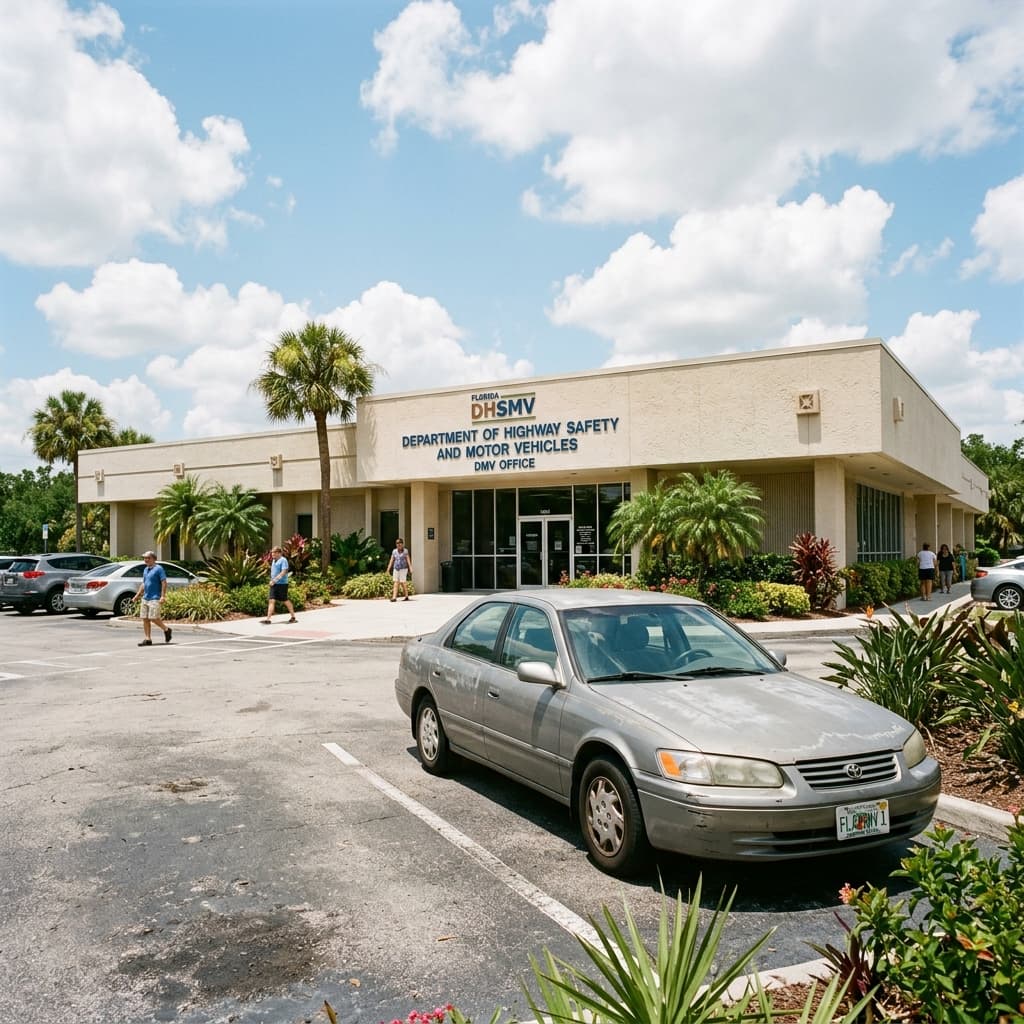
To junk a car in Florida, you need the signed title, a valid photo ID, and you should file a Notice of Sale (HSMV 82050) with the Department of Highway Safety and Motor Vehicles. If you have lost the title, Florida gives you two options: apply for a duplicate using HSMV 82101 ($75.25), or have a licensed salvage dealer process the vehicle as derelict. Either way, only deal with licensed salvage motor vehicle dealers to stay legal.
The paperwork you need (with title)
⚠️ Florida junk car paperwork checklist
- Florida Certificate of Title: Signed by all registered owners on the back, exactly as names appear on the front
- Valid Florida ID: Driver's license or state-issued ID card
- Notice of Sale (HSMV 82050): File this with the FLHSMV after selling. This tells the state you no longer own the vehicle and protects you from tickets, tolls, and abandoned vehicle fees
- Lien release: If there is a lienholder on the title, you need a lien release letter from the lender
- License plate: Remove the plate. In Florida, plates belong to the owner and can be transferred to a new vehicle or surrendered at a tag agency
No title? Here are your two options
Option 1: Get a duplicate title (HSMV 82101)
If you are the registered owner, you can apply for a duplicate title at your county tax collector's office:
- Complete Form HSMV 82101 (Application for Duplicate Certificate of Title)
- Bring a valid Florida ID
- Fee: $75.25 (as of 2026)
- Processing: same day in person at most tax collector offices
Option 2: Derelict Motor Vehicle Certificate
If you cannot get a duplicate title (lost registration, inherited vehicle, abandoned car on your property), many licensed Florida salvage dealers can process the vehicle as "derelict":
- The dealer completes a Derelict Motor Vehicle Certificate application
- You provide a valid photo ID (the dealer keeps a copy)
- Some dealers require a thumbprint
- This route is typically used for older vehicles (10+ years) and low-value cars
- The vehicle can only be scrapped — it cannot be retitled or driven again
💡 Which option is better?
If you can get a duplicate title, do it. The $75.25 fee is worth it because most salvage yards pay $50–$150 more for a car with a clean title vs. a derelict certificate. You also get a cleaner paper trail that protects you legally.
Florida-specific considerations
No smog check required
Florida does not have a statewide vehicle emissions or smog check program. You never need a smog certificate to sell a vehicle in Florida, regardless of whether it is going to a salvage yard or a private buyer.
Florida salvage title rules
| Title Type |
What It Means |
Can It Be Driven? |
| Salvage Title |
Insurance declared total loss, vehicle can be repaired |
Yes, after repairs and rebuilt inspection |
| Certificate of Destruction |
Vehicle is only good for parts or scrap |
No — permanent, cannot be retitled |
| Derelict Certificate |
No title available, processed for scrap only |
No — vehicle goes directly to crusher or parts |
Step-by-step: junking your car in Florida
- Locate your title. Check the glovebox, your filing cabinet, or your county tax collector's online records. If lost, apply for a duplicate (HSMV 82101, $75.25).
- Get 2–3 quotes. Call local salvage yards, try online cash-for-cars services, and compare offers. Florida pricing varies by $200+ between Miami, Tampa, and Jacksonville.
- Verify the buyer is licensed. Florida law (Chapter 319) requires salvage dealers to hold a valid license. Ask for their license number.
- Remove personal belongings and plates. Check the glovebox, trunk, under seats. Remove the license plate — it stays with you. See our what to remove guide.
- Sign the title and hand it to the buyer. All registered owners must sign.
- File Notice of Sale (HSMV 82050). Do this online at flhsmv.gov or at your local tax collector's office. This protects you from tickets and tolls.
- Cancel your insurance. Call your insurer the same day. Get written confirmation.
Ready to junk your car in Florida?
Get a quote based on current Florida scrap prices. Free towing statewide, paid on the spot.
Get a Free Florida Quote
What paperwork do I need to junk a car in Florida?
You need the Florida Certificate of Title signed by the registered owner, a valid Florida driver's license or state-issued ID, and you should file a Notice of Sale (HSMV 82050) with the FLHSMV. If you owe money on the car, you will also need a lien release from your lender.
Can I junk a car in Florida without a title?
Yes. Apply for a duplicate title using HSMV 82101 at your county tax collector's office ($75.25 fee), or have a licensed salvage dealer process the vehicle as derelict using a Derelict Motor Vehicle Certificate. The derelict route works for older, low-value vehicles.
How much do Florida junkyards pay for cars?
Florida junkyards pay $200 to $1,200 depending on weight, condition, and parts. Trucks and SUVs bring $500–$1,200. Compact cars bring $200–$500. Florida's proximity to Caribbean export markets can push prices slightly higher than the national average.
Does Florida require a smog check to junk a car?
No. Florida has no statewide vehicle emissions or smog check program. You never need a smog certificate to sell a vehicle in Florida.
About this guide: Written by the U-Pull-It.com Editorial Team. Information reflects Florida DHSMV regulations as of April 2026. Laws change — verify current requirements at flhsmv.gov.