Published: April 28, 2026
· By U-Pull-It.com Editorial Team
When your insurance company "totals" your car, it means the cost to repair the damage exceeds a percentage (usually 70-80%) of the car's market value. Instead of paying for repairs, the insurer pays you the car's actual cash value (ACV) minus your deductible. You then have a choice: accept the payout and surrender the car, negotiate for more money, or keep the car with a salvage title and repair it yourself.
How the total loss process works (step by step)
- You file a claim. After an accident, you report it to your insurer.
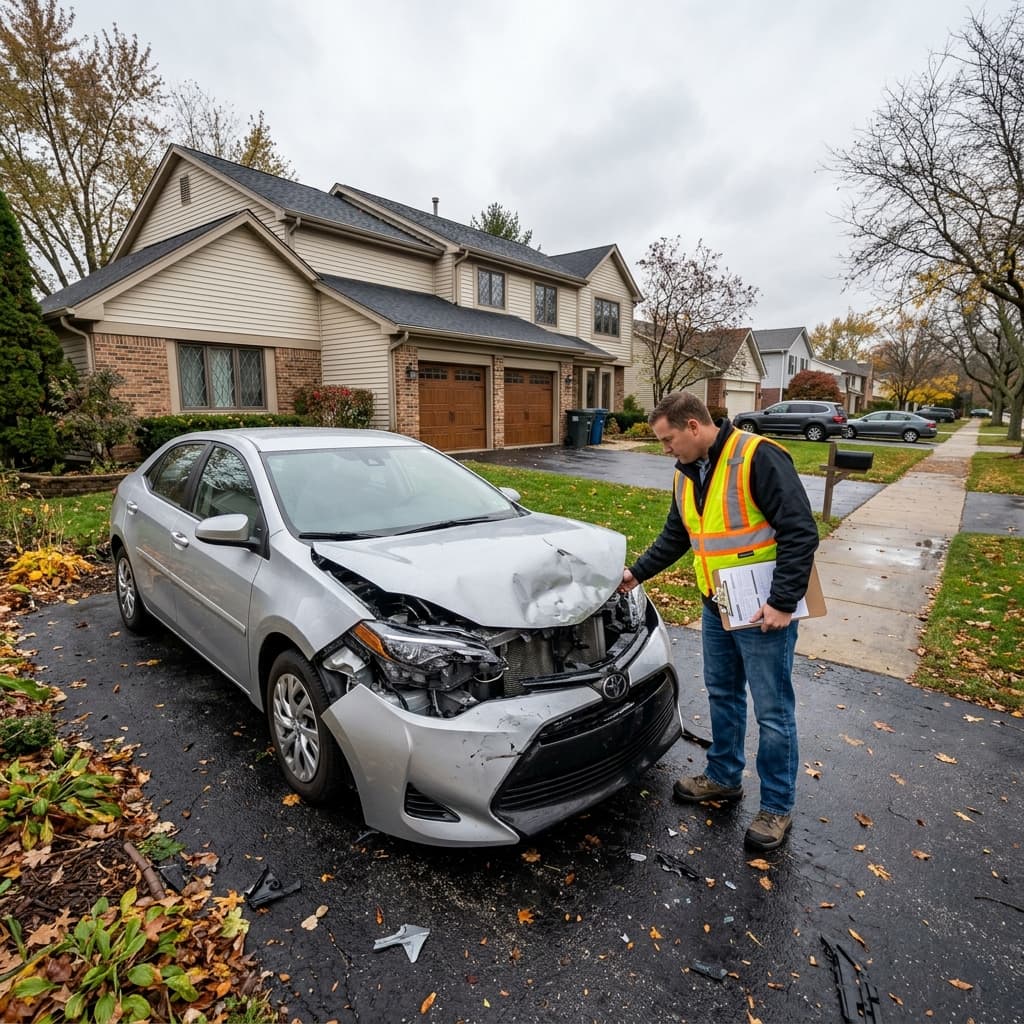
- An adjuster inspects the vehicle. They photograph the damage and get repair estimates.
- The insurer determines your car's ACV. They use tools like CCC ONE, Mitchell, or Audatex to calculate your car's pre-accident market value based on year, make, model, mileage, condition, and local comparable sales.
- They compare repair cost to ACV. If repairs exceed the state's total loss threshold (typically 70-80% of ACV), the car is declared a total loss.
- You receive a payout offer. The offer is ACV minus your deductible. If you still owe money on the car, the check goes to your lender first.
- You accept, negotiate, or keep the car.
Total loss thresholds by state
| Threshold |
States |
| 75% |
California, Florida, Georgia, Illinois, Indiana, Louisiana, Michigan, New Jersey, Ohio, Pennsylvania, Virginia |
| 80% |
Arizona, Colorado, Kentucky, Maryland, Massachusetts, Minnesota, Nevada, North Carolina, Oregon, Washington |
| 70% or lower |
Iowa (50%), New York (75%), Texas (100% — total loss formula), Alabama, Kansas, Missouri, Oklahoma |
Texas uses a unique "total loss formula" where the car is totaled if repair costs plus the salvage value exceed the ACV. This means Texas cars can technically be totaled at a lower damage percentage than other states.
How to negotiate a higher payout
The first offer from your insurance company is rarely the best one. Here is how to push for a fair price:
- Research your car's value before the adjuster calls. Check KBB, Edmunds, and NADA for your specific year, make, model, trim, and mileage.
- Find comparable listings in your area. Search Autotrader, Cars.com, and Facebook Marketplace for similar vehicles within 50 miles. Screenshot the listings.
- Document recent maintenance. New tires, brakes, battery, transmission work — anything with receipts that proves the car was worth more than average.
- Submit a written counter-offer. Put together a packet with your comparable listings, maintenance receipts, and the value you believe is fair. Send it to the adjuster by email so there is a paper trail.
- Hire an independent appraiser if needed. For $150–$300, an independent auto appraiser will give you a professional valuation you can use as leverage. Most states allow you to invoke an "appraisal clause" in your policy if you and the insurer cannot agree.
Average negotiation bump: Policyholders who negotiate their total loss payout typically receive 10-25% more than the initial offer. On a $10,000 car, that is $1,000 to $2,500 extra — well worth the effort.
Option 1: Accept the payout and surrender the car
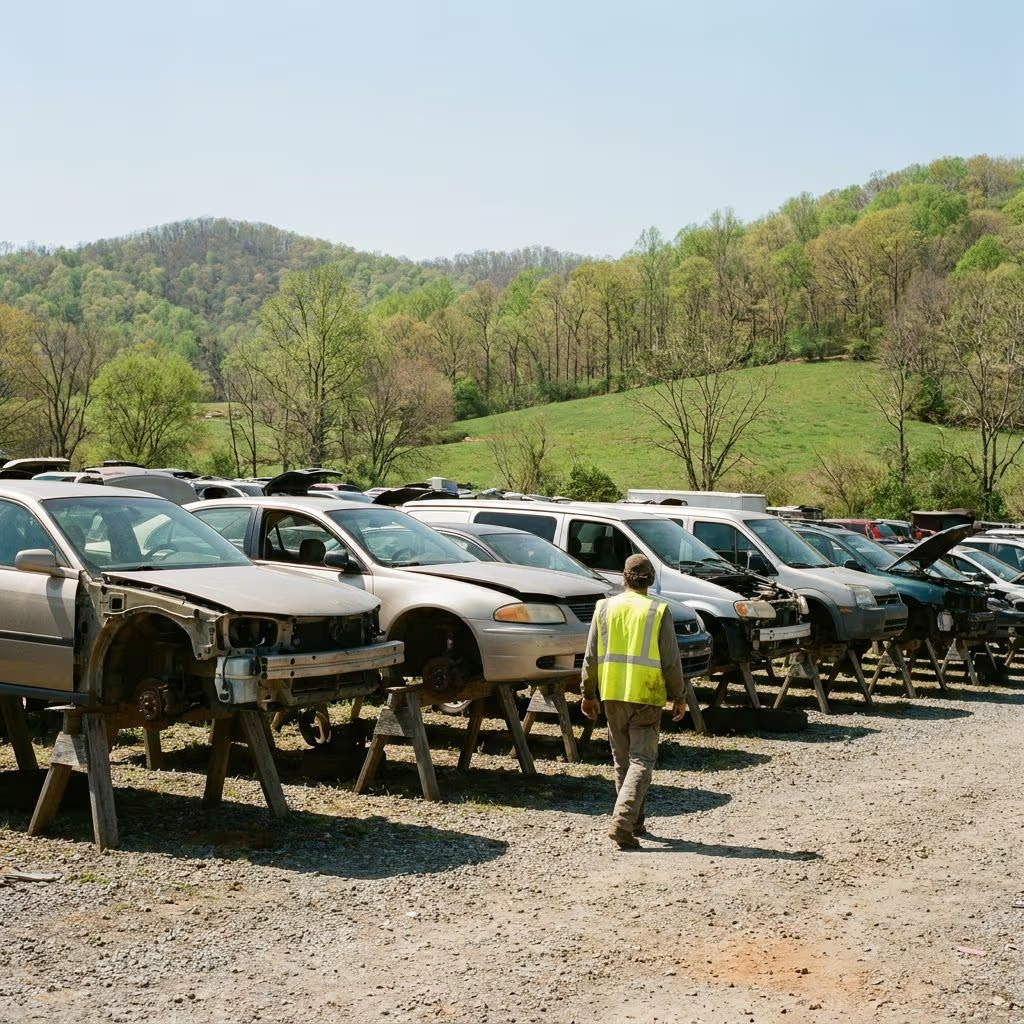
This is the simplest path. The insurer pays you the ACV minus your deductible, they take possession of the vehicle, and you use the money toward a replacement car. The insurer then sells the salvage vehicle at auction (typically through Copart or IAA) to recover some of their loss.
Option 2: Keep the car (owner-retained salvage)
In most states, you can keep the totaled vehicle. The math changes:
Your payout = ACV - deductible - salvage value
The "salvage value" is what the insurer estimates they would get by selling the wreck at auction. This deduction is usually $500–$3,000 depending on the car.
⚠️ What happens to the title if you keep the car
The title is converted to a salvage title. You cannot legally drive a salvage-titled vehicle on public roads until it is repaired, inspected (in most states), and retitled as "rebuilt". A rebuilt title permanently reduces the car's resale value by 20-40%. Read our full salvage title selling guide for details.
What if you owe more than the car is worth?
If your loan balance exceeds the ACV (you are "upside down" or "underwater"), the insurance payout goes directly to your lender, and you still owe the difference. This is where gap insurance matters:
- With gap insurance: The gap policy covers the difference between the ACV and your remaining loan balance. You walk away owing nothing.
- Without gap insurance: You owe the remaining balance to the lender, even though you no longer have a car. This can be thousands of dollars.
What to do with a totaled car the insurer does not want
In some cases (older cars, liability-only policies, or minor accidents on cheap cars), the insurance company will not declare a total loss or will not take the car. You are left with a damaged vehicle. Your options:
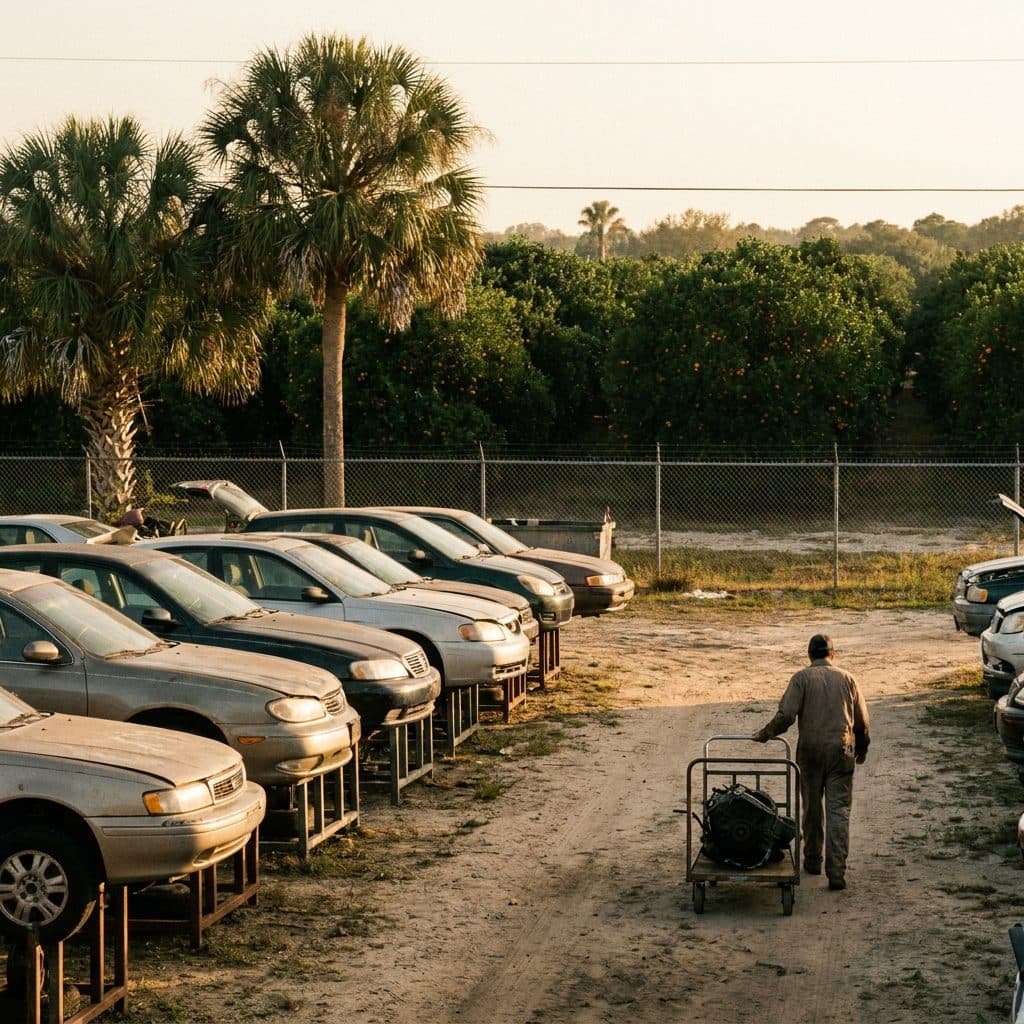
- Sell it to a junkyard as-is. Salvage yards buy damaged cars based on weight and parts value. A totaled car with a running engine and intact cat is still worth $300–$1,000. Get a quote here.
- Part it out yourself. If you have the time and skills, parting out can yield 2-3x what a yard will pay. Check our DIY salvage guide.
- Fix it and keep driving. If the damage is cosmetic and the car is mechanically sound, you may save money by driving it as-is.
Insurance totaled your car? Get a cash offer.
We buy totaled and salvage-title vehicles. Get an instant quote based on your car's weight, parts, and current market. Free towing.
Get Your Instant Offer
What does it mean when insurance totals your car?
The repair cost exceeds a percentage (usually 70-80%) of the car's market value. Instead of paying for repairs, the insurer pays you the actual cash value (ACV) minus your deductible. You then decide whether to accept, negotiate, or keep the car with a salvage title.
Can I keep my car after insurance totals it?
Yes, in most states. The insurer pays you the ACV minus your deductible and minus the salvage value. The title converts to a salvage title. You handle all repairs, and the car must pass inspection before it can be driven legally again.
How do I negotiate a higher total loss payout?
Research your car's value on KBB, Edmunds, and NADA. Find comparable listings in your area. Document recent maintenance with receipts. Submit a written counter-offer with evidence. You can hire an independent appraiser ($150-$300) for additional leverage.
What if I owe more than the insurance payout?
If your loan balance exceeds the ACV, you owe the lender the difference. Gap insurance covers this gap. Without it, you are responsible for the remaining balance even though the car is gone.
About this guide: Written by the U-Pull-It.com Editorial Team. Total loss thresholds and procedures vary by state and insurer. Consult your policy and a local attorney for specific guidance.