Junkyard Goldmine: How to Read a Donor Vehicle's History Like a Pro
The cars that look the worst are often the best donors. Learn how to read crash damage, oil color, VIN history, and maintenance records to find high-quality OEM parts — and avoid the duds that will fail on your car two weeks later.
Article image
Published: March 4, 2026
·
Updated: March 4, 2026
· By U-Pull-It.com Parts Team
Every car in a salvage yard has a story. A few are tragedies of neglect. But a lot of them — especially the ones with buckled rear quarters, deployed airbags, and clean engine bays — were perfectly maintained until one bad afternoon on the highway sent them to the yard. Those are the gold ones. Here's how to spot them fast.
Walking in without a plan is how you end up with a "new" alternator that dies two weeks later. The DIYers who walk out with winners aren't luckier — they just know how to read the car before they touch a wrench.
1. Read the crash first — before the part
Before you walk toward the car you're after, stop 10 feet away and assess the damage. The crash pattern tells you which systems survived intact. This one habit will save you more money than any tool you own.
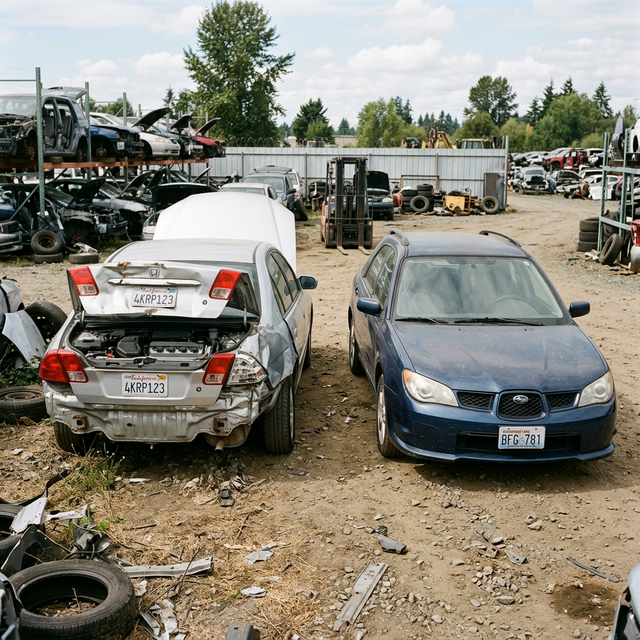
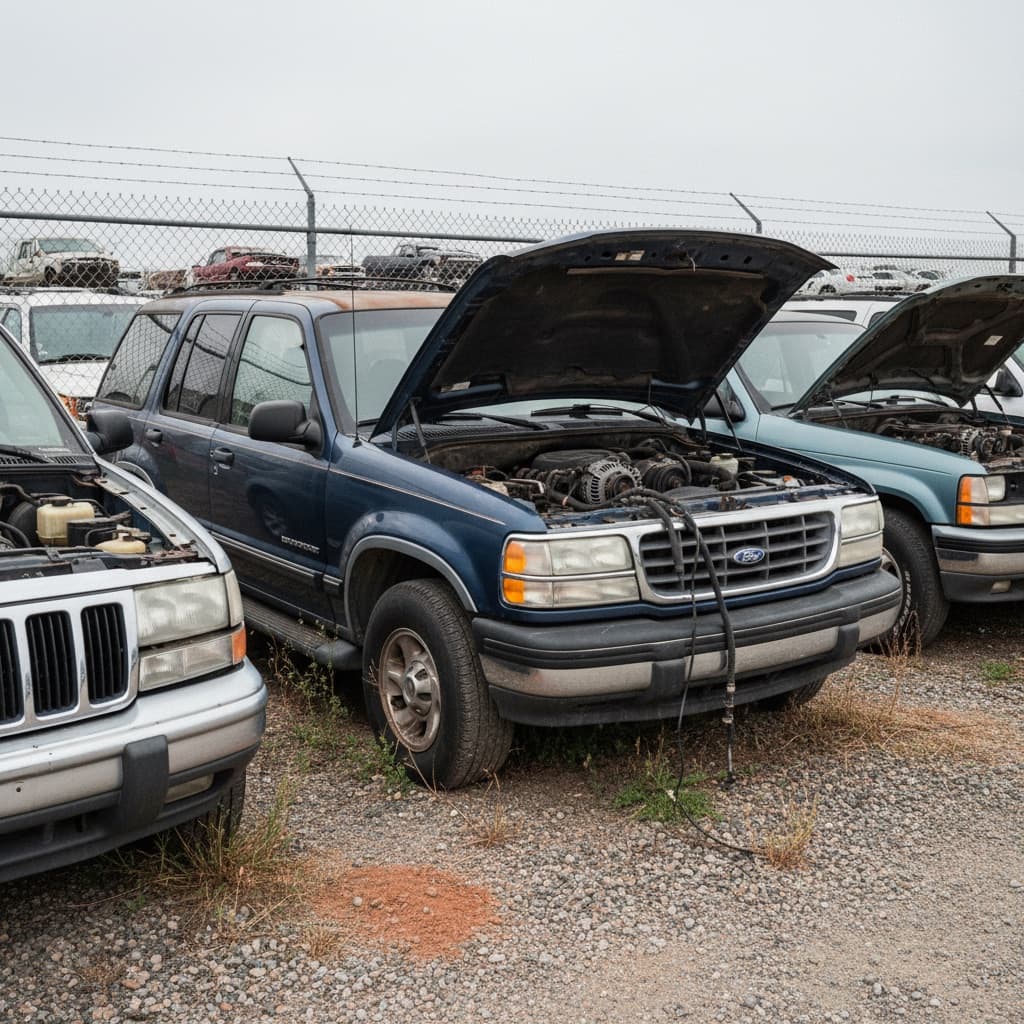
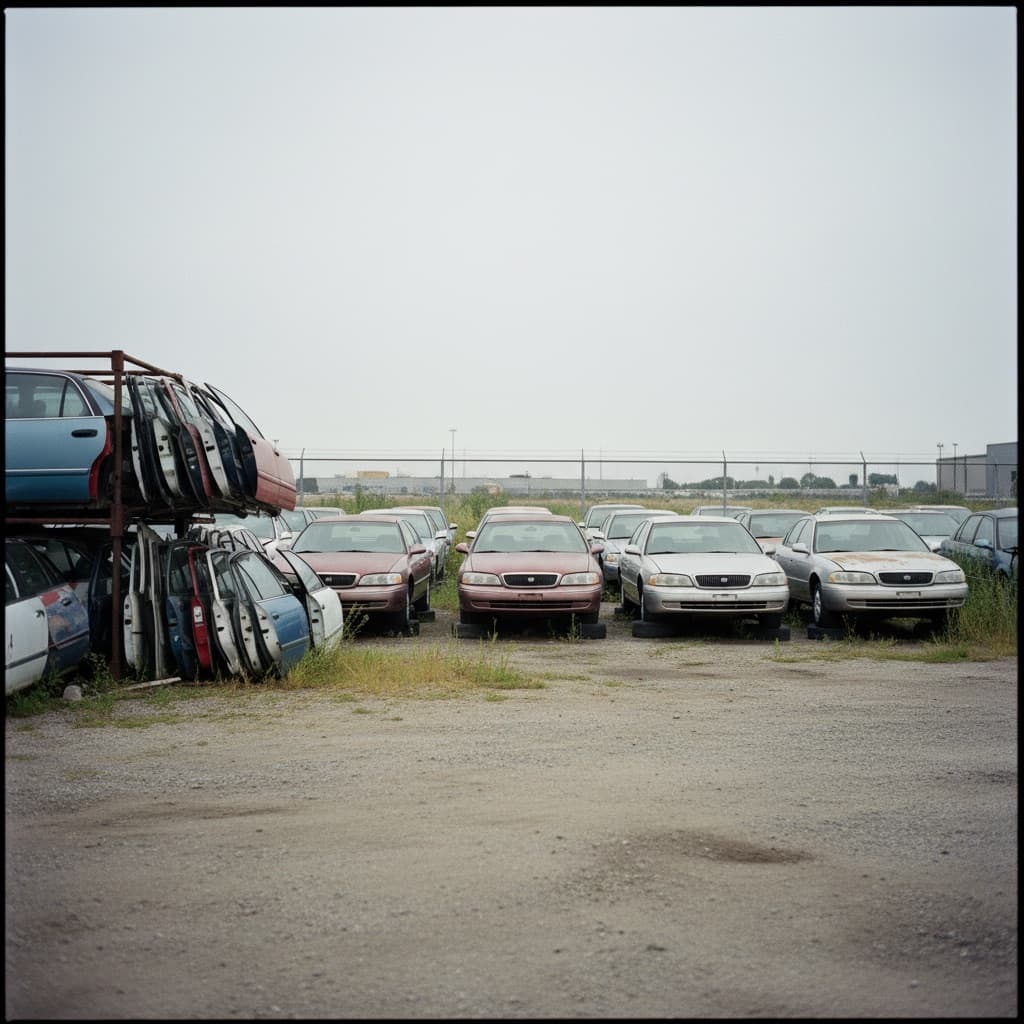
Left: rear damage only — engine bay was intact at impact, great donor. Right: zero body damage — likely a mechanical failure victim. The clean car is the suspicious one.
Green flags: cars worth pulling from
Severe rear-end collision only.
The engine, transmission, cooling system, and front suspension were likely running fine at the moment of impact. Everything up front is fair game.
Passenger-side T-bone impact.
Driver-side doors, mirror, glass, and interior are typically untouched — great for body parts and interior pieces.
Deployed airbags.
Counterintuitively, this is a positive sign. Airbags deploy at speed — the car was running and driving when it crashed. Not a breakdown victim.
Clean, dry interior.
No musty smell, no waterline on the door cards. No flood damage, no corrosion hiding inside every connector and module.
Fresh oil change sticker on the windshield or oil cap.
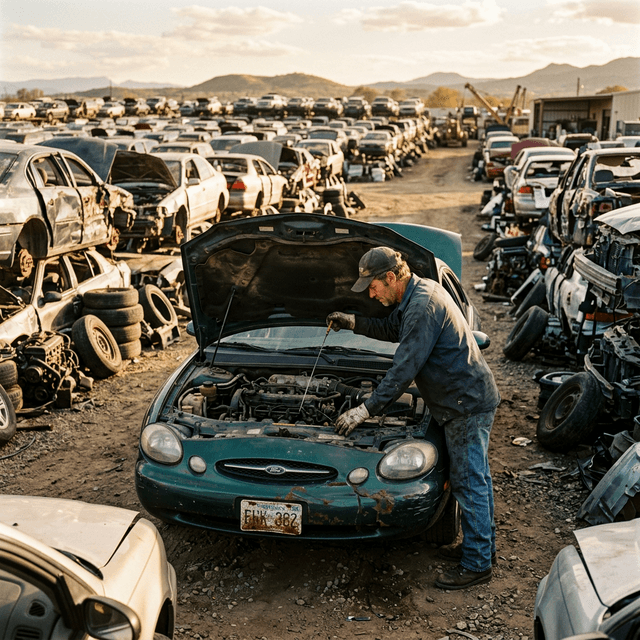
A recent service date from a recognizable shop tells you someone was maintaining this car. Check the dipstick too — amber or golden oil confirms it.
Car recently arrived in the yard (still has fluids).
Parts from a car baking for two years in the sun degrade fast. Fresh inventory is higher quality.
Red flags: donors to skip
Zero body damage, but it's in the yard.
If the car looks perfect, it's here because it died mechanically — blown head gasket, seized engine, failed transmission, or electrical nightmare. Avoid drivetrain parts unless you verify fluids on-site.
Fire damage anywhere.
Heat compromises wiring insulation, connector terminals, and every module on the car. Do not buy electrical components from a fire car.
Flood line on interior trim or musty carpet smell.
Corrosion sits inside every connector. Sensors and modules from flood cars fail within months, often without warning.
Cut wiring harnesses.
Someone already harvested the electronics. The remaining parts lose most of their value once harnesses are cut.
Milky, frothy oil on the dipstick.
Coolant mixed with engine oil — blown head gasket signature. The engine likely overheated hard before it died.
Sludge inside the valve cover.
Heavy black buildup means thousands of miles past oil change intervals. That abuse shows up in bearings and rings.
Missing VIN plate.
Removed VIN plates raise the question of a stolen vehicle. Report it to the yard manager. Don't buy from that car.
⚠️ Safety check before you get near any vehicle
Make sure the donor car is stable on its stands before crawling underneath.
Never go under a car that looks tilted, shifted, or sitting on uneven ground.
Wear safety glasses whenever working in an engine bay — fluids splash and debris falls without warning.
2. What to bring to the yard
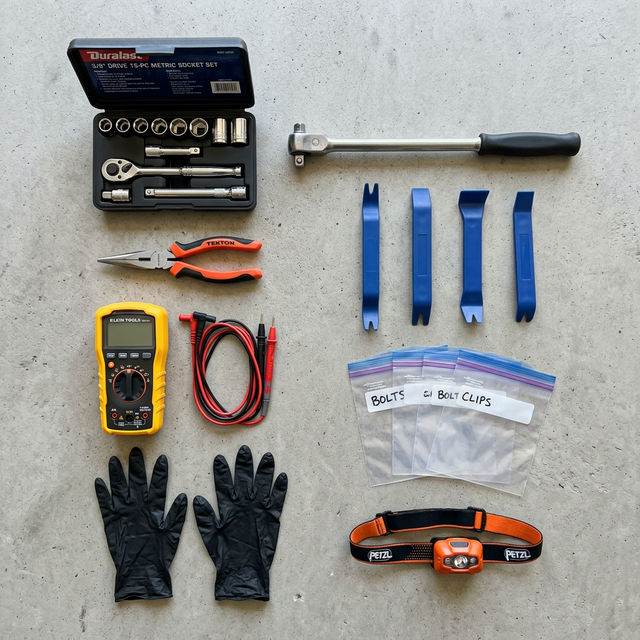
The go-bag. The multimeter and jump starter at bottom-left are the difference between a smart pull and an expensive mistake.
A U-Pull yard is exactly what it sounds like — you do the work. The right bag saves you two trips and lets you test parts before you pay for them.
3/8" drive ratchet with metric and SAE sockets (8mm–19mm)
covers 90% of under-hood work
Breaker bar
for rusted fasteners that a ratchet will round
Torx set (T20–T55)
essential on any modern vehicle and anything European
Plastic pry tools
$8 and saves you from broken clips that cost $40 to replace
Zip-lock bags and a permanent marker
label fasteners as you pull them
Nitrile gloves
bring extras, they tear
PB Blaster or Kroil
apply to rusted bolts 10 minutes before you try to break them loose
12V portable jump starter
test power windows, fans, seat motors, and any electric component right at the car before you pay
Digital multimeter
test sensors and actuators for continuity. An O2 sensor that reads open circuit is junk. Takes 30 seconds to check.
Phone camera
photograph the part in place before removal. Proves condition at time of purchase for return disputes.
Pro tip: The 9V seat hack. Found a perfect set of power leather seats but the car has no battery? Bring a 9V battery and two short jumper wires. Touch them to the seat motor connector pins and the tracks will move so you can reach the mounting bolts. Saves real time on every seat pull.
3. Quick inspection by part type
The 60-second check for each category. Do these before you pick up your wrench.
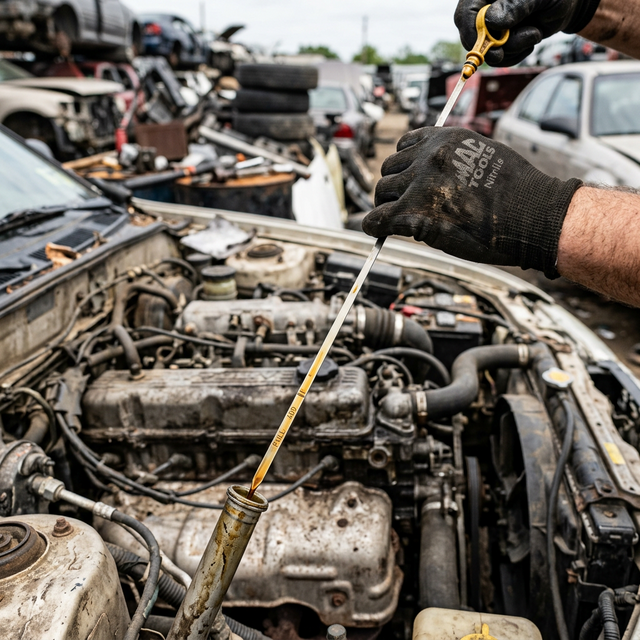
Golden amber oil on the dipstick. This is the color you want. Milky or frothy means walk away from everything in that engine.
What to check — good sign vs. reject immediately
Part
Good sign
Reject if you see this
Engine / long block
Amber oil, clean valve cover, smooth bore walls (check with flashlight through spark plug holes)
Milky oil, heavy sludge, coolant crust on block exterior, cylinder scoring visible
Transmission (auto)
Fluid is pink or red, doesn't smell burnt, no metal shavings, case has no cracks
Dark brown or black fluid with a burnt smell, any metal debris in fluid
Alternator
Pulley spins with slight magnetic resistance, bearings are quiet and smooth, no corrosion on the output terminal
Grinding or rough pulley, cracked case, corroded connectors
Starter
Solenoid clicks and engages, pinion gear spins freely and powerfully (test with jump starter)
Weak spin, solenoid doesn't engage, burnt smell
Radiator
Fins are not crushed, end tanks have no cracks, no green or orange deposits at seams
Fins flattened more than 30%, white residue at plastic tanks (electrolysis damage)
Suspension
Rubber bushings are soft and pliable, no play in the ball joint when you grab and wiggle, strut shaft dry
Cracked or crumbled bushings, oily strut shaft (blown), ball joint boot is torn
Sensors / ECU / modules
Connector pins are clean and gold-colored, no water staining inside the connector housing
Green corrosion on connector pins, water staining, car came from a flood or fire
Hard rule on electrical parts from flood cars
Green corrosion on connector pins is not cosmetic. It means water sat in those circuits. Clean them all you want — the corrosion has already wicked up the signal wires inside the harness. Sensors and modules from flood vehicles are on borrowed time from the moment you install them.
4. The sister car secret (interchange)
If your exact make and model isn't in the yard that day, there's almost always a platform cousin that shares the same part. Automakers reuse components across product lines to cut manufacturing costs — and that works in your favor.
The industry uses the Hollander Interchange Manual. Every U-Pull yard runs on it. Each compatible part group gets a unique Hollander number. Give that number to the counter clerk and they can search the entire yard inventory for matching donors — including the ones you haven't found yet.
VQ35 engine (verify HR vs. DE variant), suspension, brakes
The luxury upgrade trick: Leather power seats from a Cadillac Escalade often bolt directly into a Chevy Tahoe of the same generation. Same story for Lexus ES350 seats going into a Toyota Camry. You get a luxury interior at junkyard prices — and well-maintained luxury vehicles are usually in better shape than the same-year base models.
5. Check the VIN — it takes two minutes
For engines, transmissions, and control modules, this step is non-negotiable. Ask the yard clerk for the donor vehicle's full 17-digit VIN. Then check it:
Free
vincheck.info via NMVTIS — the federal database. Shows title brands (flood, fire, salvage, theft) instantly.
Paid
Carfax or AutoCheck — full ownership history, mileage records, and service reports.
What you're looking for: a flood or fire title means skip all electrical and drivetrain parts; odometer rollback means the mileage claims are worthless; multiple salvage titles mean the car may have been rebuilt poorly and scrapped again.
Real savings from this one check: A two-minute VIN check on vincheck.info has saved customers from buying engines with a flood title that looked perfect on the outside. The failure shows up within weeks of installation — and at that point there's no recourse. Two minutes, free, on your phone.
6. Getting a better price at checkout
U-Pull yards post their prices on the board at the entry gate. That's the starting point, not the final number.
Bundle everything you pulled.
Bringing six parts to the counter? Ask what they can do on the whole bundle. Yards would rather move inventory than have you put pieces back.
Point out actual cosmetic damage.
If the alternator housing has a crack that doesn't affect function, mention it and ask for 10–15% off. Works more often than people expect.
Bring a price from Car-Part.com.
Print or screenshot a listing from another yard and show it to the clerk. Some yards will match to close the sale.
Confirm the return policy before you pay.
Most yards offer 30-day store credit on mechanical parts. Get it confirmed at the counter — many exclude ECUs and control modules.
How do I know if a junkyard part is still good?
Use the source-of-impact rule. If you need a front-end part, find a car with rear damage. Check the oil: milky oil rules out the whole engine. Test electrical components with a multimeter before you pull them — continuity and resistance readings take 30 seconds. Spin pulleys and bearings by hand for grinding. Cars with deployed airbags and recent service stickers are your best candidates.
What does a junkyard car with no body damage actually mean?
It's almost always a mechanical failure. The car looks fine on the outside because it wasn't wrecked — it was towed in. Most common: blown head gasket, seized engine, burned-out transmission, or a full electrical failure. Check the oil dipstick first. That tells you more than the body panels ever will.
What is a Hollander interchange number?
An industry-standard part identification number used by virtually every salvage yard in North America. Parts that share the same Hollander number are confirmed interchangeable. Give that number to the yard clerk and they can pull up every matching donor vehicle in their system instantly — including sections of the lot you haven't walked. Find numbers at Car-Part.com or by asking the counter staff.
Should I run a Carfax on a junkyard donor car?
Yes, for engines, transmissions, airbag modules, BCMs, and ECUs. Ask the yard for the donor's VIN, then run it on vincheck.info (free, federal NMVTIS database) or Carfax. A flood or fire title on that car means the parts have been compromised, even if they look clean. The check takes two minutes and costs nothing.
What is a core charge at a junkyard?
A refundable deposit, usually $5–$25, added to rebuildable parts like alternators, starters, and water pumps. Bring your old broken part back to the yard with the original receipt and they return the deposit. The yard collects those worn cores to sell to rebuilders. Keep your receipt and the return is straightforward.
Can I return a junkyard part if it doesn't work?
Most U-Pull yards offer 30-day exchange or store credit — but policy varies by location and part type. Electrical components are often excluded from returns, which is exactly why testing them with a multimeter before you pull is worth the extra few minutes. Always ask the counter what the return policy covers before you pay.
About this guide: Written by the U-Pull-It.com parts team based on field experience across our self-service junkyard locations. U-Pull-It is a licensed salvage facility serving DIY mechanics across Florida and surrounding states.